English
  中文简体
中文简体  Español
  русский
  Deutsch
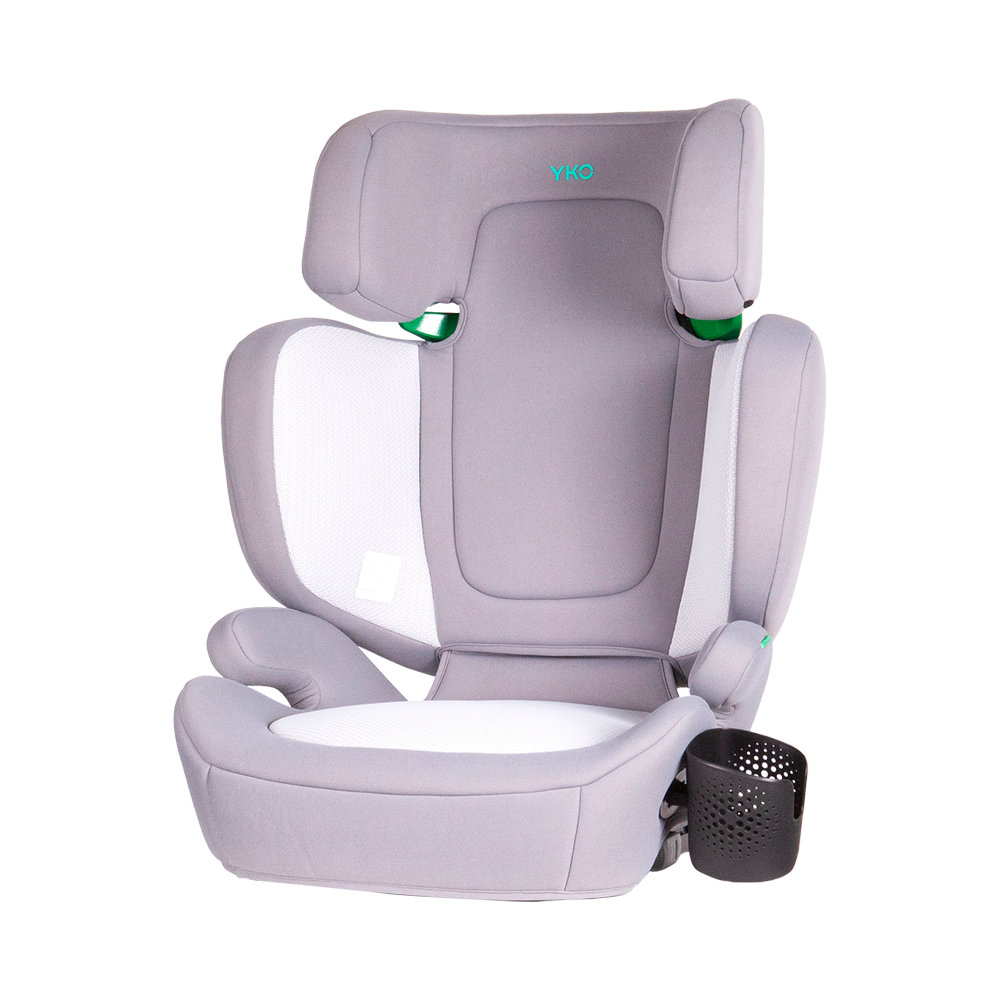
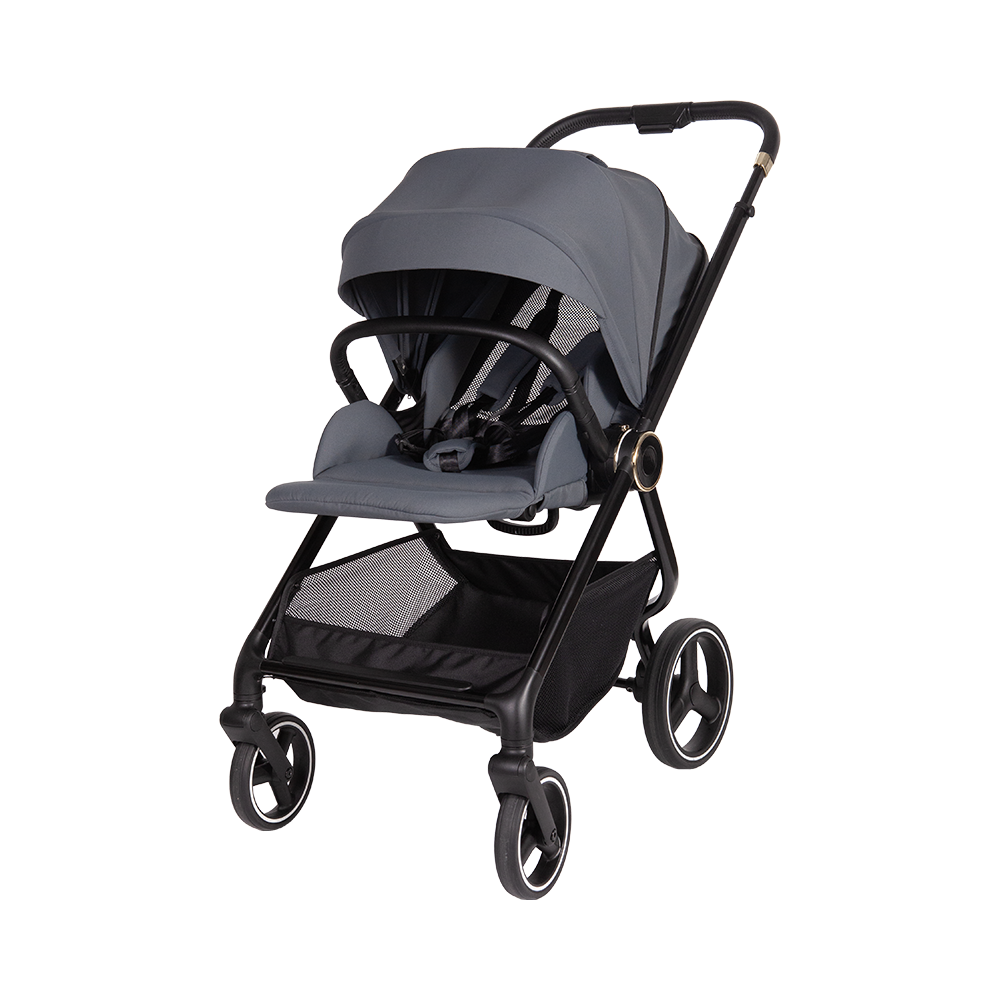
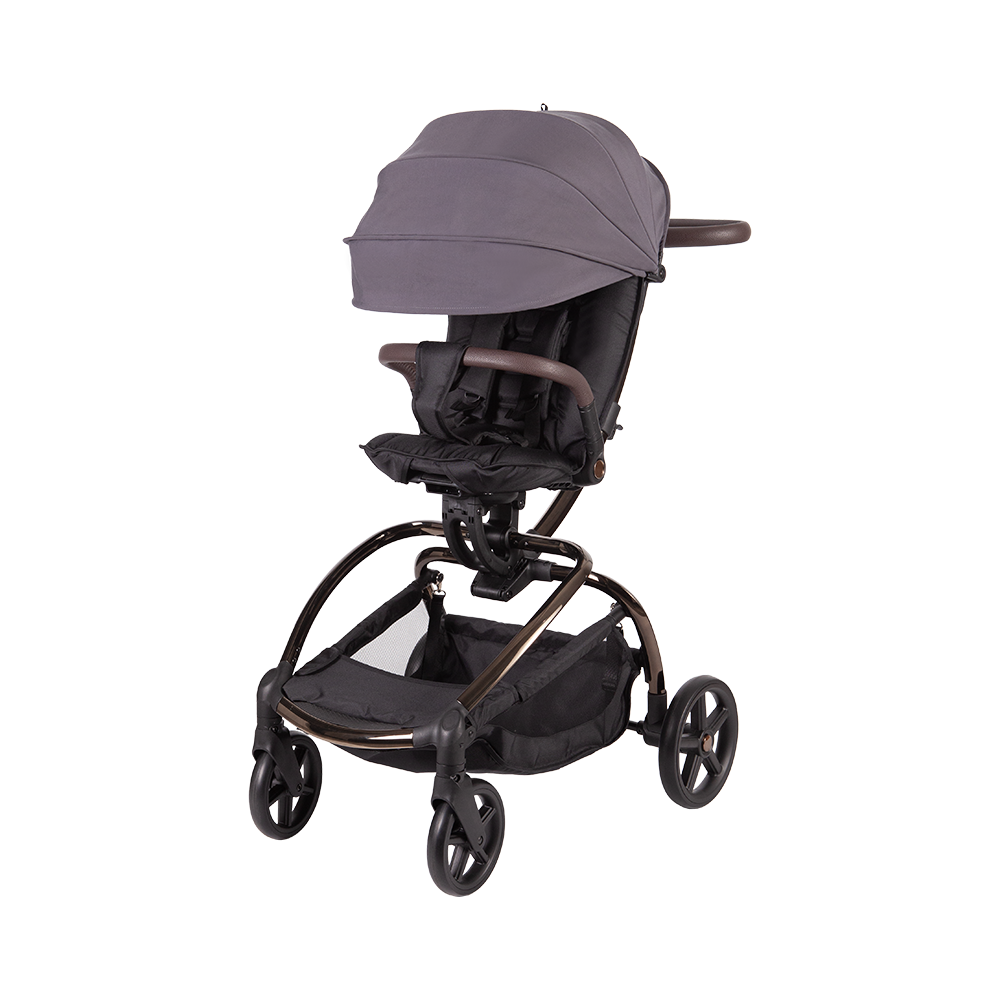
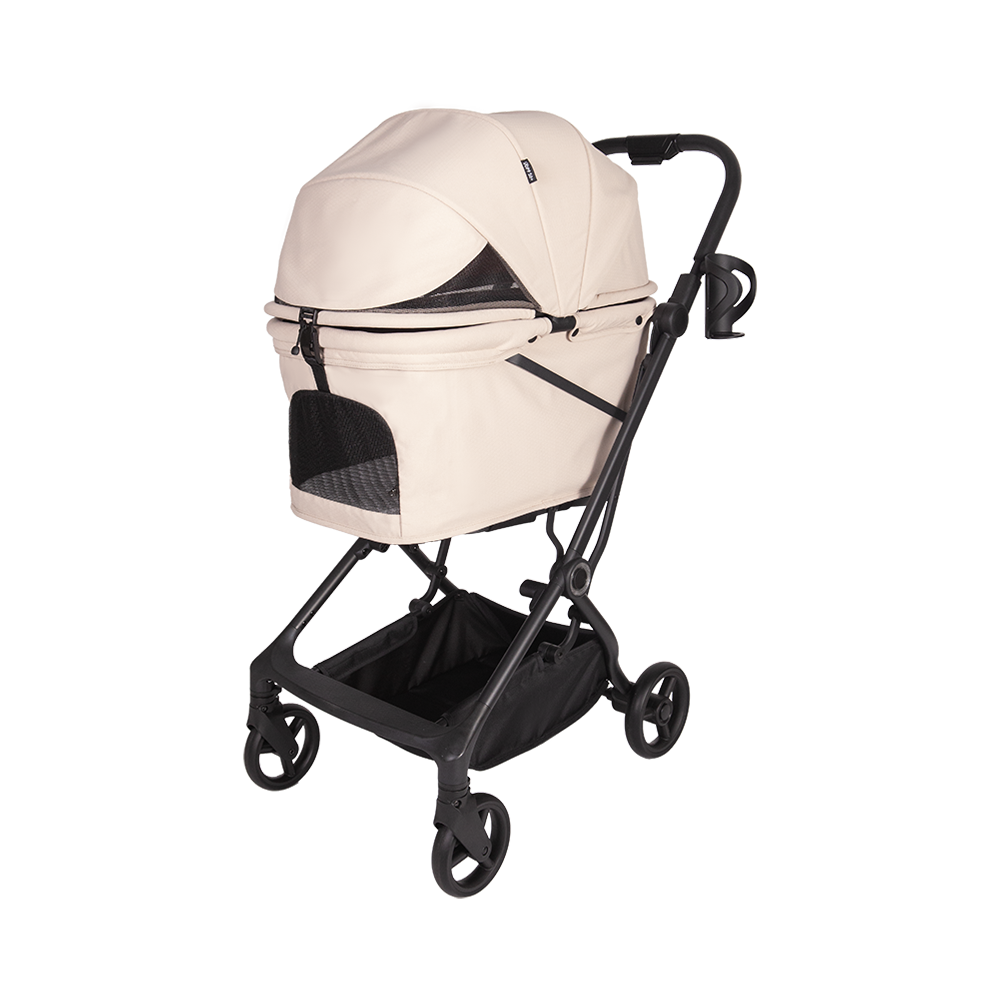
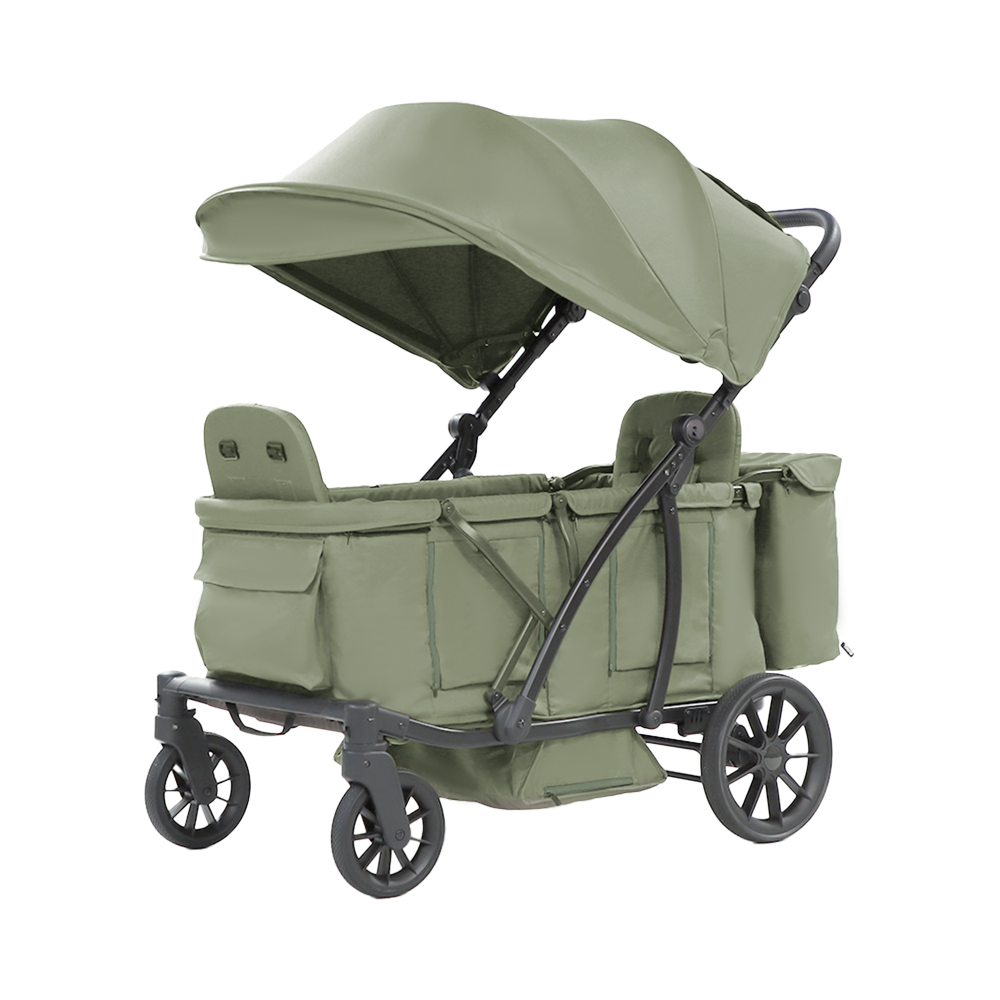


Why Are Travel System Strollers Increasingly Paired with Portable Car Seats?
Changing Consumer Expectations Are Driving Integrated Baby Travel Solutions
Parents today often expect travel products to simplify daily routines instead of requiring multiple independent items. A portable child car seat that can be transferred directly onto a compatible stroller allows caregivers to move sleeping infants without unnecessary disturbance while reducing the need to repeatedly lift the child. This practical benefit has increased demand for complete travel systems rather than individual products.
Many distributors involved in travel system stroller wholesale have observed that retailers increasingly prefer product collections capable of serving several travel scenarios. Rather than stocking unrelated models, buyers often choose coordinated systems that provide compatible accessories, matching aesthetics, and simplified purchasing decisions for consumers.
Compatibility Improves Product Value Across Multiple Scenarios
A travel system combines transportation inside a vehicle with mobility outside the vehicle. When the portable car seat can securely attach to the stroller frame, parents are able to transition between driving, walking, shopping, or airport travel with fewer adjustments. This level of compatibility extends product usability throughout everyday activities.
| Travel Situation | Role of Portable Car Seat | Role of Travel System Stroller |
| Airport Transit | Provides secure infant seating during transport | Supports convenient movement through terminals |
| Shopping Centers | Allows children to remain seated comfortably | Improves maneuverability in indoor environments |
| Daily Commuting | Transfers directly between vehicle and stroller | Reduces handling during short trips |
| Family Vacations | Suitable for vehicle transportation | Supports walking across various destinations |
Lightweight Construction Has Become an Important Purchasing Consideration
Reducing overall product weight has become an important objective throughout the baby mobility industry. Families frequently carry travel products upstairs, through airports, or into vehicle trunks, making weight reduction an important factor during product selection. Manufacturers continue to explore lightweight frame materials, optimized structural designs, and compact folding mechanisms while maintaining compliance with applicable safety regulations.
For international buyers searching for a lightweight travel stroller factory, manufacturing capability extends beyond reducing product weight. Consistent production processes, structural testing, material verification, and dimensional accuracy all contribute to reliable product performance during long-term use and international transportation.
Safety Certification Remains a Primary Consideration for Global Markets
Although convenience plays an important role, safety continues to influence purchasing decisions across Europe, Asia, South America, and many other regions. Portable car seats and compatible travel systems are expected to comply with regional regulatory requirements before entering target markets. Buyers frequently evaluate production partners based on testing procedures, quality management systems, and documentation support during procurement.
Zhenjiang YKO Child Product Co., Ltd. has built its manufacturing activities around continuous product development, combining research, production, and quality management to support customers serving different international markets. This approach helps OEM and ODM partners coordinate product planning with applicable market requirements while maintaining consistent manufacturing processes.
Integrated Design Simplifies Inventory Planning for Wholesale Buyers
From a wholesale perspective, travel systems offer inventory advantages because related products can be promoted as coordinated collections instead of separate stock keeping units. Retailers often find that matching portable car seats, stroller frames, and accessories encourage bundled purchasing while simplifying showroom presentation and online product organization.
| Wholesale Consideration | Benefit of Integrated Travel Systems |
| Product Presentation | Coordinated product collections for retailers |
| Inventory Planning | Compatible accessories reduce product mismatch |
| Sales Strategy | Supports package-based purchasing opportunities |
| Customer Service | Simplifies compatibility inquiries |
Material Selection Supports Both Durability and Environmental Objectives
As sustainability becomes increasingly relevant throughout the baby products industry, manufacturers are evaluating materials that contribute to product durability while supporting responsible production practices. High-strength polymers, aluminum alloy frames, recyclable packaging materials, and fabrics selected for long-term use all contribute to reducing unnecessary replacement frequency throughout a product's service life.
Environmental considerations also extend to manufacturing operations. Companies investing in efficient production methods and responsible material sourcing can better support customers whose procurement policies include environmental objectives alongside product performance requirements.
OEM Development Focuses on Long-Term Market Flexibility
Many international buyers no longer request standard catalog products alone. Instead, they seek travel systems that can be adapted to local market preferences through customized fabrics, branding, accessories, packaging, and structural configurations. Developing portable travel products with modular compatibility allows manufacturers to support future product expansion without redesigning every component.
Working with OEM and ODM projects, Zhenjiang YKO Child Product Co., Ltd. collaborates with customers to develop child safety seats and strollers that align with individual market positioning. Flexible development processes make it possible to integrate customer requirements while maintaining manufacturing consistency throughout production.
Global Logistics Encourage Compact and Efficient Product Design
Freight costs remain an important consideration for importers and distributors. Compact folding structures, optimized packaging dimensions, and efficient container loading can influence transportation efficiency throughout the supply chain. Portable travel products designed with logistics in mind help distributors improve warehouse utilization while reducing handling complexity.
| Logistics Factor | Design Consideration | Business Impact |
| Packaging Size | Compact folded dimensions | Improves container utilization |
| Product Weight | Lightweight frame construction | Simplifies transportation and handling |
| Warehouse Storage | Space-efficient packaging | Supports inventory management |
| International Shipping | Protective carton configuration | Helps reduce transportation risks |
Innovation Continues to Shape the Future of Travel Mobility Products
The combination of portable child safety seats and travel system strollers continues to evolve alongside changing family lifestyles and international market expectations. Manufacturers are investing in structural refinement, ergonomic improvements, material optimization, and compatibility between product categories to provide greater flexibility across different travel environments.
Why Is Foldability Important in Modern Travel System Strollers?
Foldable Designs Adapt to Modern Family Travel Habits
Families often transition between multiple transportation methods during a single trip. A stroller may be placed inside a vehicle, unfolded at a shopping mall, folded again before boarding public transportation, and stored indoors after returning home. This frequent movement has increased demand for travel system strollers that can be folded efficiently while maintaining structural stability during repeated use.
When paired with a portable car seat for travel, a foldable stroller creates a mobility solution that supports smoother transitions between driving and walking. Parents can move children with fewer interruptions while reducing the effort required to transport multiple bulky items.
Compact Folding Helps Maximize Storage Efficiency
Storage space varies significantly between households, vehicles, retail stores, and distribution centers. A stroller that occupies less space after folding provides advantages throughout the supply chain as well as during daily use. Compact dimensions allow families to store products in vehicle trunks, closets, apartments, and travel luggage areas more conveniently.
| Application | Benefit of Compact Folding |
| Private Vehicles | Requires less trunk space during transportation |
| Apartment Living | Fits more easily into limited storage areas |
| Retail Warehouses | Supports more efficient inventory organization |
| International Shipping | Allows more efficient packaging configurations |
Engineering a Foldable Frame Requires Structural Balance
Developing a foldable stroller involves more than reducing its size after use. Engineers must carefully design frame geometry, locking systems, connection points, and moving joints to ensure that folding mechanisms operate consistently over repeated opening and closing cycles. Material selection also plays an important role, as lightweight aluminum alloys and reinforced engineering plastics are commonly evaluated for their strength-to-weight characteristics.
Manufacturers continue refining hinge locations and structural layouts to reduce unnecessary movement while maintaining a stable frame during everyday operation. Careful engineering contributes to long-term product reliability without unnecessarily increasing overall product weight.
Foldability Supports International Logistics and Wholesale Distribution
From a business perspective, folding efficiency directly affects transportation and warehousing. Importers and distributors frequently evaluate packaging dimensions because shipping expenses often depend on cargo volume in addition to product weight. A travel system stroller with optimized folded dimensions can improve container utilization and warehouse capacity, helping wholesale buyers manage inventory more effectively.
| Supply Chain Factor | Influence of Foldable Design |
| Container Loading | Supports efficient use of shipping space |
| Warehouse Storage | Allows more organized inventory planning |
| Retail Delivery | Simplifies transportation to distributors |
| Product Packaging | Provides flexibility for carton size optimization |
Compatibility with Portable Car Seats Increases Practical Value
Travel system strollers are designed to work together with compatible child safety seats, allowing parents to transfer infants between vehicles and stroller frames without changing seating positions. A foldable stroller complements this integrated design because it can be stored quickly after the child seat has been removed or attached.
For businesses involved in travel system stroller wholesale, compatibility between stroller frames and portable car seats expands product applications while creating opportunities for bundled product offerings. Coordinated travel systems also simplify purchasing decisions for retailers seeking complete product collections.
User-Friendly Folding Mechanisms Influence Product Selection
Ease of operation has become an important consideration for many buyers. Modern folding systems are increasingly designed to minimize the number of operating steps while maintaining secure locking during use. Manufacturers continue improving handle placement, release mechanisms, and frame movement so that folding and unfolding can be completed efficiently in different travel environments.
Although user preferences differ across regions, many distributors report growing interest in travel products that reduce handling complexity without introducing unnecessary mechanical components. Simpler operating structures may also contribute to easier maintenance over the product's service life.
Durability Testing Supports Long-Term Folding Performance
Because folding mechanisms experience repeated movement throughout daily use, durability testing is an important part of product development. Manufacturers typically evaluate opening and closing cycles, frame fatigue, wheel performance, locking stability, and connector wear before products enter mass production. These evaluations help verify that moving components continue functioning as intended under normal operating conditions.
| Testing Area | Purpose |
| Folding Cycle Test | Evaluates repeated opening and closing performance |
| Frame Fatigue Test | Assesses structural durability during long-term use |
| Locking Mechanism Test | Verifies secure engagement after unfolding |
| Wheel Mobility Test | Checks movement after repeated folding operations |
Environmental Considerations Also Influence Foldable Product Development
Long-lasting products can help reduce unnecessary replacement and material consumption over time. Manufacturers are increasingly selecting durable components, recyclable materials, and production methods that support responsible manufacturing objectives while meeting the functional requirements of child mobility products. Compact packaging associated with foldable designs may also contribute to more efficient transportation by optimizing available shipping space.