English
  中文简体
中文简体  Español
  русский
  Deutsch
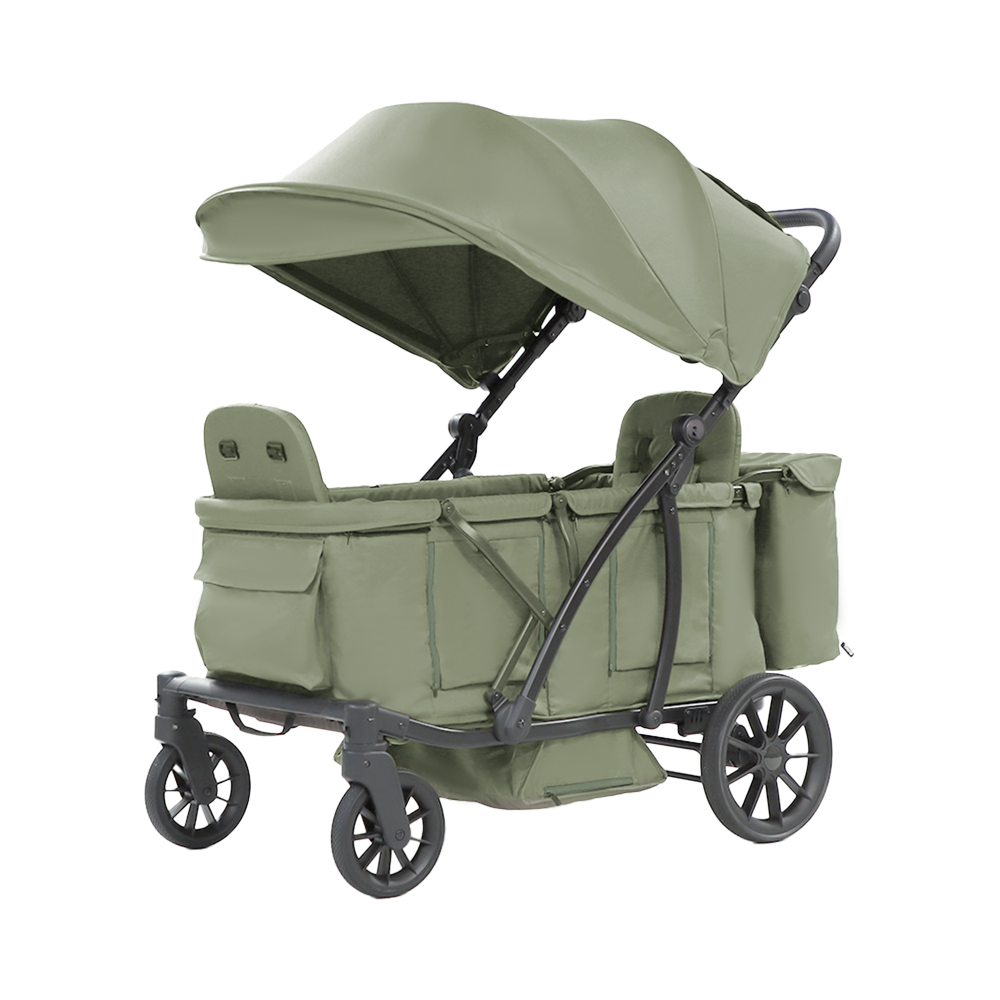
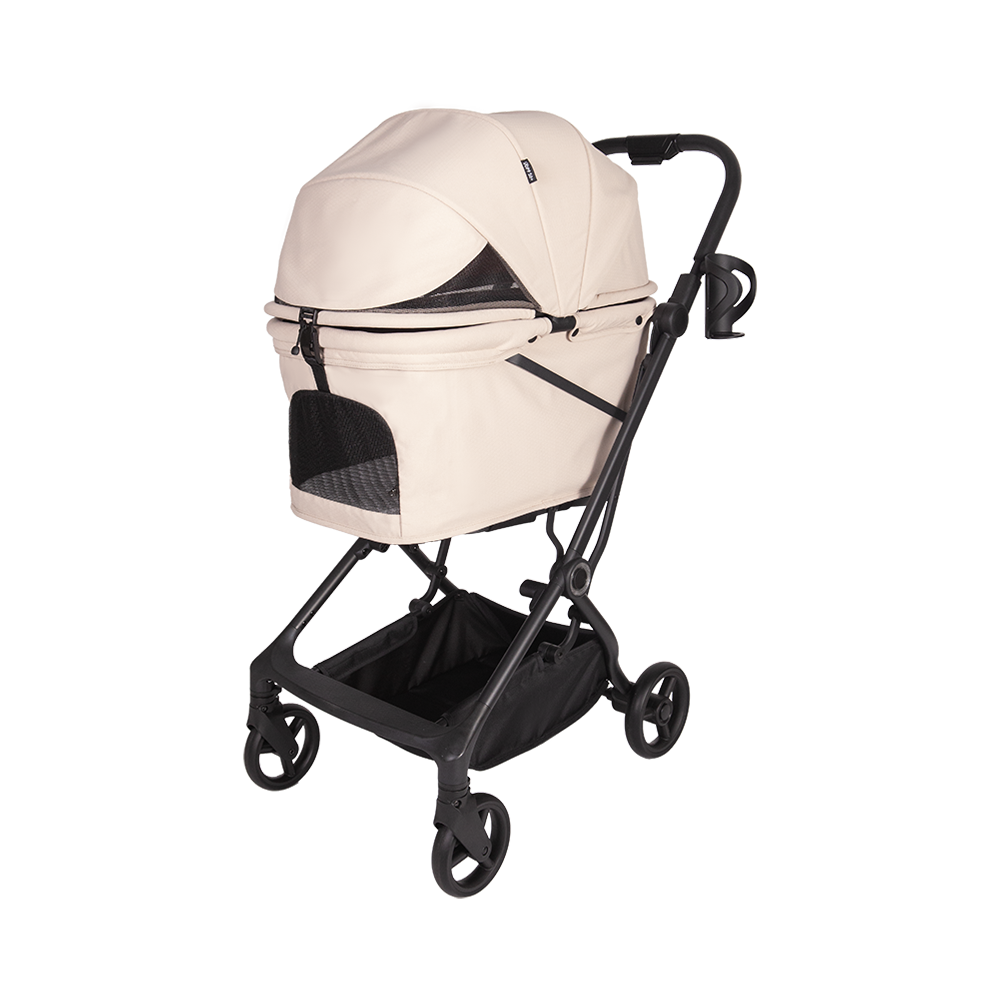
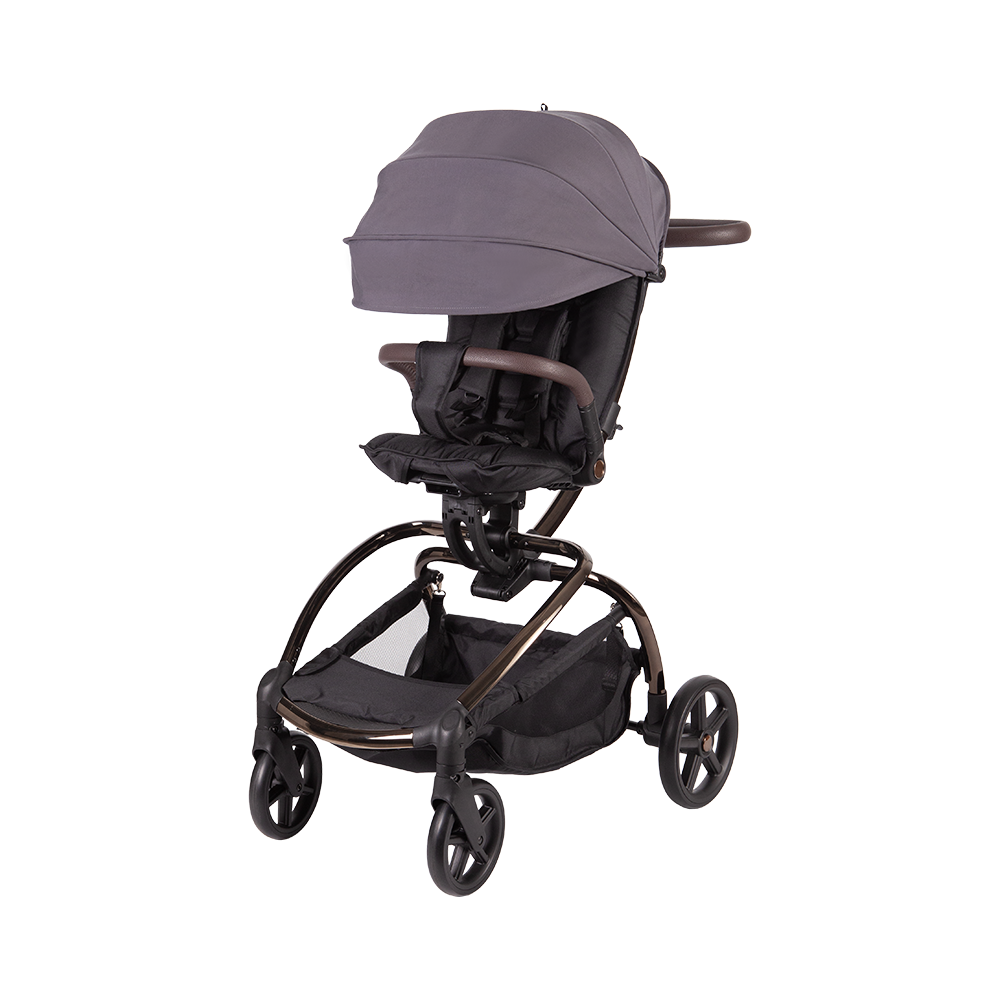
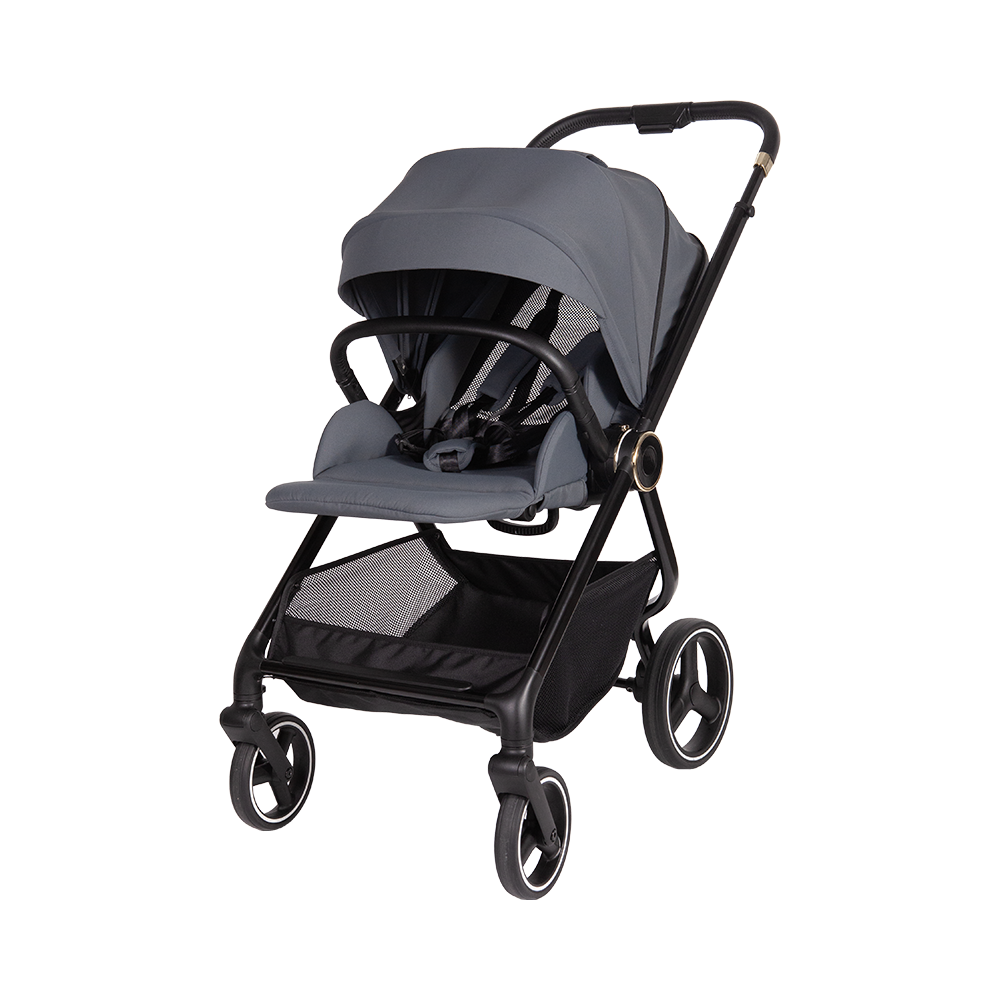


How Do Different Wheel Designs Influence the Performance of an Outdoor Camping Trolley on Various Terrains?
The Role of Wheel Design in Outdoor Camping Trolley Performance
Wheel design is one of the key factors that determines how an outdoor camping trolley performs in different environments. A camping wagon is often used on grass, gravel roads, beaches, forest paths, and other outdoor surfaces where terrain conditions can change quickly. The size, material, structure, and rotation system of the wheels directly affect the trolley's mobility, stability, and user experience during transportation.
For manufacturers developing camping carts, wheel selection requires a balance between load support, maneuverability, durability, and portability. Zhenjiang YKO Child Product Co., Ltd. applies its experience in designing and manufacturing child mobility products to focus on practical structural design, safety considerations, and durable product development when expanding into outdoor trolley solutions.
How Wheel Size Affects Terrain Adaptability
The diameter of camping wagon wheels has a direct influence on how easily the trolley moves across uneven surfaces. Larger wheels can reduce resistance when passing over obstacles such as stones, sand, and small gaps, while smaller wheels are generally more suitable for smooth and flat environments where compact storage is a priority.
For outdoor camping trolley applications, manufacturers usually consider the balance between wheel size and overall product dimensions. A larger wheel system may provide better ground clearance and easier movement on outdoor terrain, while the folding structure and storage requirements must also be considered to maintain convenience during transportation.
| Wheel Size | Common Application | Performance Characteristics |
| Small Diameter Wheels | Paved roads, indoor spaces, short-distance transportation | Compact structure, easy storage, suitable for smooth surfaces |
| Medium Diameter Wheels | Camping areas, parks, general outdoor activities | Balanced mobility and portability for various conditions |
| Large Diameter Wheels | Sand, gravel, grass, uneven outdoor terrain | Improved obstacle crossing ability and reduced pushing resistance |
The Influence of Wheel Materials on Outdoor Durability
The material used for camping cart wheels affects durability, shock absorption, and long-term outdoor performance. Different outdoor environments create different requirements for wheel materials. For example, softer materials can help reduce vibration on uneven surfaces, while harder materials may provide better wear resistance on firm ground.
Outdoor camping trolleys are frequently exposed to moisture, dust, and changing weather conditions. Therefore, wheel materials need to work together with the frame and fabric components to support long-term outdoor use. Material selection is especially important for products designed for family camping, outdoor recreation, and transportation of equipment.
| Wheel Material | Typical Characteristics | Suitable Conditions |
| Rubber Wheels | Good cushioning ability and reduced vibration | Grass, gravel, and outdoor paths |
| PU Wheels | Lightweight structure with balanced wear resistance | Parks, camping areas, and mixed surfaces |
| Plastic Wheels | Simple structure and cost-effective design | Flat surfaces and light-duty applications |
Wheel Rotation Systems and Handling Control
Besides wheel size and material, the rotation system also affects the handling performance of an outdoor camping trolley. Front wheels with flexible rotation can improve steering control, especially when users need to move around trees, tents, or narrow outdoor spaces. A stable wheel connection system helps maintain balance when carrying different types of loads.
For camping wagon manufacturers, the connection between the wheel assembly and the frame is an important part of structural design. Proper reinforcement can help reduce stress during movement and improve reliability when the trolley is used on uneven terrain.
Matching Wheel Design with Different Outdoor Scenarios
Different users may have different expectations for a camping cart depending on their outdoor activities. A family using a trolley in a park may focus on smooth movement and easy storage, while users traveling on beaches or forest trails may require stronger terrain adaptability and higher ground clearance.
| Outdoor Environment | Recommended Wheel Features | Key Considerations |
| Beach Areas | Larger wheels with wider contact surfaces | Reducing sinking and improving movement on soft sand |
| Grass and Parks | Medium or large wheels with stable traction | Maintaining smooth movement on uneven ground |
| Gravel and Forest Paths | Shock-resistant wheel structures | Handling stones, slopes, and irregular surfaces |
Wheel Design Considerations for OEM Camping Wagon Development
For brands and distributors selecting an OEM camping wagon supplier, wheel customization capability is an important factor. Different markets may require different wheel configurations based on climate, terrain, and customer usage habits. Manufacturers need to evaluate wheel structure together with frame strength, folding design, and product safety requirements.
With experience in ODM and OEM product development, Zhenjiang YKO Child Product Co., Ltd. focuses on combining practical design concepts with manufacturing capabilities to create products that support different application needs. The same approach can be applied when developing outdoor camping trolley solutions with attention to usability, durability, and transportation efficiency.
What Materials Are Commonly Used in High-Quality Camping Wagons and How Do They Affect Durability?
Material Selection as a Key Factor in Camping Wagon Development
The materials used in a camping wagon have a direct influence on its service life, load performance, outdoor adaptability, and user experience. A camping cart is designed to transport different types of equipment during outdoor activities, which means every component needs to handle repeated movement, changing weather conditions, and different ground environments.
For outdoor camping trolley manufacturers, material selection is not only about strength but also about balancing weight, portability, safety, and environmental considerations. Similar to the development requirements of child mobility products, durable structures and reliable materials are important factors during product design. Zhenjiang YKO Child Product Co., Ltd. focuses on safety-oriented product development and applies experience in material selection, structural design, and manufacturing processes when creating products for different application scenarios.
Frame Materials and Their Impact on Structural Stability
The frame is the main supporting structure of a camping wagon, and its material determines the overall strength, weight, and resistance to deformation. Manufacturers usually select metal materials that can provide sufficient support while keeping the trolley convenient for transportation and storage.
| Frame Material | Characteristics | Common Applications |
| Steel | Strong load support and suitable for heavy-duty structures | Camping wagons designed for carrying larger loads |
| Aluminum Alloy | Lightweight structure with good corrosion resistance | Portable camping carts requiring easier transportation |
| Metal Alloy Combination | Balances strength, weight, and manufacturing flexibility | Multi-purpose outdoor camping trolley designs |
Steel frames are commonly selected for applications where higher load capacity is required, while aluminum alloy structures are often considered when reducing product weight is a priority. The choice depends on the intended market, usage environment, and product positioning.
Fabric Materials Used in Camping Wagon Compartments
The fabric section of a camping cart needs to support outdoor exposure while maintaining durability during daily use. Since camping wagons are often used in parks, beaches, camping sites, and outdoor events, the fabric should be able to handle friction, sunlight, dust, and occasional moisture.
| Fabric Material | Main Features | Usage Considerations |
| Oxford Fabric | Durable woven structure with resistance to daily wear | Suitable for outdoor storage compartments and carrying areas |
| Polyester Fabric | Lightweight and easy to maintain | Used for portable and folding camping wagon designs |
| Coated Fabric | Provides additional protection against moisture and outdoor conditions | Suitable for changing weather environments |
Many outdoor camping trolley designs combine fabric materials with protective coatings to improve resistance against water and environmental factors. The fabric selection also needs to consider cleaning convenience because outdoor users may encounter mud, sand, or dust during transportation.
Wheel Materials and Outdoor Performance
Wheel materials influence how smoothly a camping wagon moves across different surfaces. Since outdoor environments are rarely completely flat, wheel components need to provide suitable support for grass, gravel, sand, and other uneven terrain.
| Wheel Material | Performance Characteristics | Suitable Terrain |
| Rubber | Provides cushioning and helps reduce vibration | Grass, gravel paths, and outdoor trails |
| PU | Offers balanced wear resistance and mobility | Parks, camping areas, and mixed surfaces |
| Plastic | Lightweight and suitable for simple applications | Flat ground and short-distance transportation |
The connection between wheel materials and the frame structure is also important. A well-designed wheel system can reduce stress on the frame and improve the overall durability of the camping wagon during repeated outdoor use.
Eco-Friendly Material Considerations in Modern Camping Wagon Manufacturing
Environmental responsibility has become an important consideration in product manufacturing. More outdoor product developers are paying attention to recyclable materials, efficient production methods, and longer product service life to reduce resource waste.
Manufacturers with experience in eco-conscious product development, such as Zhenjiang YKO Child Product Co., Ltd., consider factors including material durability, production efficiency, and product lifecycle when developing consumer products. These principles are also relevant for camping cart manufacturing, where durable materials can help extend product usage and reduce replacement frequency.
How Material Combination Influences Overall Product Durability
A durable camping wagon is usually the result of multiple materials working together rather than relying on a single component. The frame provides structural support, the fabric section handles carrying tasks, and the wheels determine movement capability. Each material must match the others to achieve stable performance during outdoor activities.
For OEM and ODM projects, manufacturers need to evaluate material combinations according to target markets and customer requirements. Factors such as climate conditions, transportation frequency, expected load, and storage environment all influence the final material selection for an outdoor camping trolley.