English
  中文简体
中文简体  Español
  русский
  Deutsch
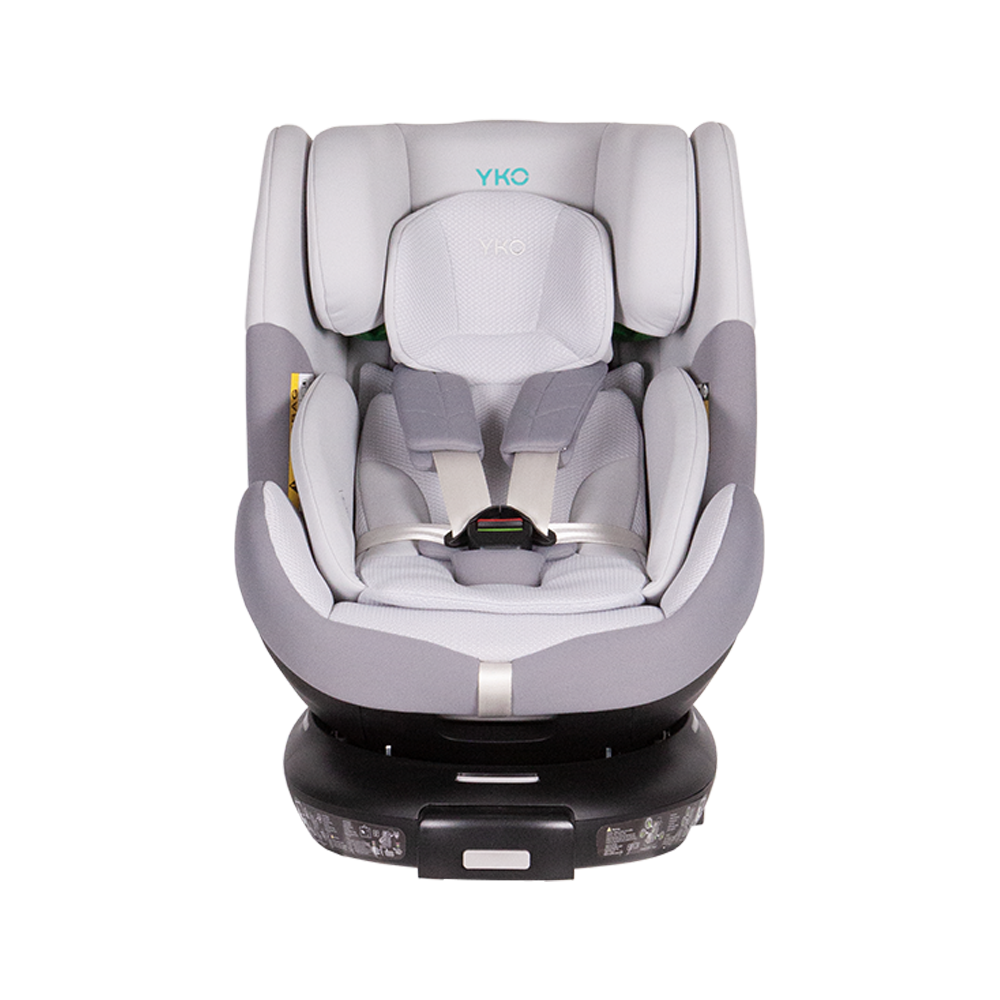
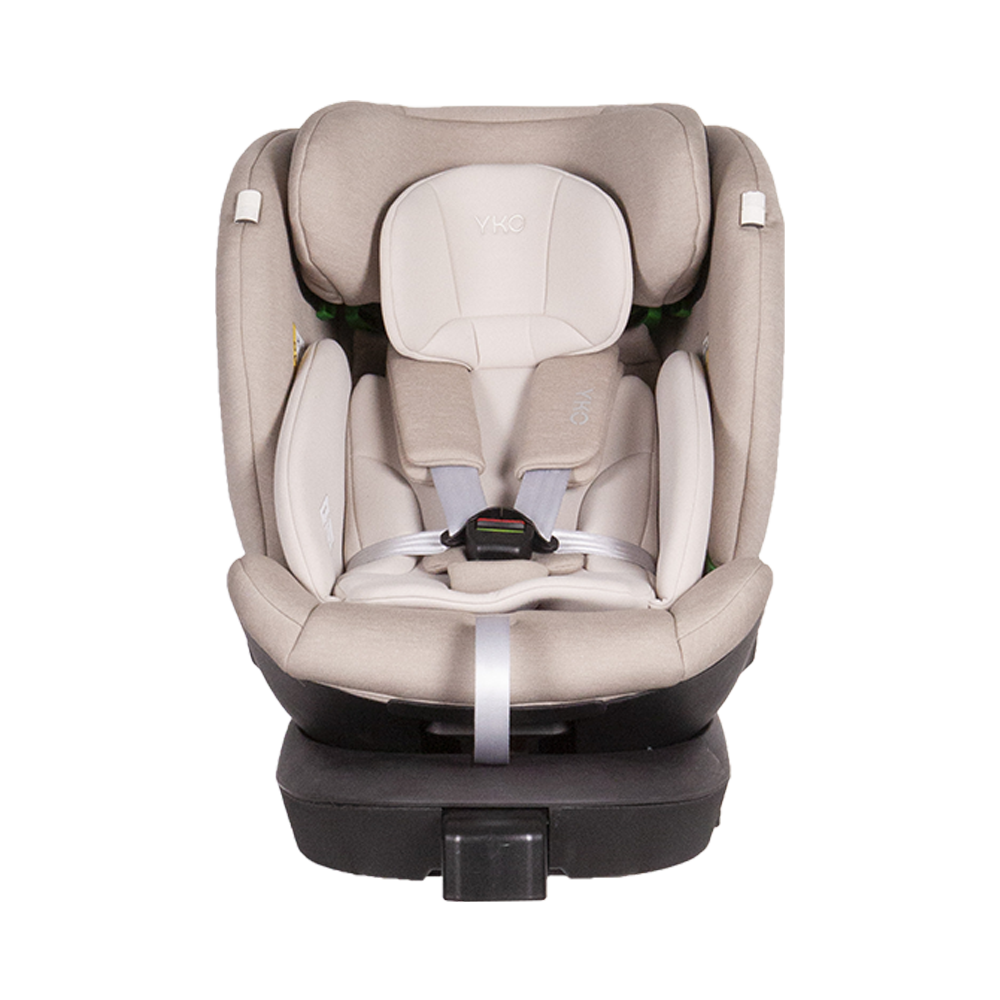
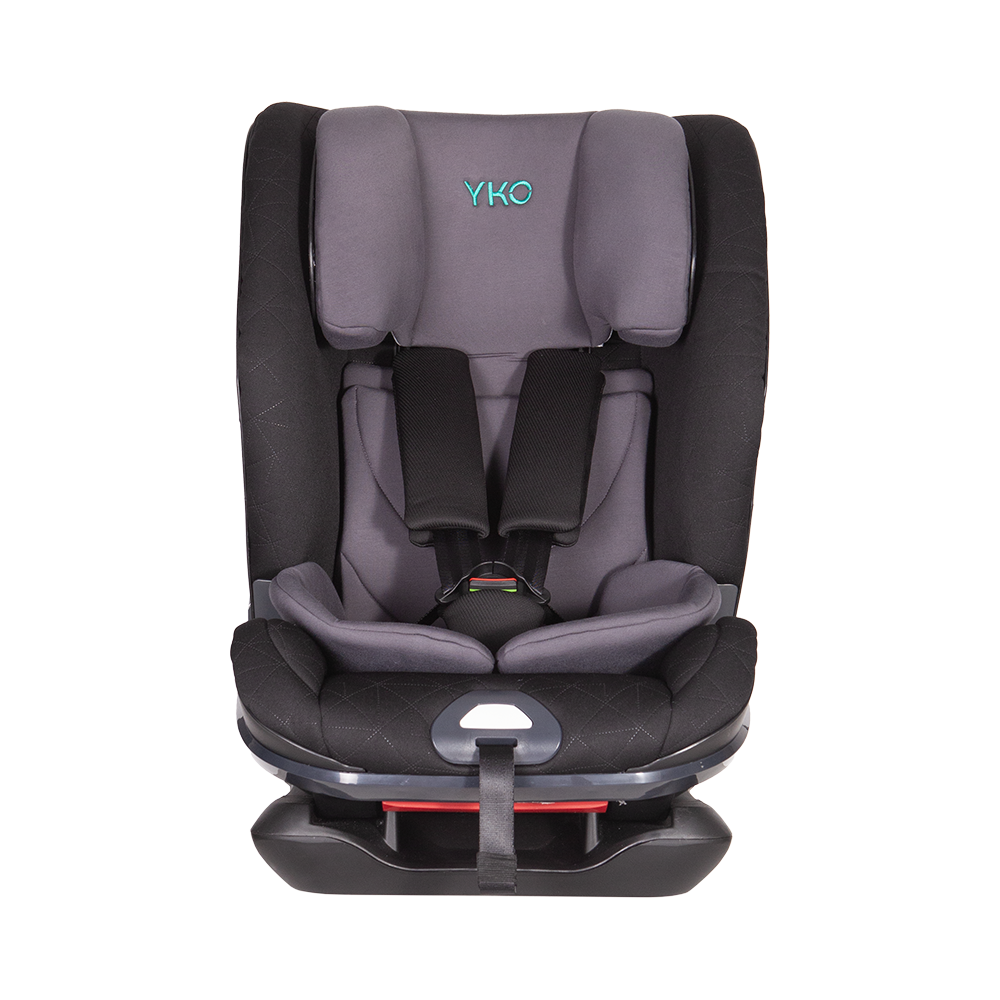
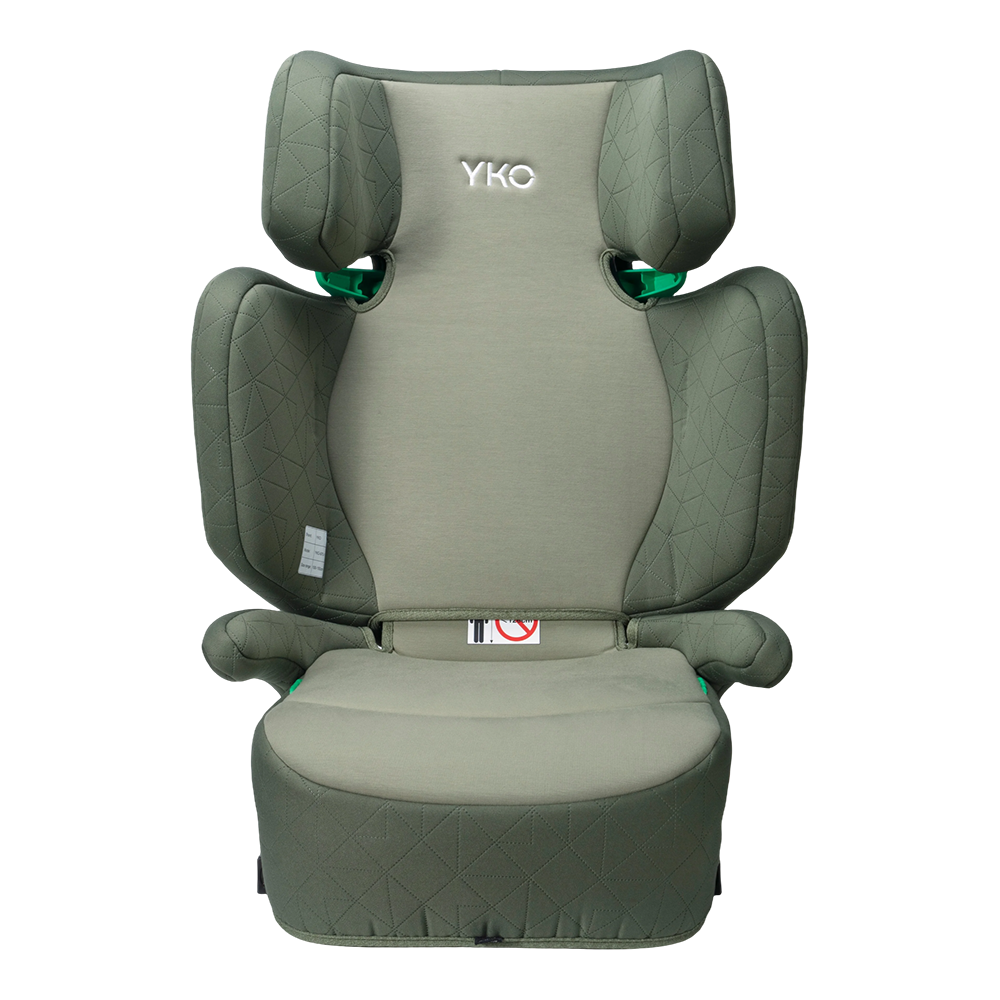


Why Do I-Size Car Seats Use Load Legs and Anti-Rebound Systems Together?
The Role of Load Legs in I-Size Car Seat Structural Support
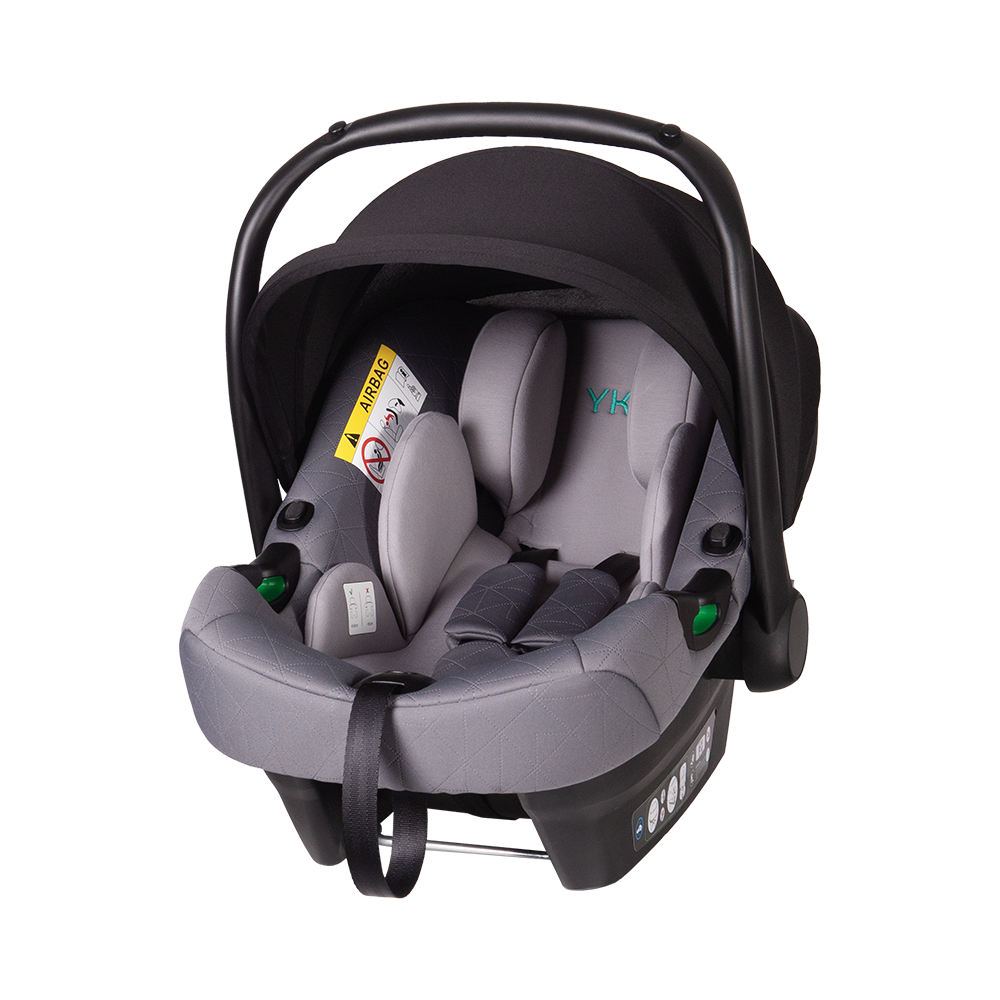
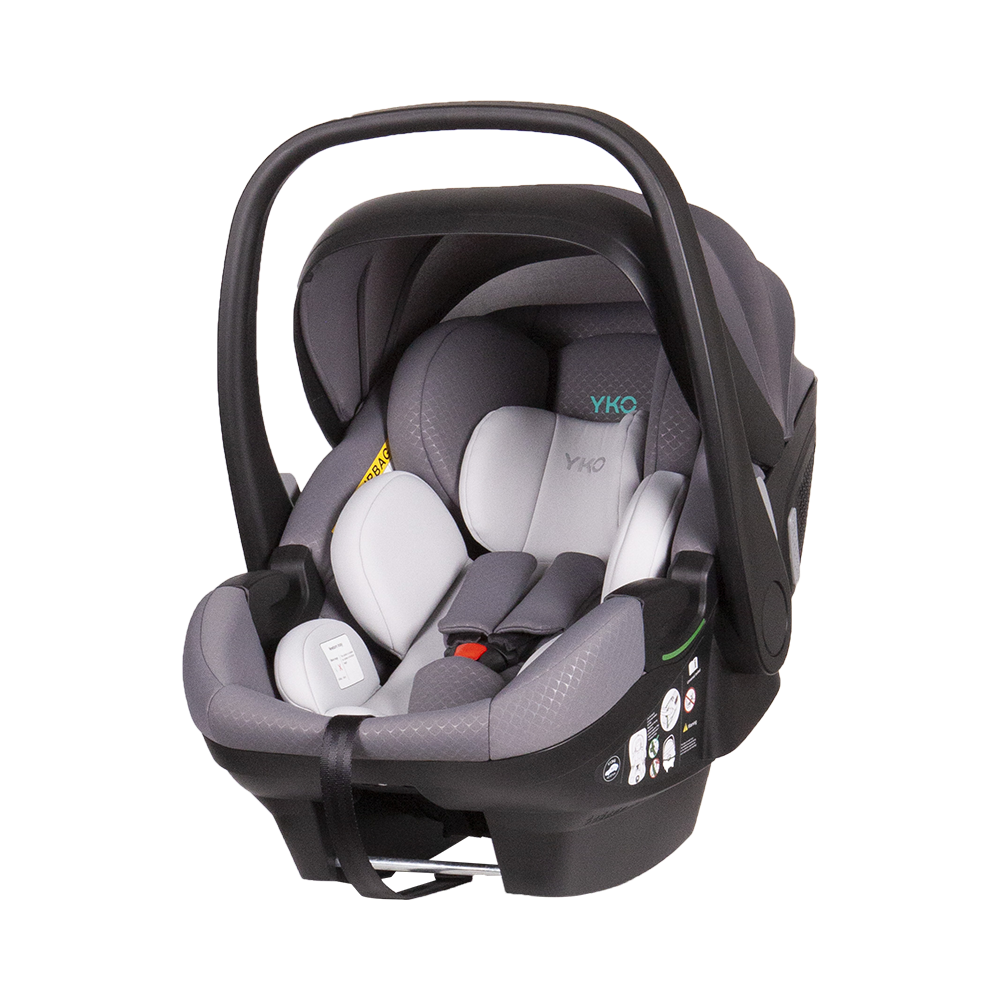
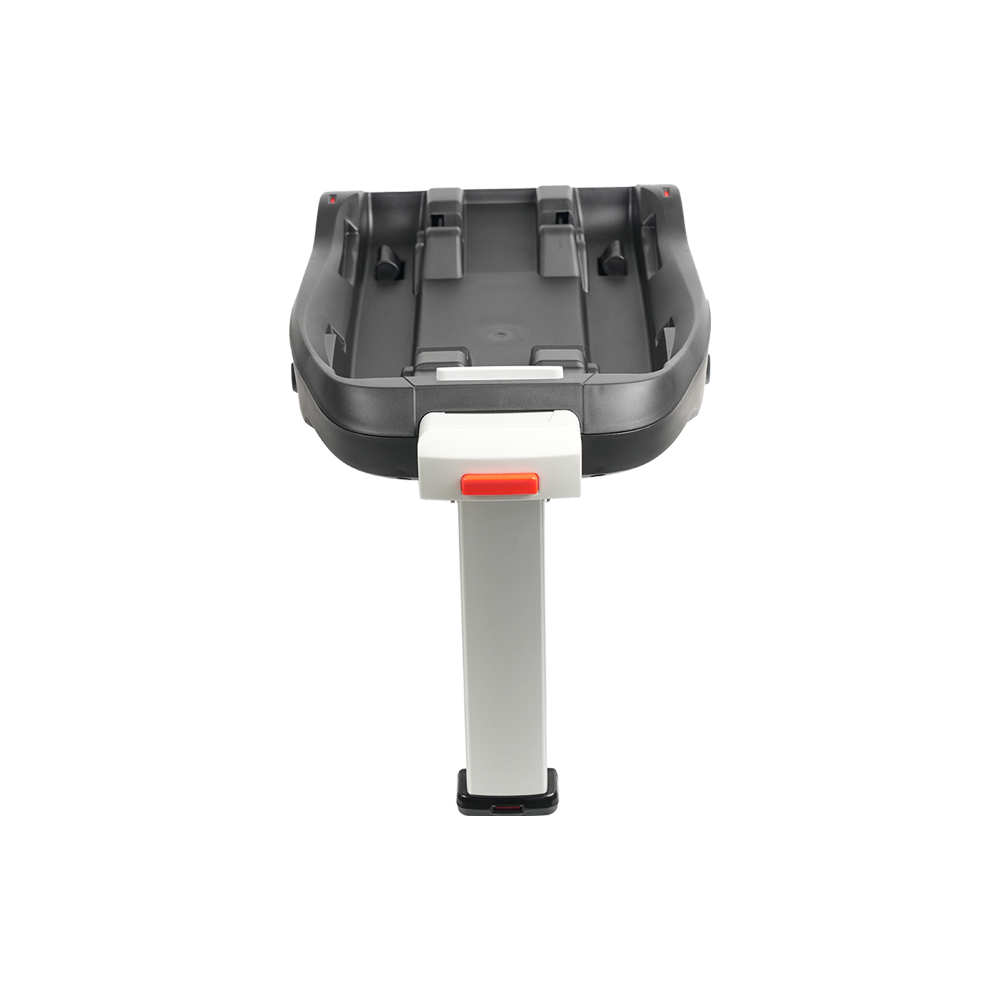
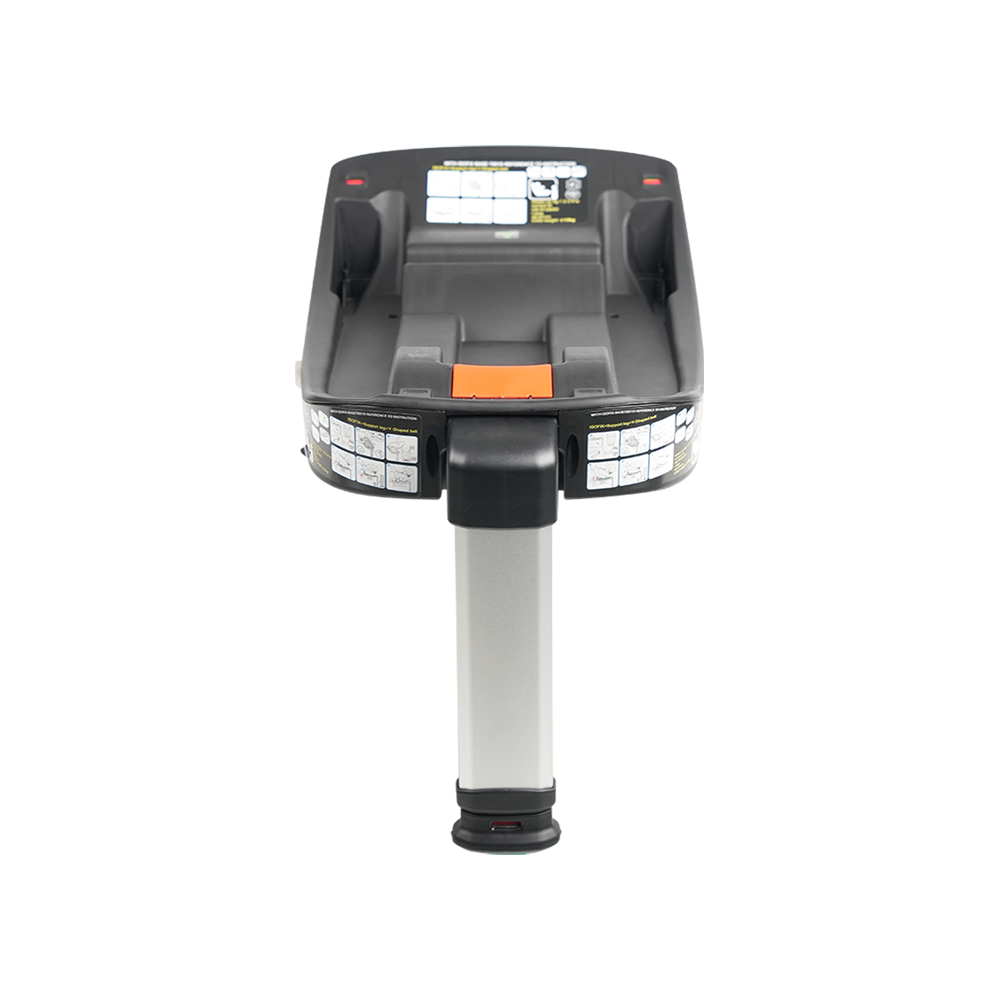
A load leg is an adjustable support component that extends from the base of a car seat to the vehicle floor. Its main function is to create an additional support point between the child seat and the vehicle structure. During a frontal collision, the load leg helps reduce excessive movement of the seat base by transferring part of the impact force toward the vehicle floor.
For an I-Size car seat manufacturer, the design of the load leg requires careful consideration of height adjustment, material strength, locking reliability, and compatibility with different vehicle interiors. A properly engineered load leg system can help maintain the intended position of the child seat during impact conditions while supporting stable installation for daily use.
When evaluating an i-size car seat wholesale supplier, buyers often review how the load leg system is integrated into the overall seat structure. Factors such as mechanical durability, repeated adjustment performance, and connection strength are important considerations for long-term product reliability.
How Anti-Rebound Systems Improve Rear-Facing Car Seat Protection
Anti-rebound systems are designed to limit backward movement of a child car seat during certain collision situations, especially when the seat experiences rebound forces after an initial impact. Depending on the product structure, anti-rebound solutions may include anti-rebound bars, rebound panels, or specially designed base structures.
Rear-facing installation is widely used in I-Size car seats because it helps distribute crash forces across the larger surface area of the child restraint system. However, controlling seat rotation and rebound movement remains an important engineering challenge. The anti-rebound structure works together with other components to improve seat stability and provide a more controlled response during impact events.
Why Load Legs and Anti-Rebound Systems Are Combined in Modern I-Size Designs
Load legs and anti-rebound systems solve different structural challenges, which is why many modern I-Size car seats combine both technologies. The load leg mainly helps control forward rotation and transfers forces downward, while the anti-rebound system helps manage rearward movement after impact.
By working together, these systems create a more balanced support structure. For manufacturers developing products for global markets, combining these features requires detailed engineering, testing procedures, and manufacturing experience to ensure the components function as part of one integrated safety system rather than as independent accessories.
| Safety Component | Main Function | Key Design Considerations |
| Load Leg | Provides additional support between the car seat base and vehicle floor to reduce movement during impact. | Adjustment range, locking mechanism, material strength, vehicle compatibility. |
| Anti-Rebound System | Helps control backward movement and rebound forces during collisions. | Structural design, connection strength, impact resistance. |
| ISOFIX Connection | Creates a secure attachment between the child seat and vehicle anchorage points. | Connector durability, installation accuracy, user-friendly operation. |
Manufacturing Considerations for ISOFIX Car Seat Factories
For buyers searching for an isofix car seat factory, production capability involves more than assembling individual components. The factory needs to understand structural engineering, injection molding processes, metal component production, safety testing procedures, and quality control management.
The manufacturing process of an ISOFIX car seat requires accurate control of component dimensions because small variations in connectors, support structures, or adjustment mechanisms may influence installation performance. Professional factories usually establish inspection procedures for key parts such as ISOFIX connectors, load leg assemblies, seat shells, and impact protection components.
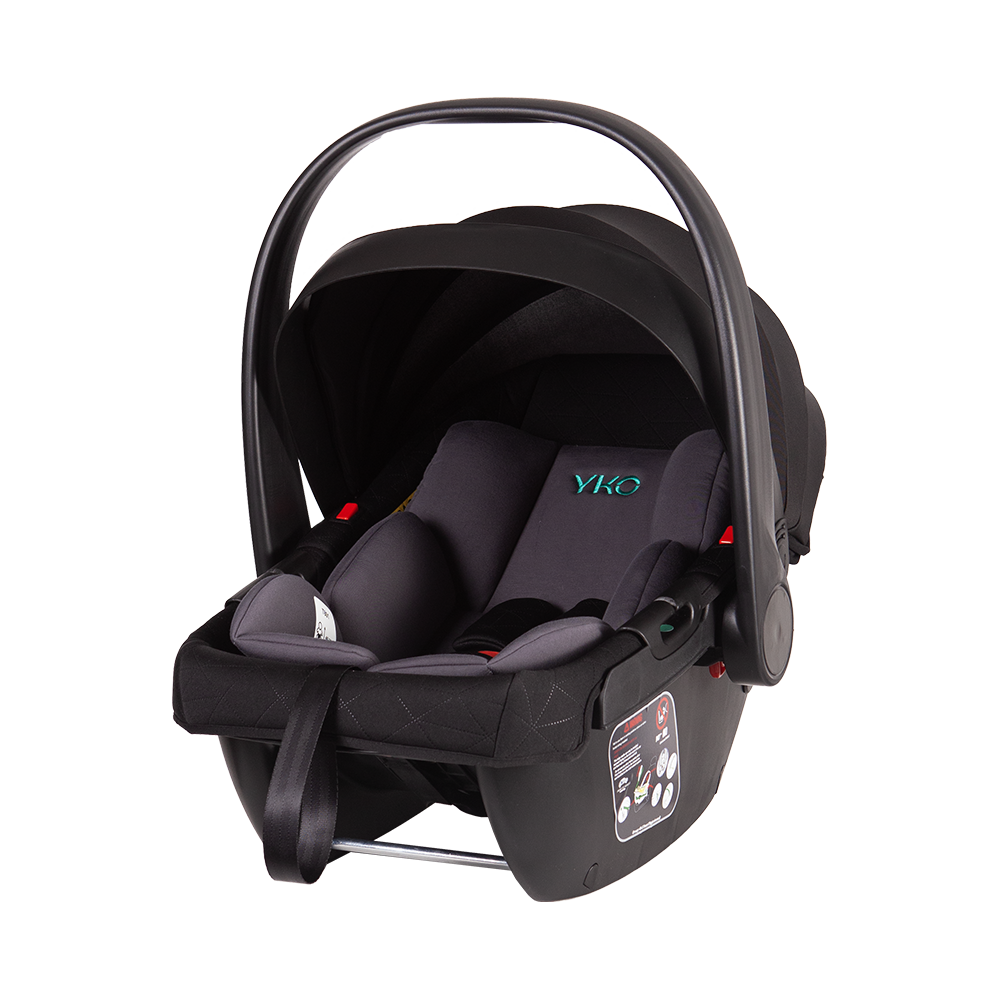
Zhenjiang YKO Child Product Co., Ltd. focuses on the research, development, manufacturing, and sales of child safety seats and strollers, with experience in ODM and OEM cooperation. Its production approach combines safety requirements, practical design, and environmental considerations to support customers developing child mobility products for different markets.
How Load Leg Design Influences Product Selection for Wholesale Buyers
For buyers involved in i-size car seat wholesale, load leg design is one factor that can influence product positioning and market acceptance. Different regions may have different vehicle structures, consumer preferences, and regulatory requirements, so manufacturers need to consider adaptability during product development.
A well-designed load leg system should provide stable support while maintaining convenient operation for parents. Features such as clear adjustment indicators, reliable locking feedback, and durable materials can improve user confidence and reduce installation difficulties.
| Buyer Evaluation Area | Important Factors |
| Safety Structure | Load leg performance, anti-rebound design, ISOFIX connection reliability. |
| Manufacturing Capability | Product development ability, testing process, OEM customization experience. |
| Market Adaptability | Vehicle compatibility, regional standards, consumer usage habits. |
The Connection Between I-Size Technology and Global Child Mobility Markets
The increasing demand for safer and more convenient child travel products has encouraged manufacturers to continue improving car seat structures. I-Size regulations have influenced product development by encouraging manufacturers to focus on child protection, installation accuracy, and compatibility with modern vehicles.
For companies producing both car seats and travel products, combining safety technology with practical mobility solutions is becoming an important development direction. Lightweight designs, portable structures, and travel-friendly functions are increasingly considered alongside safety performance when creating products for international families.
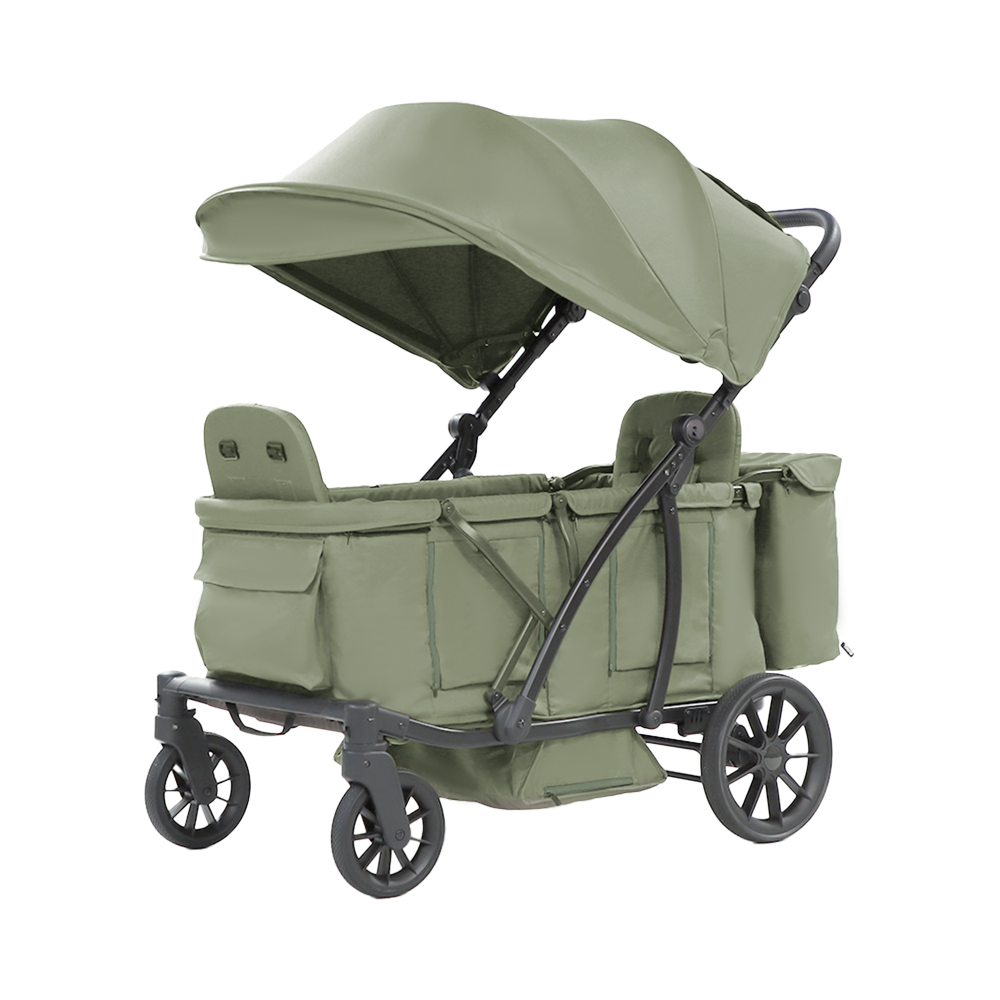
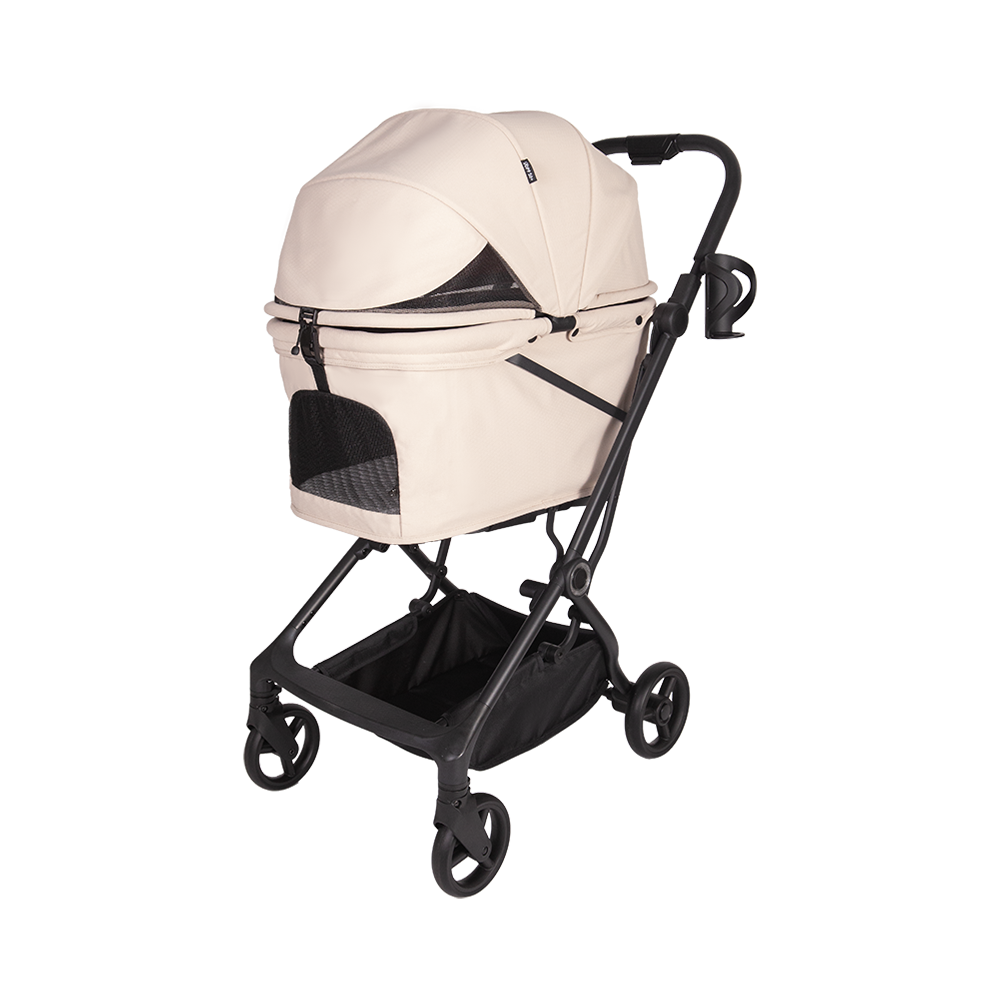
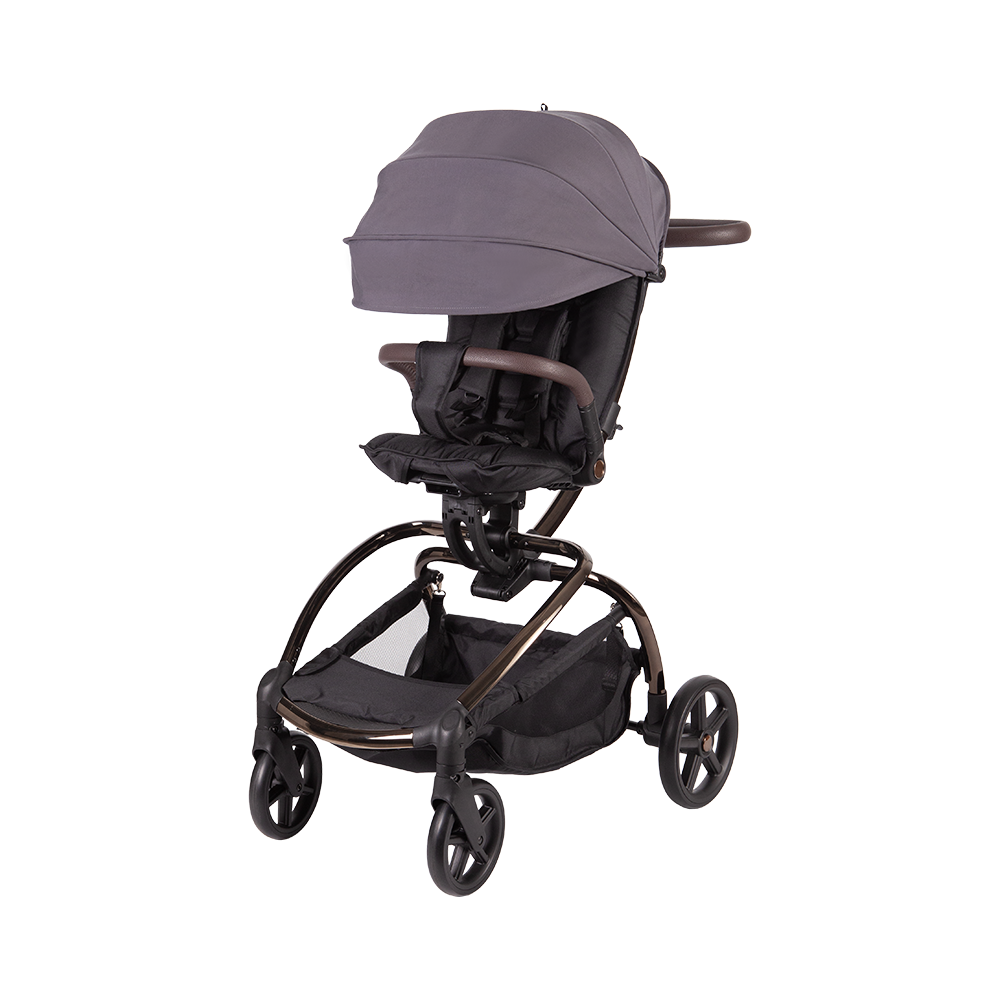
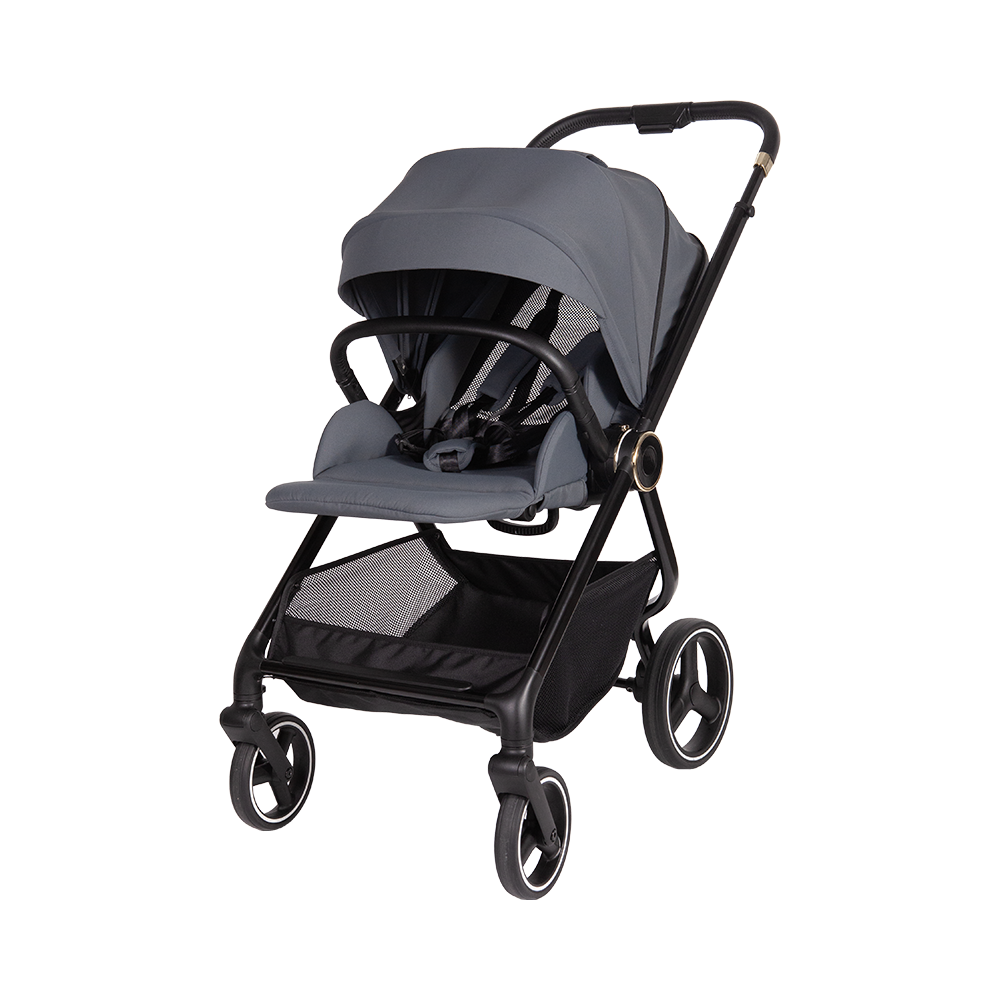
With experience in child safety seats and strollers, YKO continues to explore product solutions that balance safety, comfort, environmental responsibility, and everyday usability. This approach supports global partners looking for reliable solutions such as portable car seats for travel, travel system stroller wholesale programs, and lightweight travel stroller factory cooperation.
FAQ
Q: How do manufacturers improve the stability of an I-Size car seat during different driving conditions?A: An I-Size car seat requires careful structural design to maintain stability during daily use and unexpected vehicle movements. Manufacturers usually focus on ISOFIX connection accuracy, reinforced seat structures, adjustable support systems, and compatibility testing with different vehicle models. For OEM and wholesale projects, these engineering factors help ensure the product meets market expectations for safety and usability.
Q: What should buyers evaluate when selecting an ISOFIX car seat supplier for international markets?A: Buyers should consider the supplier’s product development capability, manufacturing process, quality control system, and experience with global compliance requirements. An experienced ISOFIX car seat manufacturer should be able to provide solutions involving connector durability, seat structure optimization, material selection, and customized designs for different market needs.
Q: How do car seat load leg anti-rebound systems work together to improve child seat performance?A: A car seat load leg anti-rebound system combines two structural solutions to help manage movement during collision situations. The load leg provides additional support between the car seat base and the vehicle floor, while the anti-rebound structure helps control backward movement after impact. Integrating both designs requires precise engineering to balance stability, installation convenience, and product durability.
Q: Why are car seats with ISOFIX and top tether becoming popular among global buyers?A: Car seats with ISOFIX and top tether provide multiple connection points between the child seat and the vehicle, helping improve installation stability. For distributors and brand owners, these products offer practical advantages because they support easier installation, reduce incorrect fitting risks, and match the safety requirements of many international markets.
Q: How can an OEM partner customize car seat designs for different travel product markets?A: OEM partners can work with manufacturers on aspects such as seat structure, materials, appearance design, functional features, and product combinations. Companies like Zhenjiang YKO Child Product Co., Ltd. provide ODM and OEM cooperation for child safety seats and strollers, allowing partners to develop products that combine safety requirements, travel convenience, and environmental considerations for different regions.