English
  中文简体
中文简体  Español
  русский
  Deutsch
The right baby stroller is decided by four factors in order of importance: your child's age and weight, how you actually get around day to day, the folding size your car or home can handle, and safety certification, not by brand reputation or price alone. A stroller that scores perfectly on reviews but does not fold small enough for your trunk, or is not rated for a newborn, will end up unused within weeks regardless of how well it is built.
For most families, this means starting with a full size stroller rated from birth if you plan to use it for your child's first year, then either sticking with it through toddlerhood or adding a lightweight umbrella stroller later once your child can sit up independently, generally around six months. Some households instead choose a single convertible stroller designed to grow with the child from infancy through the preschool years, trading a higher upfront cost for fewer purchases overall.
It also helps to think about a baby stroller the same way you would think about a major appliance rather than a small accessory. It will likely be used multiple times a day, in all types of weather, loaded with a diaper bag, groceries, and possibly a second child, for anywhere between one and four years depending on family size. Treating the decision with that level of seriousness, rather than choosing quickly based on a single photo online, is what separates families who love their stroller from families who replace it within the first year. The sections below walk through every factor that separates a stroller you will use daily from one that sits folded in a closet, along with data points, comparison tables, and a full room by room checklist you can use before you buy.
Types of Baby Stroller and Which One Actually Matches Your Routine
Before comparing individual features, it helps to know which category of baby stroller fits your situation, since the wrong category cannot be fixed later with better accessories or add ons. Below is a deeper look at each of the six main types on the market today, along with the kind of household each one tends to suit best.
A
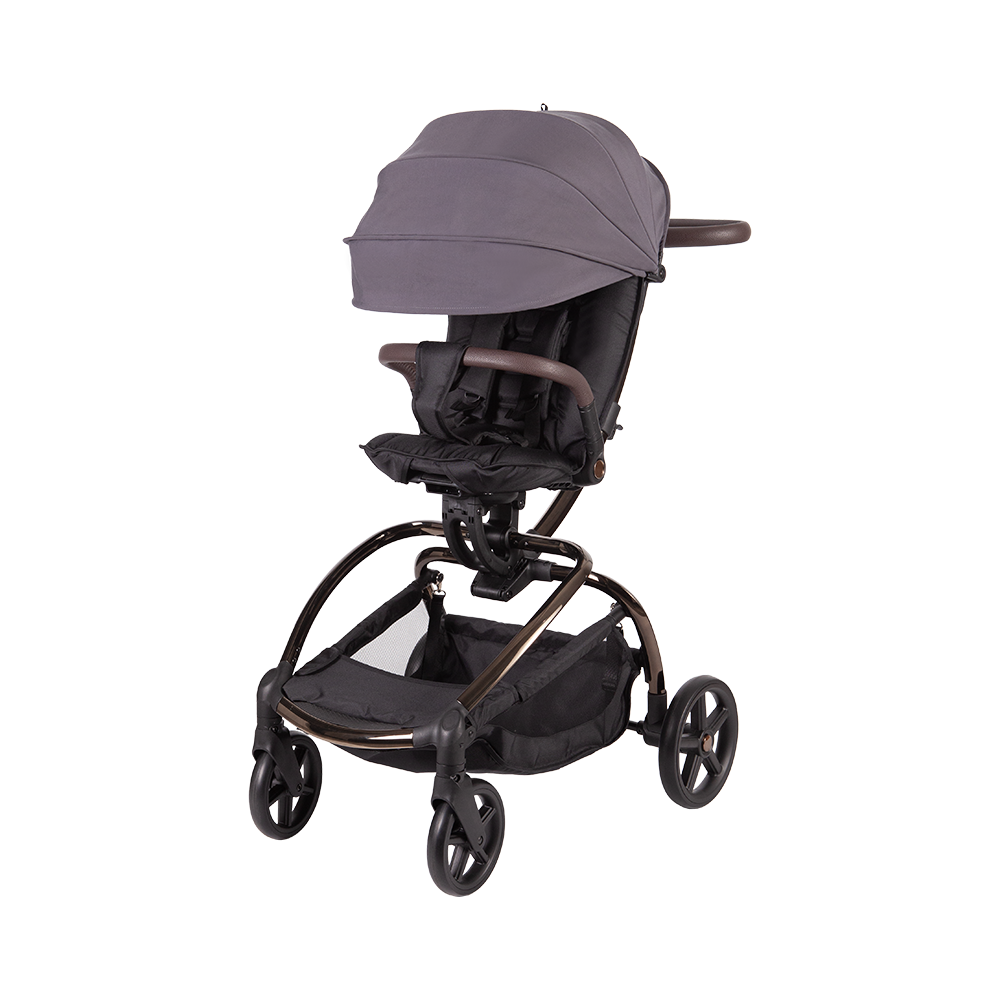
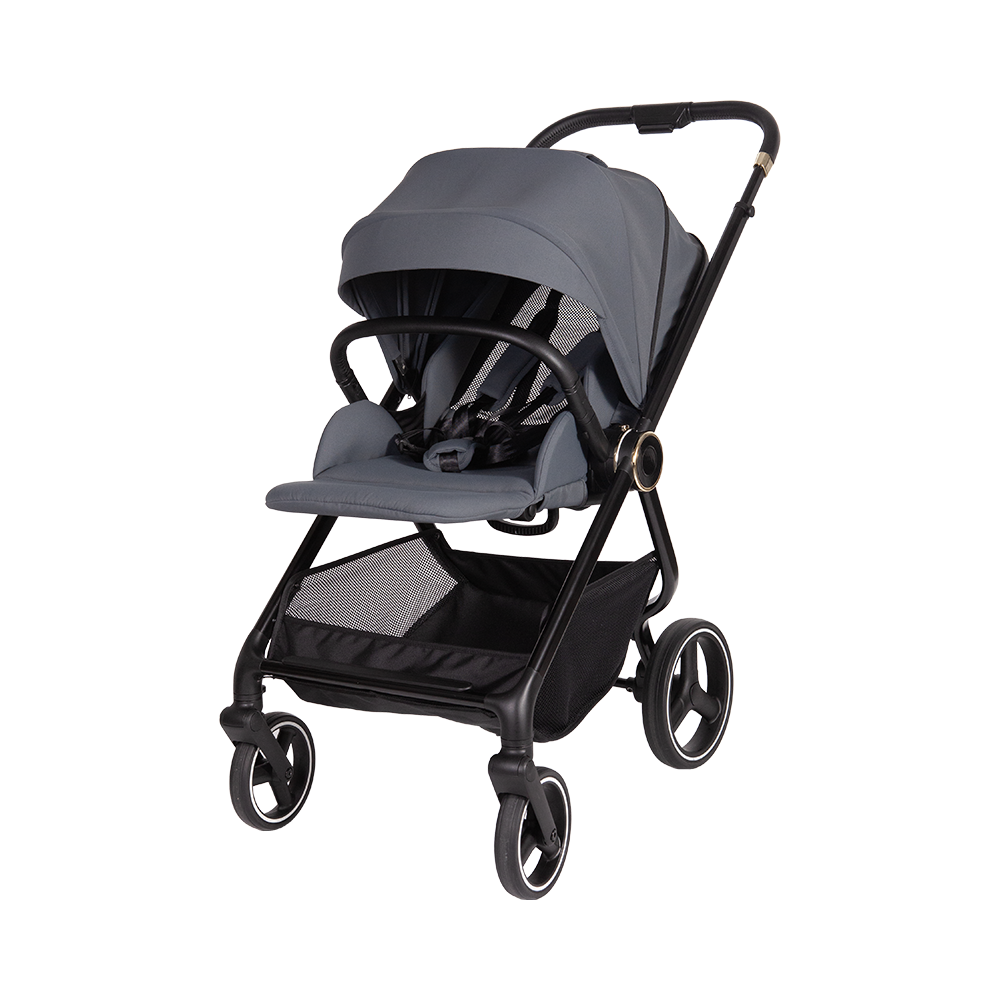
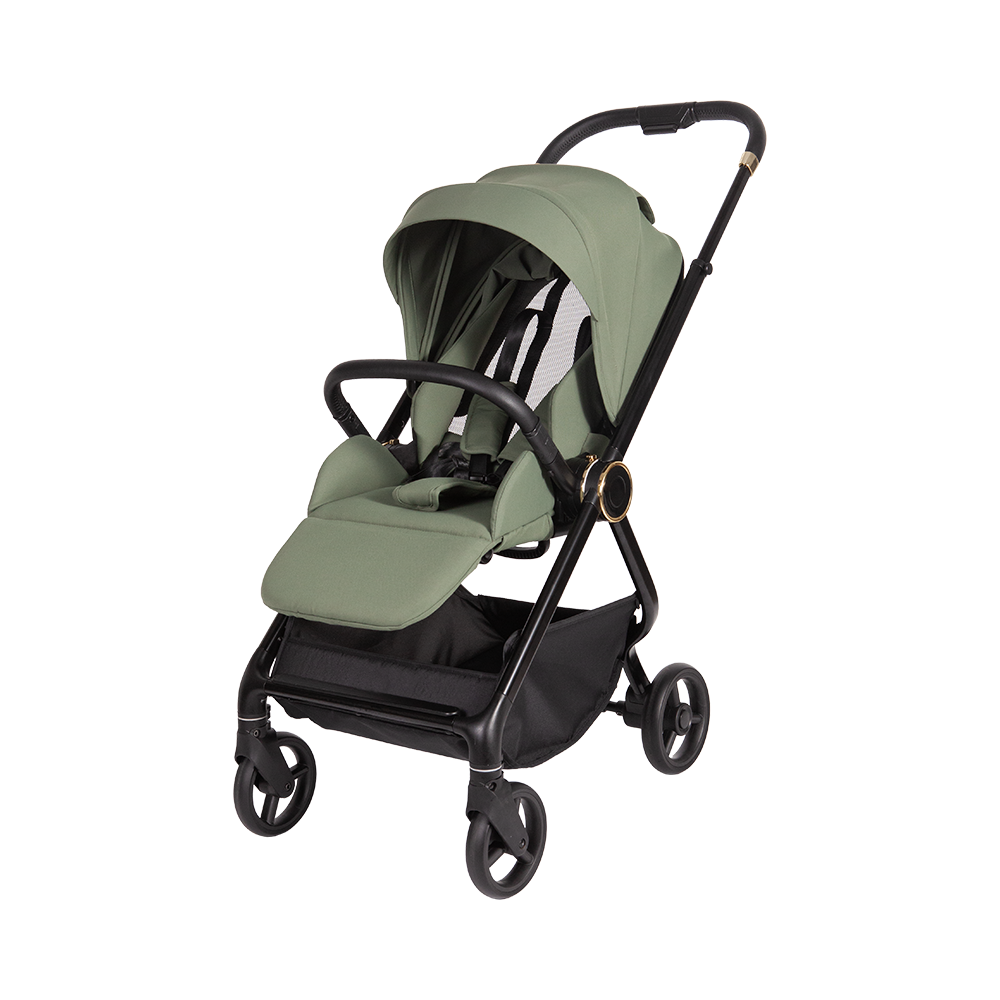
Full Size Strollers
Built for daily use from birth through toddler years, typically weighing between 20 and 30 pounds with a large storage basket, adjustable recline, and a sturdy frame suited to uneven sidewalks and daily errands. These strollers usually include a five point harness, an extendable canopy, and a taller handlebar height that is easier on the back during long walks compared to compact strollers.
B
Travel Systems
A stroller frame paired with a matching infant car seat that clicks in and out, allowing a sleeping baby to move from car to stroller without waking. Ideal for families who drive often with a newborn, and especially useful during the first six months when transferring a sleeping infant is a near daily occurrence.
C
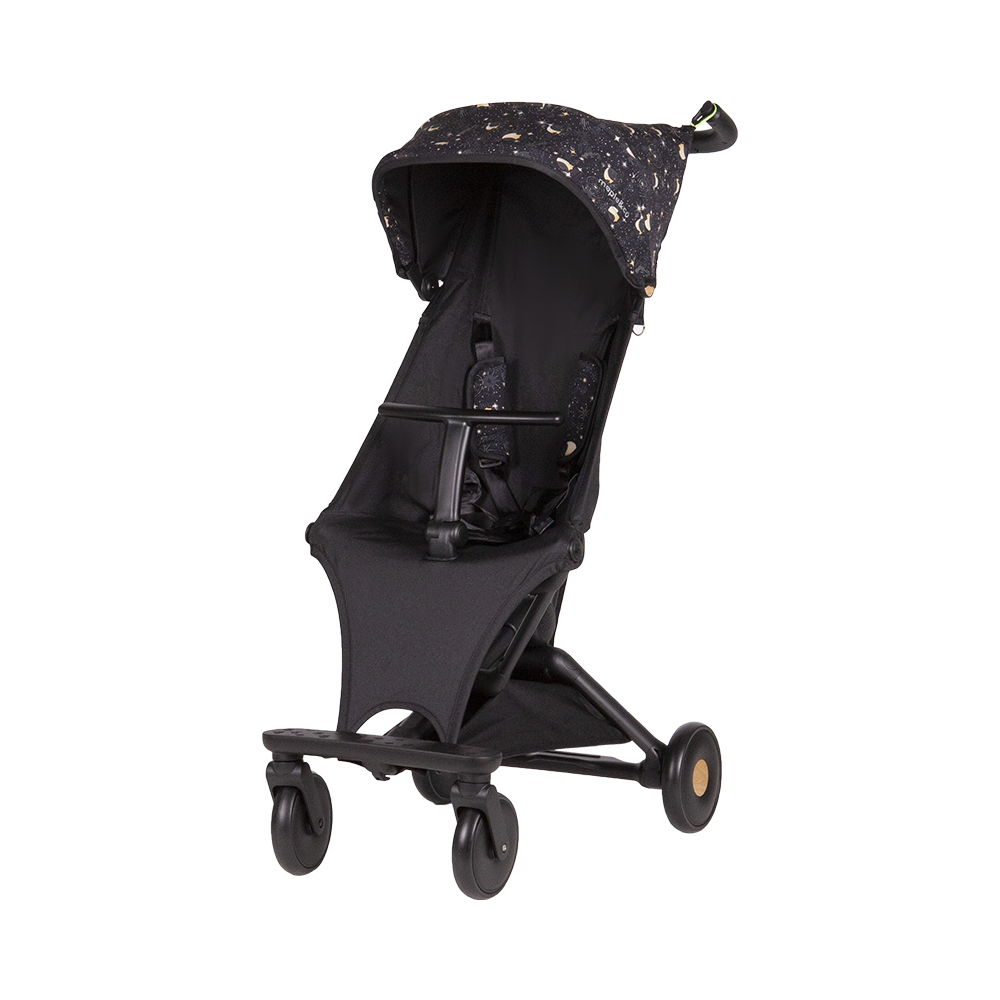
Lightweight or Umbrella Strollers
Compact, foldable strollers usually under 15 pounds, designed for children who can sit up on their own. Best as a second stroller for travel or quick outings rather than daily newborn use, since most models offer minimal recline and limited storage capacity compared to full size options.
D
Jogging Strollers
Three wheeled strollers with larger, air filled tires built for running or rough terrain, generally not recommended for infants under six to eight months due to limited head and neck support at speed. A fixed front wheel improves stability while running, though it makes tight indoor turns more difficult than a swivel wheel design.
E
Double or Multi Child Strollers
Available in side by side or tandem layouts for families with twins or two children close in age, with tandem versions generally folding smaller but offering less shared seating room, while side by side versions are wider but often easier to fit two children of different ages comfortably.
F
Convertible or Modular Strollers
Systems that adapt from a bassinet mode for newborns to a forward or rear facing seat as the child grows, often the most versatile option though usually the highest starting cost. Many of these systems can later be reconfigured to accommodate a second child, which extends their useful life for growing families.
It is worth noting that many households end up owning two strollers rather than one, most commonly a full size or travel system for daily use paired with a lightweight stroller for travel, grandparents' homes, or quick trips where a large stroller is impractical. Planning for this from the start, rather than treating a second purchase as a failure of the first, tends to lead to less frustration overall.
Key Factors to Weigh Before Buying a Baby Stroller
Once you know the general category that fits your routine, the following factors determine whether a specific model will actually work for your family day to day, rather than just looking good in a showroom or on a product page.
Age and Weight Rating
Every stroller is rated for a minimum and maximum weight, and many are not safe for newborns without an additional bassinet attachment or car seat adapter. Most full size strollers support children up to 40 to 50 pounds, while the recline angle needed for safe newborn use, generally close to fully flat, is a separate spec worth checking before assuming a model works from birth. Checking both the minimum age guidance and the maximum weight limit prevents two very different but equally common mistakes: using a stroller too early for an infant's neck strength, or continuing to use one after a child has outgrown its structural limits.
Folding Size and Storage
A stroller that folds to around 12 inches wide fits easily into most trunks and hallway closets, while larger travel systems can fold to 30 inches or more, which becomes a real problem for smaller vehicles or apartment living. Measuring your trunk space and storage area before buying prevents a common and frustrating return. It is also worth checking whether the stroller stands on its own when folded, since a model that collapses flat but cannot stand upright can be awkward to store against a wall or inside a closet.
Wheel Type and Terrain
Smaller plastic wheels handle smooth sidewalks and mall floors well but struggle on grass, gravel, or curbs. Larger air filled or foam filled tires absorb more shock and handle mixed terrain better, which matters most for families who live in older neighborhoods with uneven pavement or who frequently walk on trails or unpaved paths. Foam filled tires offer a middle ground, since they provide better shock absorption than solid plastic wheels without the puncture risk of fully air filled tires.
Weight of the Stroller Itself
A stroller that weighs 25 pounds empty becomes considerably heavier once you add a diaper bag, car seat, and child, which matters directly for anyone who lifts the stroller into a trunk, up stairs, or onto public transit regularly. Families without an elevator or with frequent stair access should prioritize models under 20 pounds when possible, even if that means sacrificing some storage capacity or suspension quality found in heavier models.
One Handed Folding Mechanism
Realistically, most parents fold a stroller while holding a child, a bag, and possibly a phone all at once. A one handed, one step fold mechanism is a small feature on paper that makes a large practical difference in daily use, particularly during the newborn stage when one arm is frequently occupied.
Canopy Coverage and Weather Protection
A canopy that extends low enough to fully shade an infant's face matters more than most first time buyers expect, especially for families in sunny climates. Look for a canopy with multiple extension panels or a zip out sun visor, along with a mesh peekaboo window that lets you check on your child without lifting the fabric and losing the shade coverage.
Handlebar Height and Adjustability
Fixed handlebar heights can be uncomfortable for taller or shorter parents, leading to back strain over months of regular use. An adjustable handlebar, even a simple two or three position version, allows the stroller to be shared comfortably between caregivers of different heights.
Storage Basket Size and Access
A generous underseat basket, ideally accessible from both the front and back of the stroller, makes a noticeable difference for anyone who regularly carries diaper bags, groceries, or extra layers. Some compact strollers sacrifice basket size significantly to achieve a smaller folded footprint, which is a worthwhile tradeoff for some families and a dealbreaker for others.
Compatibility With Car Seat Brands
If you plan to use the stroller as part of a travel system, confirm which infant car seat brands and models are compatible, either through a built in adapter or a universal attachment. Buying a stroller and car seat from mismatched brands without checking compatibility first is one of the most common and avoidable mistakes new parents make.
Baby Stroller Safety Standards and Certifications to Check
Safety certification is not optional, and it is one of the clearest ways to filter out lower quality products before comparing features at all. A stroller can look well built in photos while still failing basic structural or restraint testing, which is why third party certification matters more than visual impression.
- ASTM F833 certification is the primary safety standard for strollers sold in the United States, covering structural integrity, brake performance, and restraint system strength under simulated everyday stress.
- JPMA certification, issued by the Juvenile Products Manufacturers Association, confirms independent third party testing beyond the manufacturer's own claims, and is a useful shorthand when comparing lesser known brands.
- A five point harness is considered the safety standard for infants and young toddlers, offering far more restraint than a simple waist strap or a three point harness found on some budget models.
- Locking front swivel wheels add stability on uneven ground and should be present on any stroller intended for anything beyond flat indoor floors, since a swivel wheel that cannot lock can catch on cracks or curbs unexpectedly.
- A reliable parking brake engaged with a foot pedal is essential, particularly for use near streets, parking lots, or sloped sidewalks, and should be tested for how firmly it holds the stroller in place on an incline.
- A wrist strap or tether attached near the handlebar adds a layer of security on hills or uneven ground, preventing the stroller from rolling away if a caregiver briefly lets go.
- Check for any active recalls on a specific model through the Consumer Product Safety Commission before purchasing secondhand or even new stock that may have been sitting in a warehouse for an extended period.
Beyond formal certification, it is worth physically inspecting the harness buckle, the frame's locking mechanism, and any folding hinge for sharp edges or pinch points before your child ever uses the stroller for the first time.
Stroller Type Comparison at a Glance
The table below summarizes how each stroller type performs across the factors that matter most to everyday parents, based on typical specifications across the market rather than any single brand.
| Stroller Type | Typical Weight | Storage Basket | Best Use Case |
| Full size stroller | 20 to 30 lbs | Large | Daily use from birth through toddler years |
| Travel system | 22 to 28 lbs frame plus car seat | Medium to large | Frequent car trips with a newborn |
| Lightweight or umbrella | Under 15 lbs | Small | Travel and quick outings for toddlers |
| Jogging stroller | 25 to 35 lbs | Medium | Running and rough terrain for older infants and toddlers |
| Double or tandem stroller | 30 to 40 lbs | Medium to large | Twins or two children close in age |
| Convertible or modular | 24 to 32 lbs | Large | Families wanting one system from infancy through preschool |
Baby Stroller Budget Guide: What Changes at Each Price Point
Price is often the first filter parents apply, but understanding what changes at each tier prevents both overspending and buying a stroller that will not last through the years you actually need it.
| Price Range | What You Typically Get |
|---|---|
| Under 150 dollars | Basic lightweight strollers, fewer recline positions, smaller storage baskets, often lower weight limits, and simpler single layer canopies |
| 150 to 400 dollars | Solid full size strollers with adjustable recline, larger wheels, better suspension, one handed folding, and more durable frame materials |
| 400 to 800 dollars | Travel systems with matching infant car seats, premium fabrics, adjustable handlebars, and stronger frame warranties, often five years or longer |
| Above 800 dollars | Modular convertible systems, bassinet attachments, all terrain suspension, premium leather or canvas materials, and longer usable lifespan through multiple children |
The jump from budget to mid range tends to deliver the largest real world improvement in daily usability, while spending beyond the mid range often buys convenience features and premium materials rather than dramatically better core function. For a family expecting only one child and looking to control costs, a well reviewed mid range full size stroller is generally the strongest value, while families planning multiple children or frequent air travel may find the higher tiers pay for themselves through durability alone.
Cost Per Use as a Better Way to Think About Price
Rather than comparing sticker prices in isolation, it can help to estimate cost per use. A 600 dollar stroller used daily for three years across two children averages out to a small fraction of a dollar per outing, while a 100 dollar stroller that needs replacing after eight months due to a broken frame or worn wheels may end up costing more over the same period once replacement is factored in.
Features That Matter Most for Newborns vs Toddlers
A stroller that is perfect for a toddler is not automatically safe or comfortable for a newborn, and vice versa, so it helps to separate the two stages clearly rather than assuming one set of features works equally well at every age.
Newborn Priorities
- Near flat recline for proper head and spine support
- Car seat compatibility or a bassinet attachment
- A canopy that fully shields against sun and wind
- Soft, well padded seat fabric around the head area
- A smoother, quieter ride from higher quality suspension
Toddler Priorities
- Forward facing seating for outward engagement
- A sturdier frame that supports a more active, wiggling child
- A larger storage basket for snacks, toys, and extra layers
- An adjustable footrest as leg length increases
- A snack tray or cup holder for longer outings
For families with two children close in age, this contrast becomes even more important, since a double stroller may need to support a near flat recline on one side for a newborn while offering an upright, engaged seating position on the other side for an older toddler at the same time.
Stroller Accessories Worth Considering
Beyond the stroller itself, a handful of accessories genuinely improve daily use rather than sitting unused after the first few weeks.
- A rain cover extends the number of days a stroller can realistically be used, particularly in climates with frequent light rain, and is one of the least expensive additions relative to how often it gets used.
- A cup holder attachment is a small but genuinely useful addition for caregivers, since many strollers do not include one built in.
- A stroller organizer or hook adds hanging storage for a diaper bag or purse without overloading the built in basket.
- A footmuff or bunting keeps an infant warm in cold climates without needing bulky layered clothing that can interfere with harness fit.
- A travel bag or gate check bag protects the stroller frame from damage during air travel, which is particularly useful for families who fly regularly with young children.
It is worth resisting the temptation to buy every available accessory at once. Waiting a few weeks to see which gaps actually show up in daily use tends to result in a more useful accessory collection than buying everything up front based on a checklist alone. Many parents find that only two or three accessories end up in regular rotation, while the rest sit unused in a closet, so treating the initial accessory list as a starting point rather than a final shopping list tends to work out better financially and practically over the following months.
Stroller Frame Materials Explained
The material used for a stroller's frame affects weight, durability, and price more than almost any other single spec, yet it is often overlooked in favor of fabric color or brand name. Understanding the tradeoffs helps explain why two strollers that look similar can differ so much in price and feel.
Aluminum Frames
Aluminum is the most common material used in mid range and premium strollers because it offers a strong balance of light weight and durability. An aluminum frame resists rust well and generally keeps the overall stroller weight in the 20 to 25 pound range, making it a practical choice for families who lift the stroller regularly.
Steel Frames
Steel is heavier but generally less expensive to manufacture, which is why it shows up more often in budget strollers. A steel frame can feel sturdier under load, particularly in double strollers carrying two children, but the added weight becomes noticeable during daily lifting and folding.
Carbon Fiber and Composite Frames
Found mostly in premium and specialty strollers, carbon fiber and composite materials shave additional weight off the frame while maintaining strength, though this comes at a significantly higher price point that may not be justified for families without a specific need for the lightest possible option.
Fabric and Padding Quality
Beyond the frame, seat fabric ranges from basic polyester to premium woven cotton blends or performance fabrics designed to resist stains and fading. Higher quality fabric tends to hold its color and shape better after repeated machine washing, which matters for a product that will likely be cleaned dozens of times over its lifespan. Foam padding thickness in the seat back and headrest also varies meaningfully between budget and premium models, directly affecting how comfortable longer outings feel for the child.
Seasonal and Climate Considerations
Where a family lives and the climate they walk in most often should factor into the stroller decision just as much as age and budget, since a stroller well suited to a mild coastal climate may perform poorly in extreme heat, cold, or frequent rain.
Hot Climates
In warmer regions, a canopy with strong UV protection and good airflow through mesh side panels helps prevent the seating area from becoming uncomfortably warm. Lighter colored fabrics also absorb less heat than dark fabrics when a stroller is parked in direct sunlight for extended periods.
Cold Climates
Families in colder regions benefit from a stroller compatible with a footmuff or bunting insert, along with a canopy that extends far enough to block wind rather than just overhead sun. Larger, more rugged wheels also help maintain traction on snow or ice covered sidewalks compared to smaller plastic wheels designed primarily for smooth pavement.
Frequent Rain
A rain cover is close to essential for climates with regular rainfall, and checking whether a specific stroller model has a well fitted, purpose built rain cover available is worth doing before purchase rather than trying to find a universal cover afterward that may not fit properly.
Buying a Secondhand Baby Stroller: What to Check First
A secondhand stroller can be a reasonable way to save money, but it requires more careful inspection than a new purchase, since wear and prior damage are not always visible at first glance.
- Check the model against the Consumer Product Safety Commission recall list before buying, since recalled models are sometimes resold without the original owner realizing the recall applies.
- Inspect the frame for cracks, rust, or bent joints, particularly around the folding hinges, which bear repeated stress over years of use.
- Test the harness buckle and straps for fraying, stretching, or a buckle that does not click securely into place.
- Roll the wheels across a flat surface to check for wobbling, uneven wear, or a bent axle that could affect steering.
- Ask about the stroller's age directly, since fabric, foam padding, and plastic components degrade over time even without visible damage, and most manufacturers do not recommend using a stroller frame much beyond seven to ten years regardless of condition.
Traveling With a Baby Stroller: Airport and Public Transit Tips
Strollers face a different set of demands when traveling compared to daily neighborhood use, and choosing or preparing a stroller with travel in mind can prevent a stressful trip.
Air Travel
Most airlines allow strollers to be checked at the gate free of charge, which means the stroller travels in the cargo hold rather than as checked luggage at the counter. A padded gate check travel bag significantly reduces the risk of frame damage or torn fabric from baggage handling. Lightweight and umbrella strollers are generally easier to manage through airport security and boarding compared to bulkier full size models.
Public Transit
For families relying on buses, subways, or trains, a stroller's folded width and overall weight matter more than almost any other spec, since navigating turnstiles, ramps, and crowded platforms with a heavy or bulky stroller adds real friction to daily commuting. A stroller under 20 pounds with a narrow folded profile is generally the most practical choice for regular transit use.
Road Trips
For families who frequently switch between the car and stroller during road trips, a travel system with a quick release car seat saves meaningful time at each stop compared to fully removing and reinstalling a convertible car seat base.
Planning a Baby Stroller Purchase Around Future Children
For families who know they want more than one child, it is worth thinking a step ahead before making a first stroller purchase, since the right choice can save a second full purchase later.
Choosing a System That Can Expand
Some full size strollers are designed with a second seat attachment available separately, allowing a single seat stroller to convert into a double once a second child arrives, without needing to replace the entire frame. Checking whether a specific model offers this option before buying can meaningfully reduce total spending across multiple children.
Spacing Between Children
The ideal double stroller layout often depends on the expected age gap between children. A side by side double tends to work well when both children are close in age and similar in size, while a tandem double, with one seat positioned behind the other, often suits a wider age gap where the older child sits upright in front and the younger child reclines behind.
Hand Me Down Considerations
If the plan is to keep a single stroller and use it for multiple children spaced further apart, checking the manufacturer's recommended maximum usable years for the frame is worthwhile, since fabric elasticity, foam padding, and plastic components can degrade meaningfully over a five to seven year gap between children even without heavy daily use in between.
Common Mistakes Parents Make When Choosing a Baby Stroller
- Buying based on appearance rather than checking the actual weight rating and recline angle needed for a newborn.
- Skipping the trunk and hallway measurement step, resulting in a stroller that technically works but is a daily hassle to store.
- Choosing a jogging stroller as the only stroller for a very young infant, despite most manufacturers recommending against it until closer to six to eight months.
- Overlooking the one handed fold feature, which becomes far more important after the child arrives than it seems while shopping.
- Assuming a higher price always means better quality, when in many cases mid range models offer nearly identical core safety and function to premium options.
- Ignoring car seat compatibility when planning to use the stroller as part of a travel system, which can require an expensive separate adapter later.
- Not testing the fold mechanism in the store, only to discover at home that it requires two hands and significant force to operate smoothly.
- Underestimating how much a fully loaded stroller weighs once a diaper bag, car seat, and child are all added, especially for anyone who regularly lifts it into a trunk.
How to Test a Stroller Before Buying It
Whenever possible, test a stroller in person rather than buying solely from online photos and specifications, since several important qualities are difficult to judge from a listing alone.
- Push the stroller with one hand only to check how easily it steers and whether it pulls to one side.
- Fold and unfold it at least twice to confirm the mechanism is intuitive under normal conditions, not just on the first attempt with instructions in hand.
- Test the brake with your foot to confirm it engages firmly and releases smoothly without excessive force.
- Recline the seat fully to check whether it reaches a safe near flat position for newborn use if that is a requirement for your household.
- Lift the folded stroller to get an honest sense of its real weight, since spec sheets can undersell how heavy a model feels in practice.
- Adjust the handlebar through its full range if available, and have both caregivers test the height to confirm it works comfortably for each person who will regularly push it.
- Push the stroller over a raised threshold or curb edge in the store if possible, since wheel size and suspension quality become obvious the moment the stroller hits an uneven surface.
Maintenance Tips That Extend a Stroller's Lifespan
A well maintained baby stroller can realistically last through two or more children when cared for properly, which meaningfully changes the cost per use calculation discussed earlier in this guide.
- Wipe down the frame and wheels regularly, especially after walks on wet or muddy terrain, to prevent rust buildup on metal joints.
- Remove and wash the seat fabric according to the manufacturer's care instructions every few weeks, since spills and food residue accumulate quickly, especially once a child begins eating solid snacks during outings.
- Check wheel bearings and axles periodically for looseness, tightening as needed to prevent uneven wear and steering drift.
- Store the stroller indoors or under cover when not in use, since prolonged sun and moisture exposure degrade both fabric and plastic components faster than normal use.
- Inspect the harness stitching and buckle regularly for wear, replacing the stroller or harness immediately if any structural weakness appears.
- Lubricate folding hinges and wheel axles periodically according to manufacturer guidance to keep the fold mechanism smooth and prevent squeaking over time.
- Check air filled tires for proper inflation regularly, since underinflated tires increase rolling resistance and make the stroller noticeably harder to push.
Frequently Asked Questions
What is the most important factor in choosing a baby stroller?
Matching the stroller's age and weight rating to your child's current stage is the single most important factor, since every other feature depends on the stroller being appropriate for your child's development. A stroller with excellent suspension and storage is still the wrong choice if it cannot safely support a newborn's head and neck.
Can a newborn use a regular baby stroller?
Only if the stroller reclines to a near flat position or is paired with a compatible bassinet or infant car seat, since newborns lack the neck and spine strength to sit upright safely. Many full size strollers include a recline setting specifically designed to meet this requirement, so checking the maximum recline angle before buying is worthwhile.
How much should I spend on a baby stroller?
Most families find the strongest balance of durability and features in the 150 to 400 dollar range, while higher tiers add convenience and premium materials rather than dramatically better core safety. Families planning for multiple children or heavy daily use may find the extra investment in a higher tier worthwhile over several years.
Do I need more than one stroller?
Many families use a full size stroller for daily routines and add a lightweight or umbrella stroller later for travel and quick outings once the child can sit up independently. This combination tends to cover both daily comfort and portability better than trying to find a single stroller that does everything equally well.
What weight can a typical baby stroller hold?
Most full size strollers are rated for children up to 40 to 50 pounds, though specific limits vary by model and should always be confirmed against the manufacturer's listed specifications rather than assumed based on similar products.
Is a jogging stroller safe for a newborn?
Most manufacturers recommend waiting until a baby is at least six to eight months old and has strong head and neck control before using a jogging stroller, even at walking speed, due to the increased vibration and impact from larger wheels moving at higher speeds.
How do I know if a stroller will fit in my car?
Check the manufacturer's listed folded dimensions against your actual trunk space before buying, since folded width can range from around 12 inches for compact models to 30 inches or more for larger travel systems. Measuring your trunk with a tape measure beforehand takes only a few minutes and prevents a frustrating return.
What safety certification should a baby stroller have?
Look for ASTM F833 certification as the baseline safety standard in the United States, along with JPMA certification where available for added third party testing assurance, and always check the model against any current recall listings before purchase.
How long does a baby stroller typically last?
With regular maintenance such as cleaning and periodic wheel checks, a quality stroller can last through multiple children over several years before frame wear or fabric damage requires replacement, though most manufacturers suggest replacing a frame after seven to ten years regardless of visible condition.
Should I buy a travel system or a separate stroller and car seat?
A travel system is convenient because the car seat and stroller frame are designed to click together without a separate adapter, while a separate stroller and car seat can offer more flexibility to mix and match models based on individual preferences for weight, style, or budget.