English
  中文简体
中文简体  Español
  русский
  Deutsch
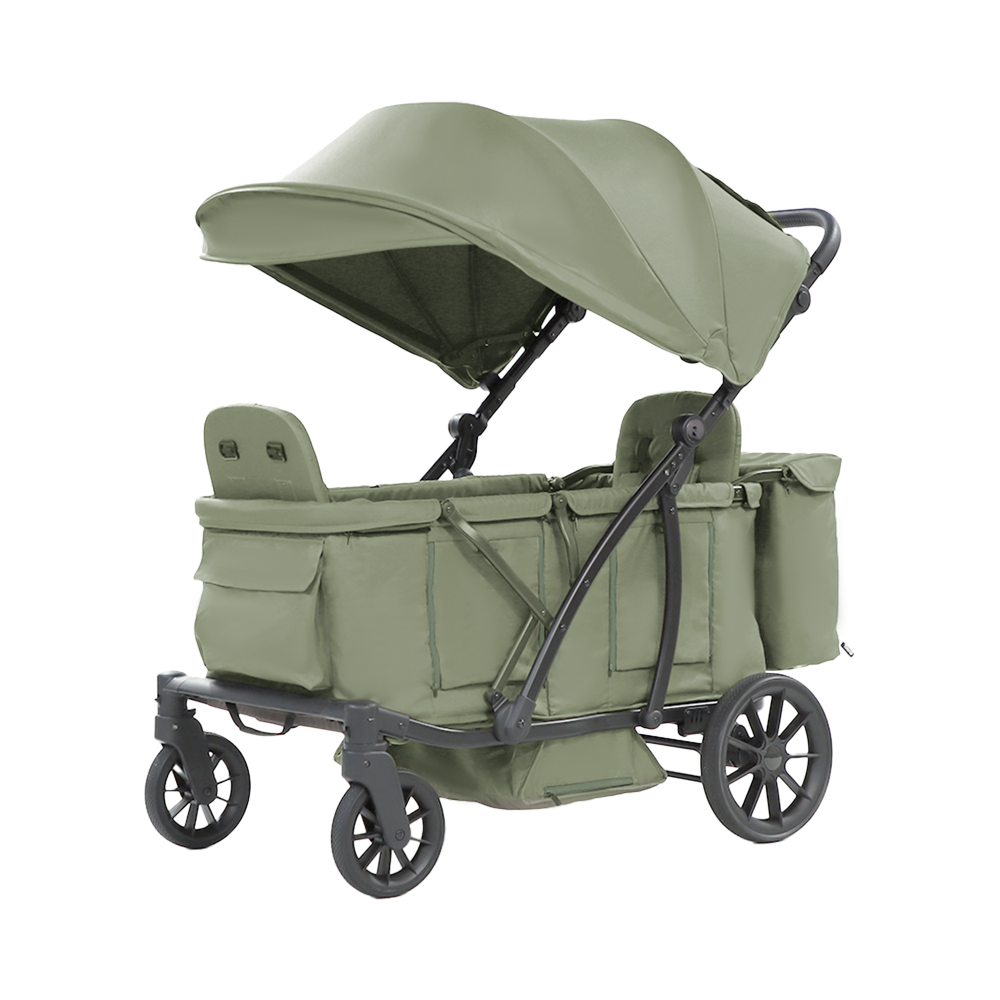
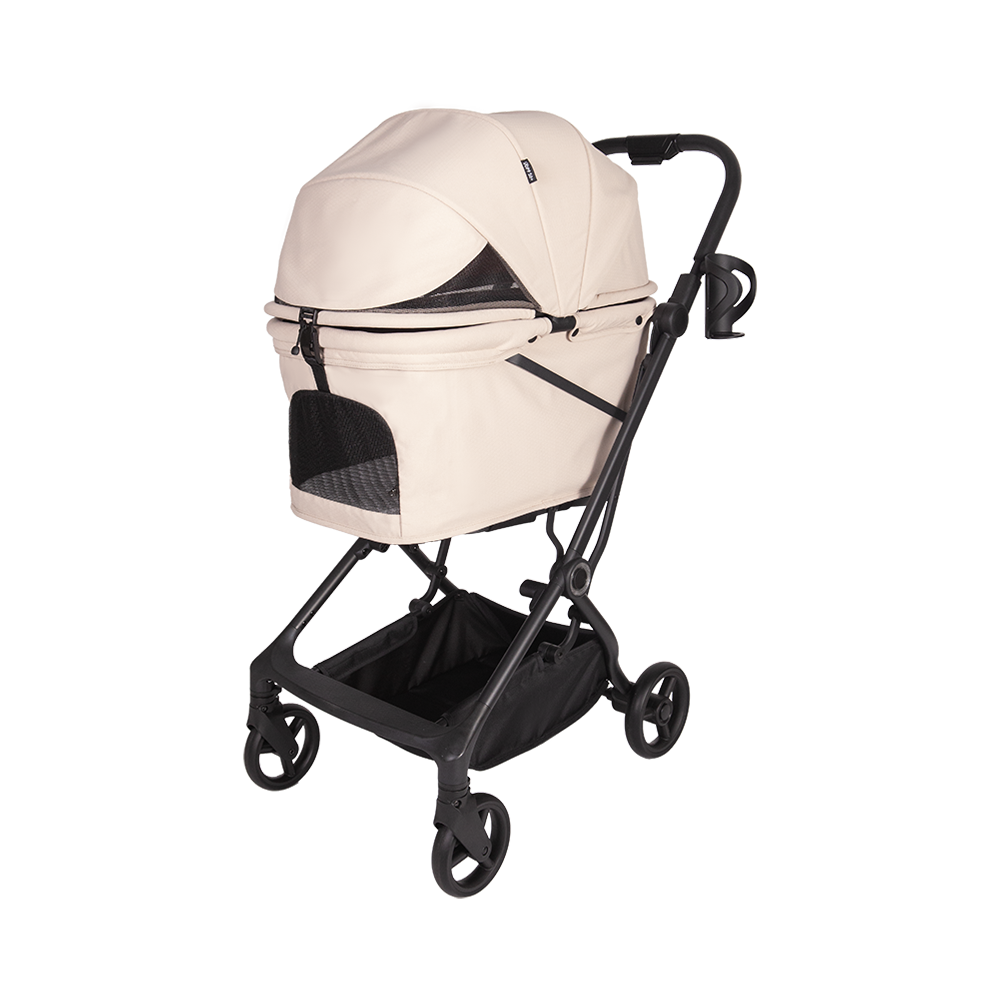
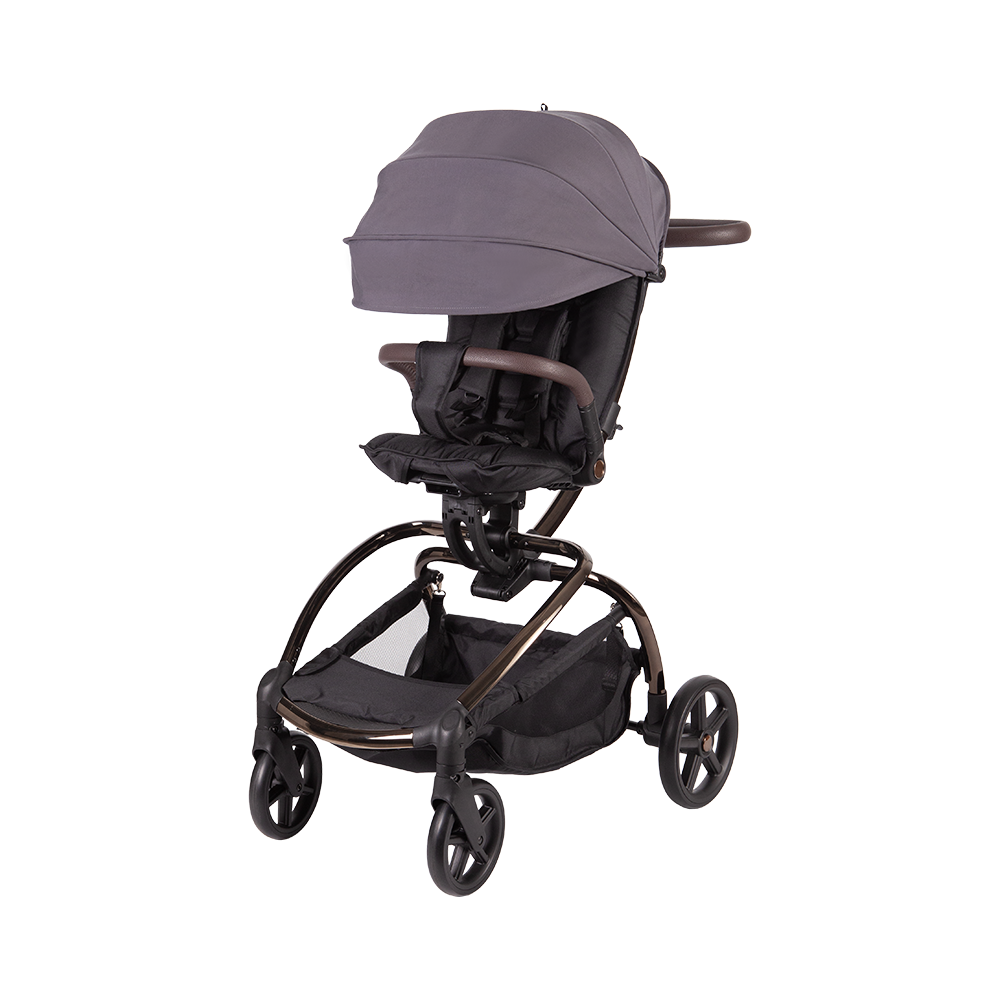
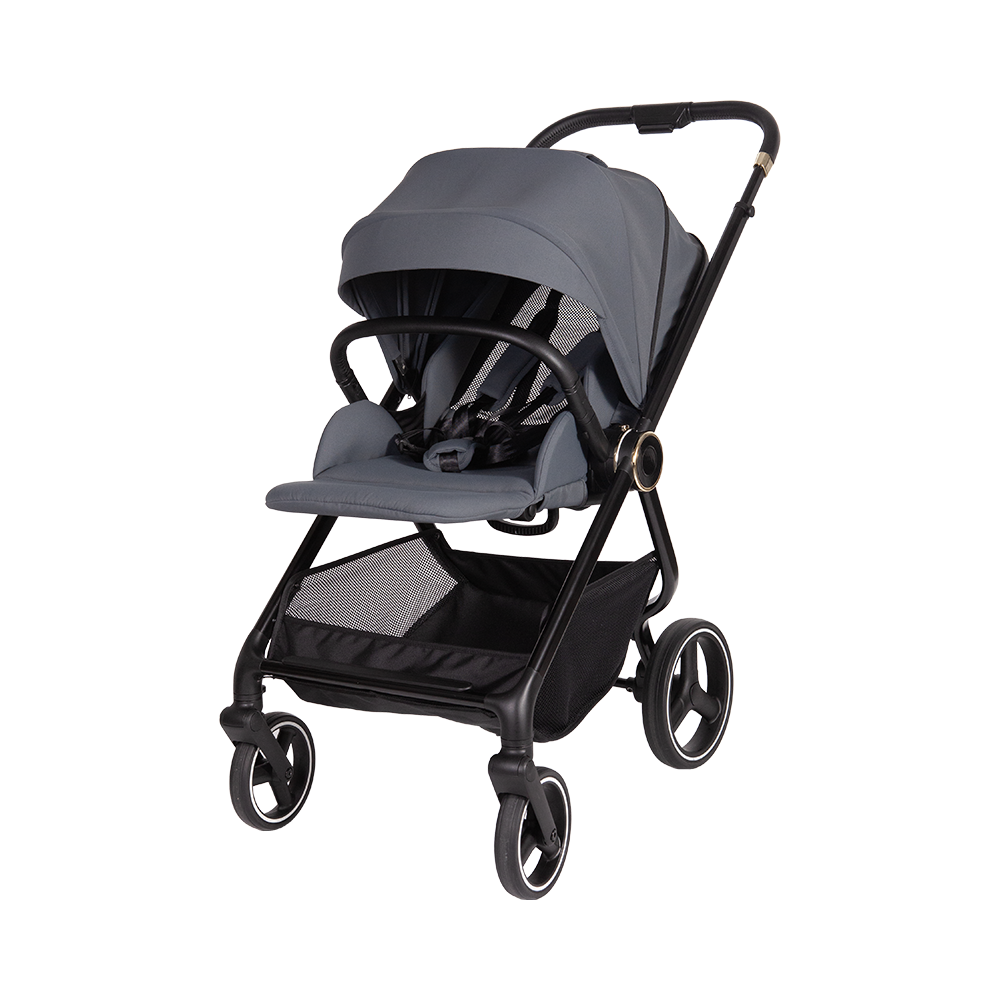


How Does an Outdoor Pet Stroller Perform on Different Terrain Types?
Outdoor activities with pets have become increasingly common, creating higher requirements for pet mobility products. An outdoor pet stroller is designed not only for convenient transportation but also for providing a stable and comfortable riding environment across different surfaces, including urban roads, parks, gravel paths, and outdoor trails. For pet stroller manufacturers, understanding terrain adaptability is an important part of product development, as factors such as wheel structure, frame design, suspension system, and material selection directly influence the user experience.
Performance on Urban Roads and Smooth Pavement
Urban environments are one of the most common application scenarios for outdoor pet strollers. Smooth surfaces such as sidewalks, shopping areas, and residential roads require strollers to provide easy maneuverability, stable movement, and comfortable operation for pet owners. Smaller front wheels with flexible rotation systems can help improve steering control, while durable rear wheels support stable movement during daily walks.
The frame structure also plays an important role when a pet stroller is frequently used on paved roads. A lightweight yet strong frame helps users control the stroller easily while maintaining structural stability. Zhenjiang YKO Child Product Co., Ltd. applies its experience in stroller and safety product manufacturing to focus on product safety, durability, and practical design, supporting the development of reliable mobility solutions for different application needs.
| Terrain Type | Key Design Requirements | Common Performance Considerations |
| Urban pavement | Flexible steering and stable frame | Wheel rotation, braking system, folding convenience |
| Park pathways | Better shock absorption and durability | Wheel material, suspension structure, frame strength |
| Uneven outdoor surfaces | Higher stability and terrain adaptability | Larger wheels, reinforced components, balanced weight distribution |
Adaptability on Grass and Park Trails
Many pet owners use outdoor pet strollers in parks and green spaces where surfaces are less consistent than city roads. Grass, compact soil, and slightly uneven paths require stronger support from the wheel system and frame structure. Larger wheels generally provide better contact with the ground, helping reduce resistance when moving through softer surfaces.
For pet stroller manufacturers, designing products for outdoor environments requires careful consideration of stability and comfort. The stroller should maintain balance while carrying different pet sizes, and the interior space should reduce unnecessary movement during transportation. Ventilation materials, secure attachment systems, and comfortable seating areas are also important elements for longer outdoor use.
Performance on Gravel and Uneven Terrain
Outdoor pet strollers used on gravel roads or uneven paths need stronger shock management capabilities. Small obstacles and surface changes can create vibration during movement, which may affect pet comfort. A suitable suspension system can help absorb part of these impacts and support smoother operation.
Wheel design is another important factor. Wear-resistant materials and reinforced wheel structures can improve durability when the stroller is exposed to rougher environments. Manufacturers need to balance wheel size, stroller weight, and portability to create products that remain practical for both outdoor activities and everyday storage.
| Component | Influence on Outdoor Performance |
| Wheel diameter | Larger wheels can improve movement capability on uneven surfaces and reduce resistance. |
| Frame structure | A stable frame helps maintain safety and balance under different terrain conditions. |
| Suspension system | Helps reduce vibration and supports a more comfortable riding environment. |
| Fabric materials | Weather-resistant fabrics support outdoor use in changing conditions. |
Weather and Outdoor Environment Considerations
Outdoor pet stroller performance is also influenced by weather conditions. Rain, sunlight, and changing temperatures require materials that can maintain durability during repeated outdoor use. Water-resistant fabrics, breathable mesh panels, and protective canopies are commonly considered in outdoor stroller designs.
Environmental responsibility is becoming an important consideration in product development. Manufacturers are increasingly selecting materials and production methods that support durability and reduce unnecessary waste. Through the use of eco-friendly materials and quality-focused manufacturing processes, YKO continues to explore ways to combine product reliability with environmental awareness.
How Pet Stroller Manufacturers Evaluate Terrain Compatibility
Before outdoor pet strollers enter the market, manufacturers usually evaluate different performance factors through product testing and practical assessments. These evaluations may include wheel durability, braking performance, load capacity, folding cycles, and stability tests under different conditions.
For buyers looking for reliable suppliers, understanding a manufacturer's testing process, production capability, and customization experience is important. Pet stroller manufacturers with OEM and ODM capabilities can provide solutions based on different market requirements, including customized materials, product structures, and functional designs for various outdoor applications.
Balancing Mobility, Safety, and Comfort for Outdoor Use
A suitable outdoor pet stroller needs to balance multiple factors rather than focusing on a single feature. Strong terrain adaptability requires cooperation between the wheel system, frame design, safety components, and user-friendly functions. Whether used on city streets, park paths, or outdoor trails, the stroller should provide stable transportation while supporting the comfort and safety needs of pets.
As demand for pet mobility products continues to grow, professional manufacturers are focusing on practical innovation, material selection, and production quality to develop outdoor pet strollers that meet diverse usage scenarios. Experience in stroller manufacturing, safety testing, and international cooperation provides valuable support for creating products that serve global customers.
How Do Wheel Materials Influence Outdoor Pet Stroller Durability?
The wheel system is one of the key components that determines the durability and usability of an outdoor pet stroller. Different outdoor environments create different challenges, including uneven surfaces, moisture, friction, and long-term wear. For pet stroller manufacturers, selecting suitable wheel materials is an important part of product development because wheels directly affect movement stability, maintenance requirements, and the overall service life of the stroller.
The Role of Wheel Materials in Outdoor Pet Stroller Performance
Outdoor pet strollers are often used across multiple environments, such as sidewalks, parks, gravel paths, and outdoor recreational areas. The material used for wheels influences how the stroller responds to different surfaces. A suitable wheel material needs to balance flexibility, wear resistance, load support, and environmental adaptability.
When developing stroller products, manufacturers need to consider not only the pet's comfort but also the user's daily operating experience. Wheel structure, material density, and manufacturing precision all contribute to smoother movement and more reliable performance during outdoor activities.
| Wheel Material | Common Characteristics | Suitable Applications |
| EVA | Lightweight, shock-absorbing, and suitable for regular walking environments | Urban roads, sidewalks, indoor and outdoor daily use |
| PU | Good wear resistance with balanced flexibility | Parks, paved outdoor areas, and frequent walking routes |
| Rubber | Higher grip and better surface adaptation | Uneven roads and outdoor environments requiring stronger traction |
| Inflatable wheels | Provide cushioning through air pressure adjustment | Long-distance outdoor use and more challenging surfaces |
How EVA Wheels Affect Outdoor Pet Stroller Use
EVA wheels are widely used in lightweight outdoor pet strollers because of their low weight and ability to absorb minor impacts. These wheels can help reduce vibration when moving across relatively smooth surfaces, making them suitable for daily walks in residential areas and parks.
For pet stroller manufacturers, EVA wheel selection requires attention to material density and structural design. Wheels that are too soft may experience faster wear, while wheels that are too hard may transfer more vibration to the stroller cabin. A balanced design helps support both mobility and pet comfort during regular outdoor activities.
The Importance of PU and Rubber Wheels for Outdoor Durability
Outdoor environments can expose stroller wheels to continuous friction and changing surface conditions. PU and rubber wheels are commonly considered for applications where durability and traction are important factors. These materials can provide stable contact with the ground and support repeated use on outdoor paths.
Rubber wheels generally provide stronger grip on surfaces that require additional traction, while PU wheels offer a balance between smooth movement and resistance to wear. The selection depends on the intended application, target market, and expected usage frequency.
Wheel Materials and Different Terrain Conditions
The relationship between wheel material and terrain is an important consideration when designing outdoor pet strollers. Smooth pavement requires flexible movement and low rolling resistance, while rough surfaces require stronger impact absorption and structural support.
| Terrain Condition | Wheel Material Considerations | Design Focus |
| City pavement | Lightweight materials with smooth rotation | Easy steering and comfortable daily operation |
| Grass and park paths | Materials with better stability and grip | Reduced resistance and balanced movement |
| Gravel or uneven ground | More durable materials with impact resistance | Shock reduction and structural reliability |
Wheel Design Combined with Frame and Safety Structure
Wheel material alone does not determine the complete performance of an outdoor pet stroller. The connection between wheels, frame structure, braking system, and suspension design also affects durability. A properly matched wheel system helps distribute load more evenly and reduces unnecessary stress on other components.
Zhenjiang YKO Child Product Co., Ltd. focuses on stroller and safety product manufacturing, with experience in product design, material selection, and durability testing. This manufacturing approach supports the development of mobility products where structural reliability and user safety are considered together.
Quality Testing Requirements for Pet Stroller Wheels
Professional pet stroller manufacturers usually evaluate wheel performance through different testing procedures before mass production. These evaluations may include rolling tests, load tests, wear assessments, and braking checks. Testing helps identify how wheel materials perform after repeated outdoor use.
In addition to mechanical performance, manufacturers also need to consider environmental factors. Outdoor products may experience moisture, temperature changes, and long-term exposure to different surfaces. Selecting suitable materials and conducting proper inspections help maintain consistent product quality.
Choosing Suitable Wheel Materials for Different Market Needs
Different regions and customer groups may have different expectations for outdoor pet strollers. Some markets may focus on lightweight designs for urban lifestyles, while others may require stronger outdoor capability for parks and travel scenarios. Therefore, pet stroller manufacturers often provide different wheel configurations based on application requirements.
Through careful material selection, production management, and customization services, manufacturers can create outdoor pet stroller solutions that meet various market demands. Combining practical design with responsible material choices also supports long-term product value and sustainable development.