English
  中文简体
中文简体  Español
  русский
  Deutsch
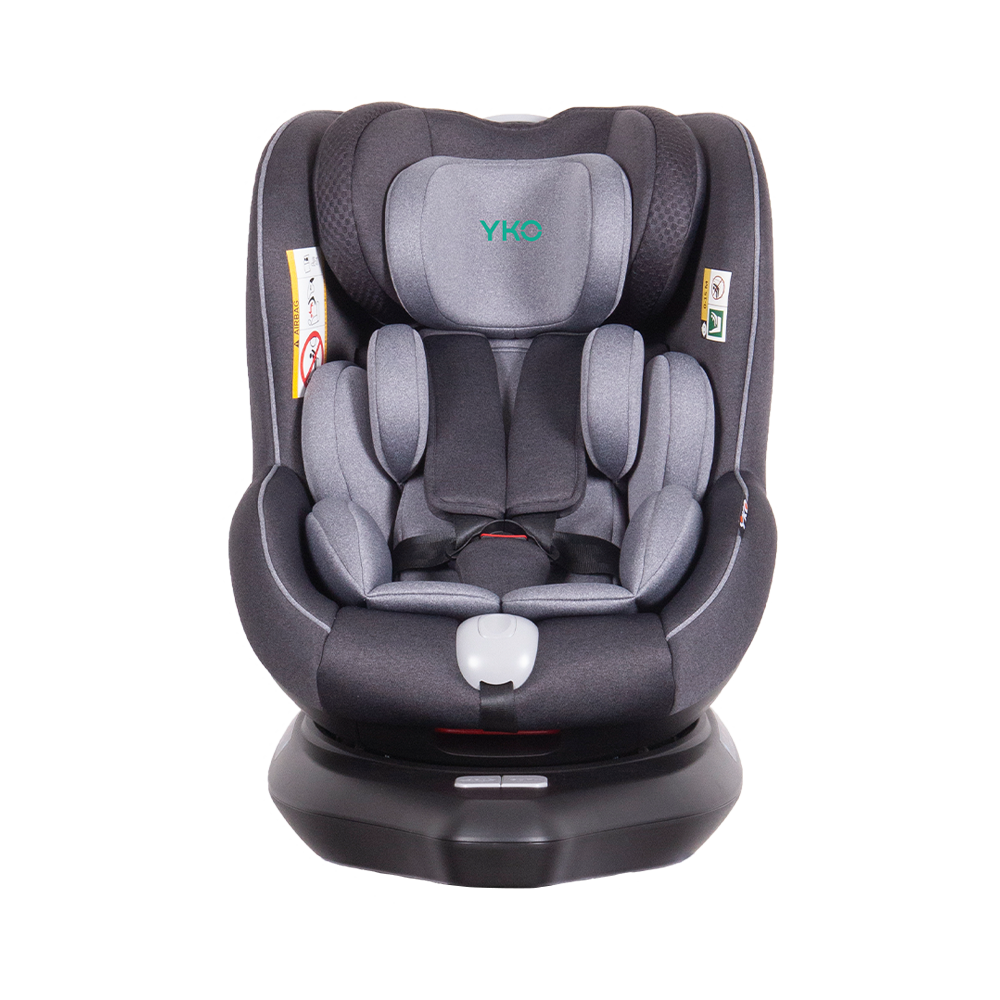
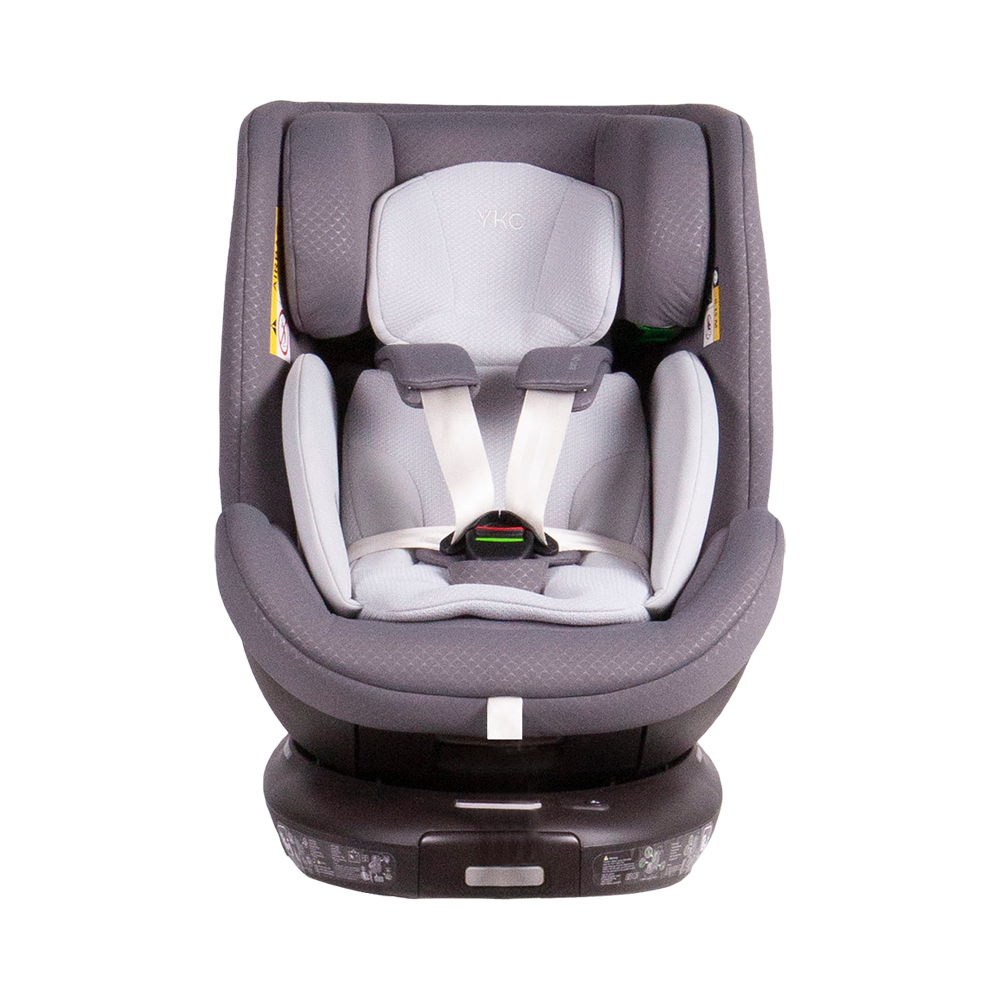
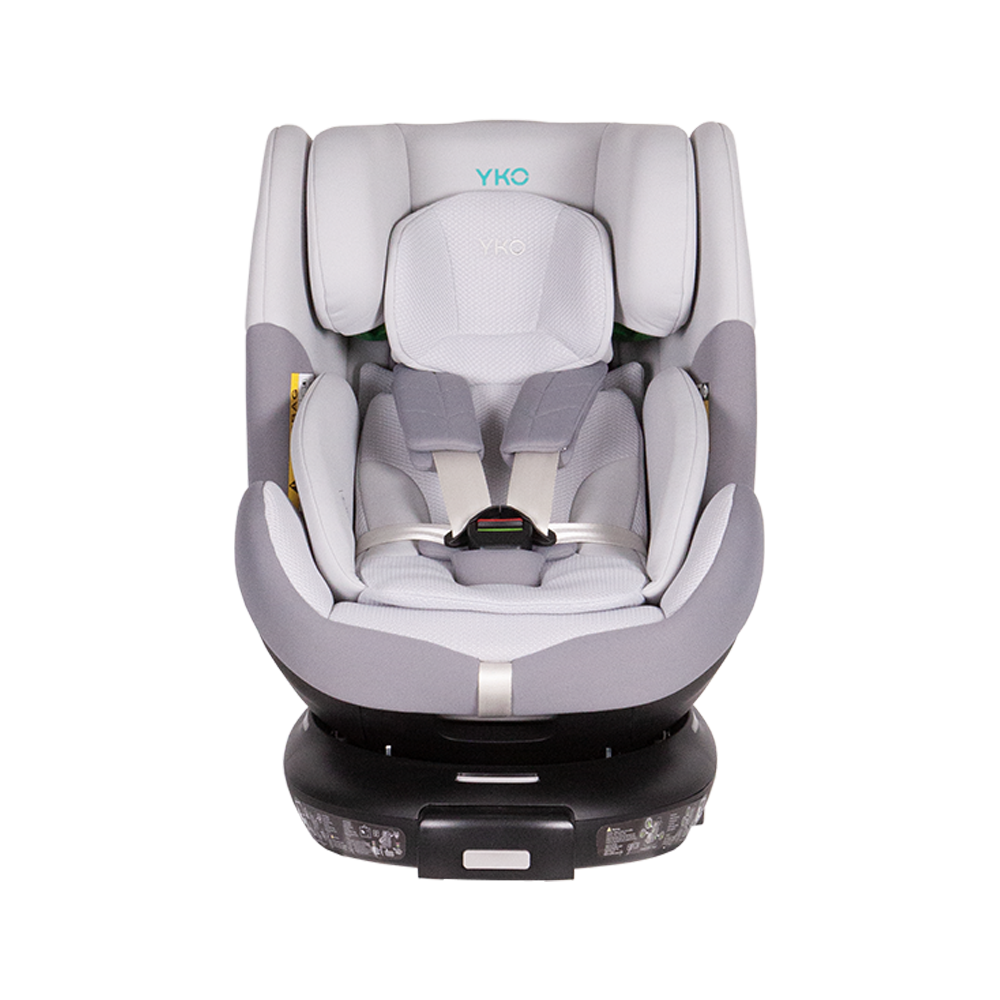
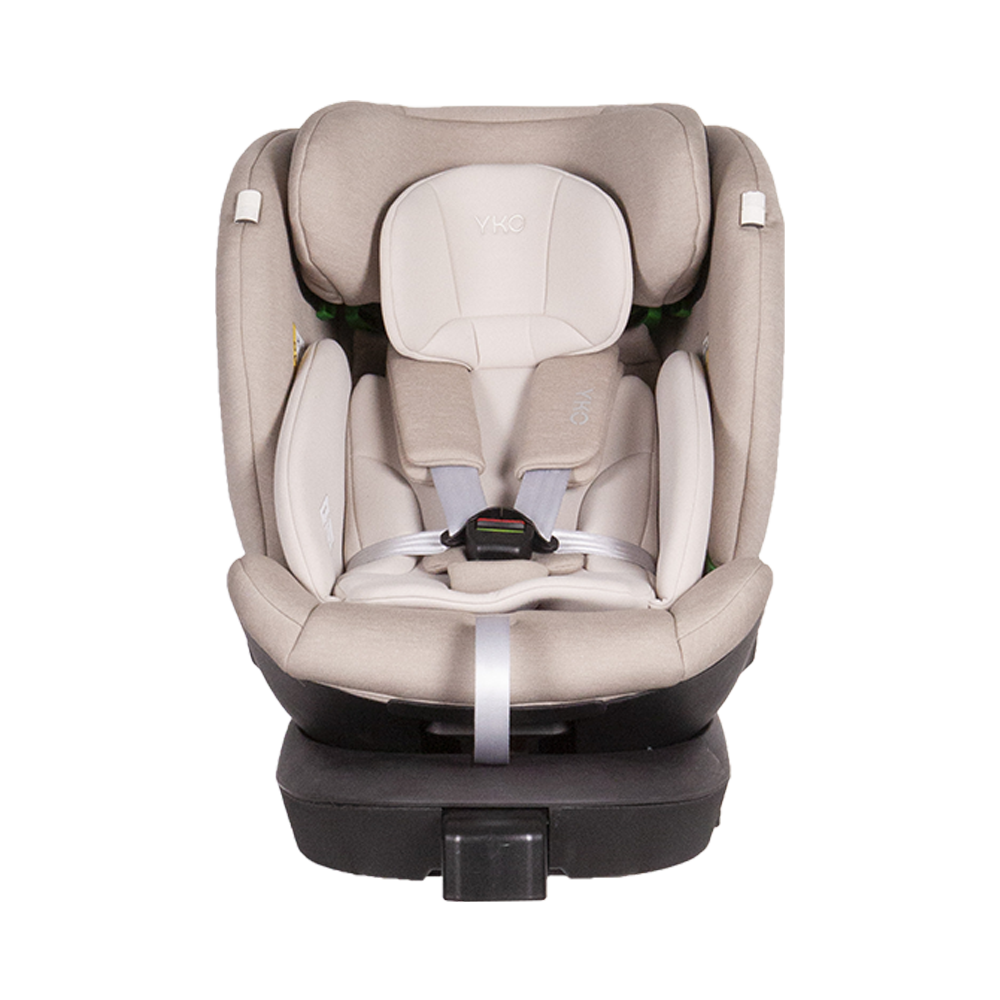


Why Is a Five-Point Harness System Important for Convertible Car Seats?
The Role of a Five-Point Harness System in Child Safety Protection
A five-point harness system is one of the key safety components in convertible car seats because it helps secure a child in a stable seating position during daily travel and unexpected vehicle movements. Unlike traditional restraint methods that only hold the upper body, a five-point harness distributes the restraining force across five contact points, including both shoulders, both hips, and the position between the legs. This design helps reduce excessive movement and supports better protection for children at different growth stages.
For convertible car seats designed to accommodate infants and toddlers, maintaining proper body positioning is an important consideration. Children have different body proportions compared with adults, and their neck, shoulders, and torso require suitable support. A properly designed harness system works together with the seat shell, headrest, and side protection structures to create a more coordinated safety system.
How the Five-Point Harness Design Supports Different Growth Stages
One of the main advantages of convertible car seats is their ability to adapt as children grow. A five-point harness system allows manufacturers to create adjustable configurations that support children from early infancy through toddler years. Features such as adjustable shoulder strap positions, harness height adjustment, and flexible buckle placement help maintain a suitable fit as the child's height and body structure change.
During the product development process, manufacturers need to consider both safety requirements and long-term usability. Zhenjiang YKO Child Product Co., Ltd. focuses on developing child safety seats that combine practical adjustment functions with reliable structural design, allowing products to meet the needs of families who require a seat that can be used through multiple growth stages.
| Design Element | Function in Convertible Car Seats |
| Shoulder Harness Adjustment | Helps maintain proper restraint positioning as children grow taller |
| Hip Belt Position | Supports stable seating posture and helps distribute restraint forces |
| Central Buckle System | Keeps the harness securely connected during travel |
| Harness Padding | Improves comfort during extended periods of use |
Connection Between Harness Systems and Crash Safety Performance
In vehicle collisions or sudden braking situations, a child's body may move forward due to inertia. The five-point harness system is designed to limit this movement by holding the child closer to the seat structure. The effectiveness of this system depends not only on the harness itself but also on the overall seat engineering, including the seat frame, energy-absorbing materials, installation method, and testing procedures.
Modern convertible car seats often combine five-point harness systems with additional safety structures such as side impact protection, reinforced seat shells, and anti-rebound features. These components work together to manage forces during different types of impacts and provide a more comprehensive protection approach for young passengers.
Importance of Harness Quality and Manufacturing Precision
The performance of a five-point harness system depends heavily on material selection, production processes, and quality control. Harness webbing needs to maintain suitable strength, flexibility, and durability during long-term use. Buckle components require consistent operation to ensure convenient daily use while maintaining secure fastening.
As a manufacturer specializing in child safety seats and strollers, YKO integrates safety considerations throughout product research, development, and manufacturing processes. The company applies strict testing procedures for product durability and safety performance, while also paying attention to environmentally responsible material choices and efficient production practices.
How Harness Design Affects User Experience
Safety features also need to consider daily usability. Parents frequently install, adjust, and secure children in car seats, so the harness system should provide a balance between secure restraint and convenient operation. A complicated adjustment process may increase the possibility of incorrect use, while an intuitive design helps caregivers achieve proper installation and fitting.
Comfort is another important factor. Soft harness covers, smooth adjustment mechanisms, and ergonomic seat designs can improve the child's experience during longer journeys. For global markets, manufacturers also need to consider differences in climate, usage habits, and regulatory expectations when developing convertible car seats.
Five-Point Harness Systems and Global Safety Requirements
Convertible car seat manufacturers must consider various international safety requirements when designing restraint systems. Testing procedures typically evaluate factors such as harness strength, buckle performance, structural durability, and protection during simulated impact conditions. Meeting these requirements requires continuous improvement in engineering, manufacturing control, and product testing capabilities.
| Evaluation Area | Key Considerations |
| Harness Strength | Ability to withstand forces during dynamic testing |
| Buckle Reliability | Secure locking and practical daily operation |
| Adjustment System | Suitable fitting for different child sizes |
| Material Durability | Long-term performance under repeated use |
Future Development Trends of Five-Point Harness Systems
With increasing attention toward child travel safety, convertible car seat designs continue to evolve. Future development trends include lighter structural designs, improved ergonomic adjustment systems, more sustainable materials, and enhanced compatibility with different vehicle environments. Manufacturers are also exploring ways to combine safety functions with greater convenience for parents.
For companies engaged in ODM and OEM production, continuous innovation in harness design is an important part of meeting changing market demands. By focusing on safety engineering, environmental responsibility, and user-oriented development, manufacturers can provide reliable child travel solutions for families worldwide.
How Does the Side Impact Protection System Improve Safety Performance in Convertible Car Seats?
The Importance of Side Impact Protection in Convertible Car Seat Design
Side impact protection is an important consideration in the development of modern convertible car seats because side collisions create different safety challenges compared with frontal impacts. During a side collision, the distance between the child and the vehicle door area is usually limited, which means the car seat needs to manage impact forces through its structure and protective components.
A well-designed side impact protection system helps reduce the direct transfer of external forces to the child by combining impact-absorbing materials, reinforced structures, and ergonomic support areas. For convertible car seats that are designed for long-term use from infancy to toddler stages, side protection needs to maintain effective performance while adapting to different body sizes and seating positions.
How Side Impact Protection Structures Work
The side impact protection system of a convertible car seat typically includes protective side wings, reinforced seat shells, energy-absorbing materials, and adjustable head support structures. These components are designed to create a protective area around the child's head, shoulders, and upper body.
When a side impact occurs, the outer protective structure helps absorb and manage part of the collision energy before it reaches the child seating area. The inner support structure then works together with harness systems to help maintain a stable seating position. This integrated approach allows manufacturers to improve overall safety design without relying on a single component.
| Side Protection Component | Main Function |
| Reinforced Side Wings | Create additional protection around the child's upper body area |
| Energy-Absorbing Materials | Help manage impact forces through controlled deformation |
| Adjustable Headrest Structure | Provides suitable head positioning for children at different growth stages |
| Strong Seat Shell | Supports overall structural stability during impact conditions |
The Relationship Between Side Impact Protection and Convertible Car Seat Structure
Side impact protection cannot work independently from the overall construction of a convertible car seat. The seat frame, harness system, installation method, and protective materials must be designed as a complete safety system. A strong seat shell provides the foundation, while the side protection elements help improve the way impact forces are managed.
During product development, manufacturers need to balance safety requirements with comfort and usability. Excessive structural thickness may affect weight and installation convenience, while insufficient protection may reduce the ability to manage side forces. Therefore, engineering design requires careful consideration of materials, structure layout, and practical usage conditions.
Material Selection for Effective Side Impact Protection
Material selection plays an important role in the performance of side impact protection systems. Different materials have different abilities to absorb energy, maintain strength, and support long-term durability. For child safety seats, manufacturers need to consider not only impact performance but also environmental requirements and product lifespan.
Zhenjiang YKO Child Product Co., Ltd. focuses on developing child safety seats and strollers by combining safety design with environmentally responsible manufacturing practices. The company uses suitable materials and production processes to support product durability while meeting the expectations of global markets.
| Material Consideration | Impact on Product Development |
| Impact Absorbing Materials | Help reduce the energy transferred through the seat structure |
| Durable Plastic Components | Support long-term structural reliability during daily use |
| Eco-Friendly Materials | Support sustainable product development goals |
| Comfort Fabrics | Improve user experience during extended travel periods |
Side Impact Protection for Different Child Growth Stages
Convertible car seats are designed to accommodate children as they grow, so side impact protection systems need to provide suitable support across different stages. Infants require more head and body support, while older toddlers need adjustable structures that can adapt to increased height and weight.
Adjustable headrests and side support areas allow manufacturers to create products that maintain protective positioning over a longer usage period. This flexibility is one of the important reasons why convertible car seats are widely selected by families looking for long-term travel solutions.
Testing and Quality Control of Side Impact Protection Systems
To ensure reliable safety performance, side impact protection systems require testing throughout the product development and manufacturing process. Testing usually evaluates structural strength, material durability, restraint performance, and the interaction between different safety components.
For manufacturers involved in ODM and OEM production, quality control is essential because different markets may have specific safety requirements and product expectations. Through continuous testing and process improvement, manufacturers can develop convertible car seats that provide consistent protection and usability for families worldwide.
Future Trends in Side Impact Protection Technology
The development of side impact protection systems continues to focus on combining safety, comfort, lightweight construction, and sustainability. Future convertible car seats may adopt more advanced material solutions, improved structural designs, and smarter adjustment functions to provide better adaptation to different travel environments.
As the global demand for safer and more environmentally responsible child products increases, companies with strong research, development, and manufacturing capabilities are expected to continue improving safety seat technologies. Through innovation and responsible production methods, YKO supports the development of child travel products that focus on both child protection and sustainable manufacturing.