English
  中文简体
中文简体  Español
  русский
  Deutsch
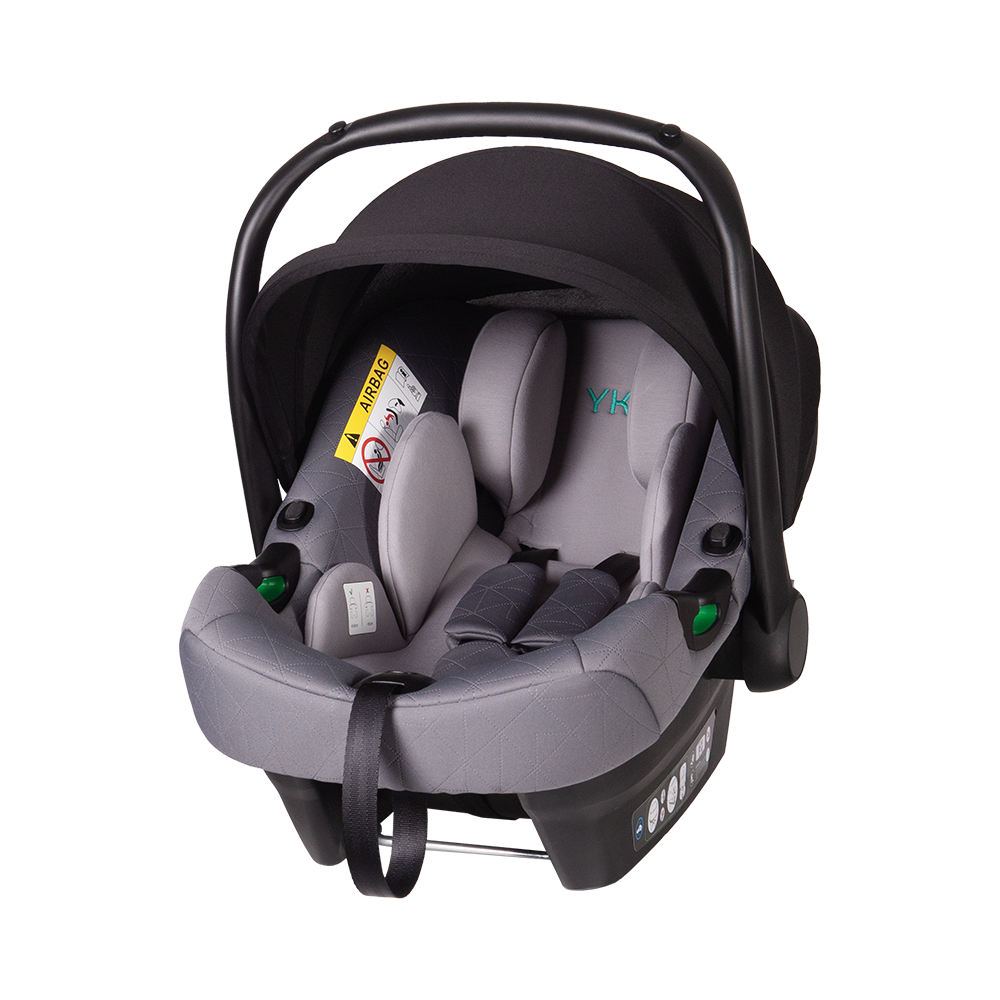
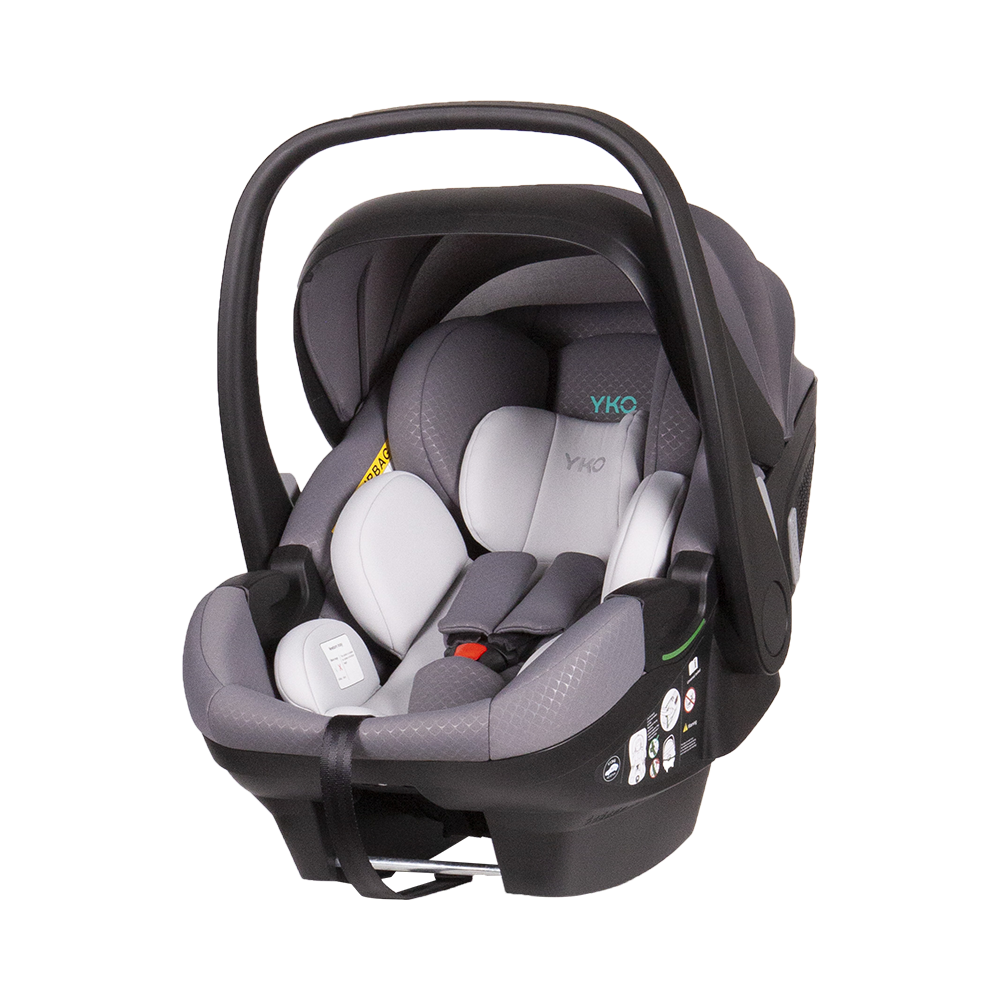
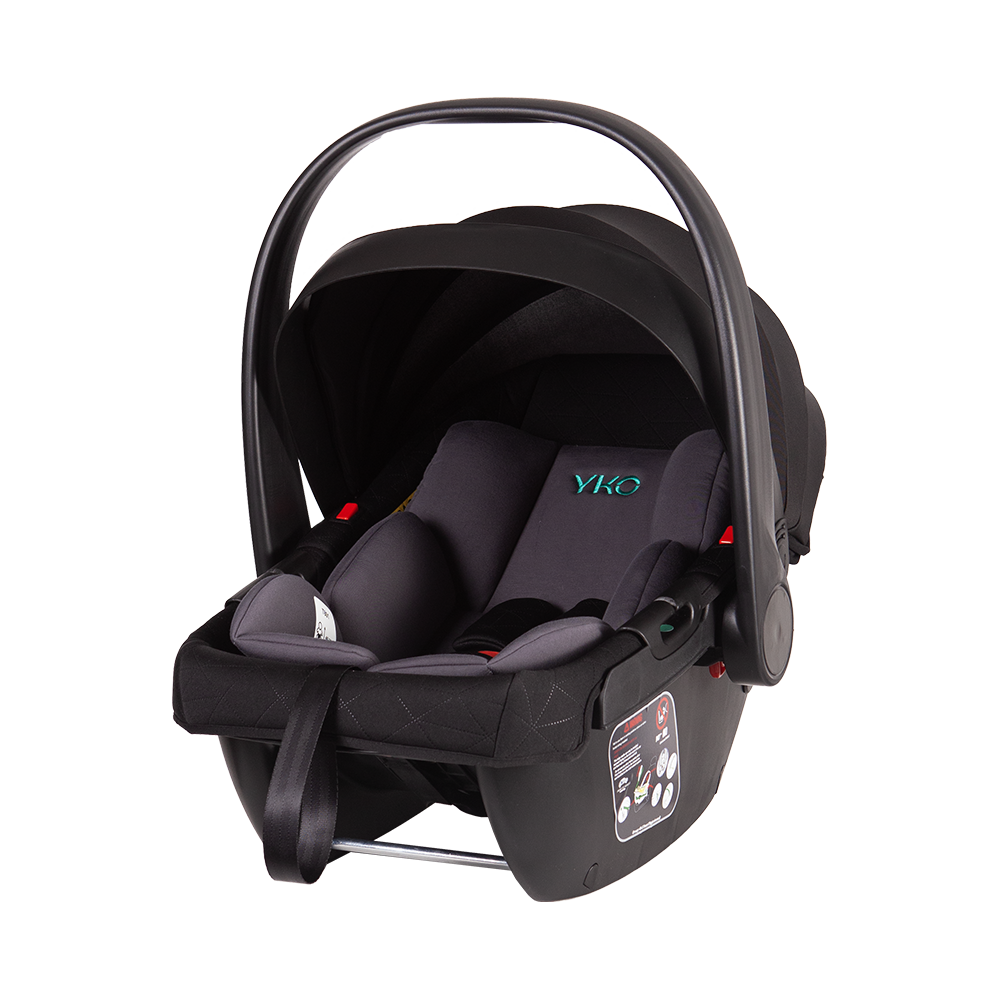


How Do Load Legs and Anti-Rebound Bars Improve Infant Car Seat Safety?
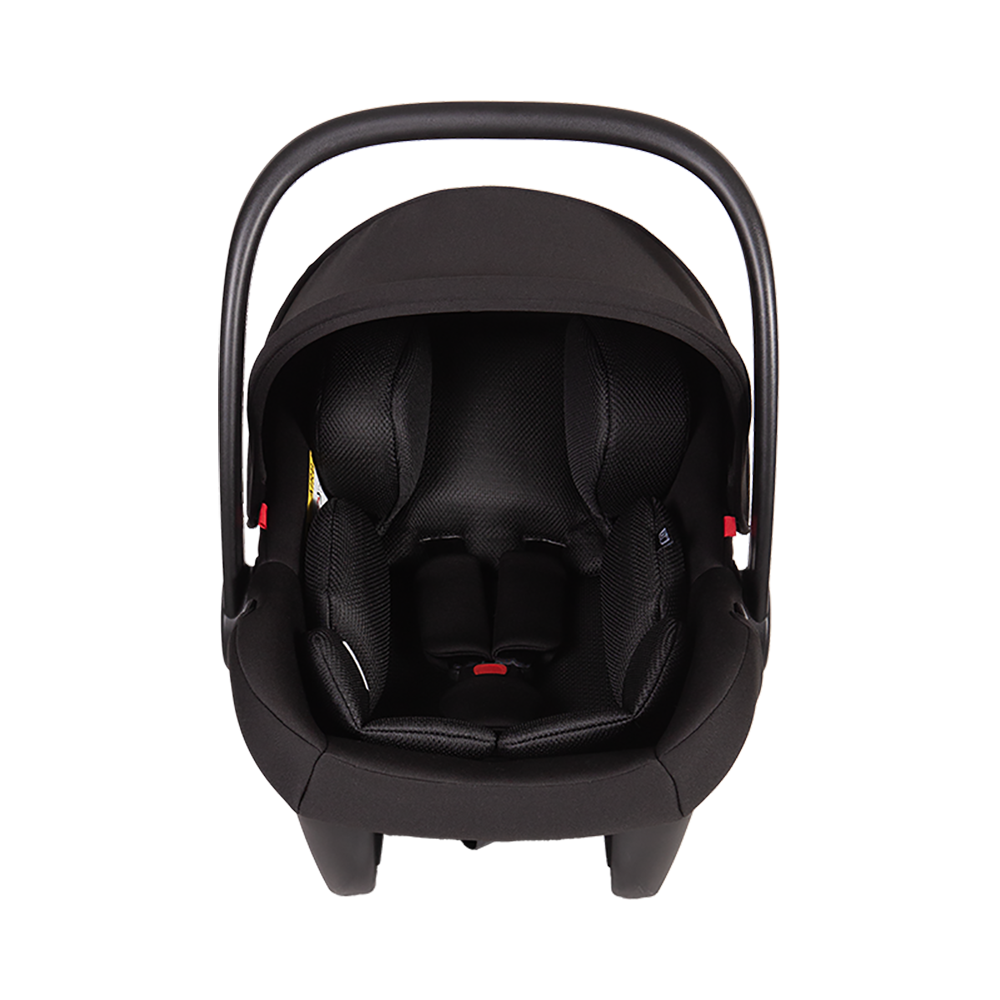
Infant car seat safety is closely related to how effectively a seat can manage crash forces and maintain a stable protective position during vehicle movement. As safety regulations continue to evolve, manufacturers are focusing not only on the basic structure of child restraints but also on additional safety components that help reduce movement during collisions. Load legs and anti-rebound bars have become important design elements in modern infant car seats because they provide additional support and help improve the overall stability of the seat installation.
The Role of Load Legs in Reducing Crash Movement
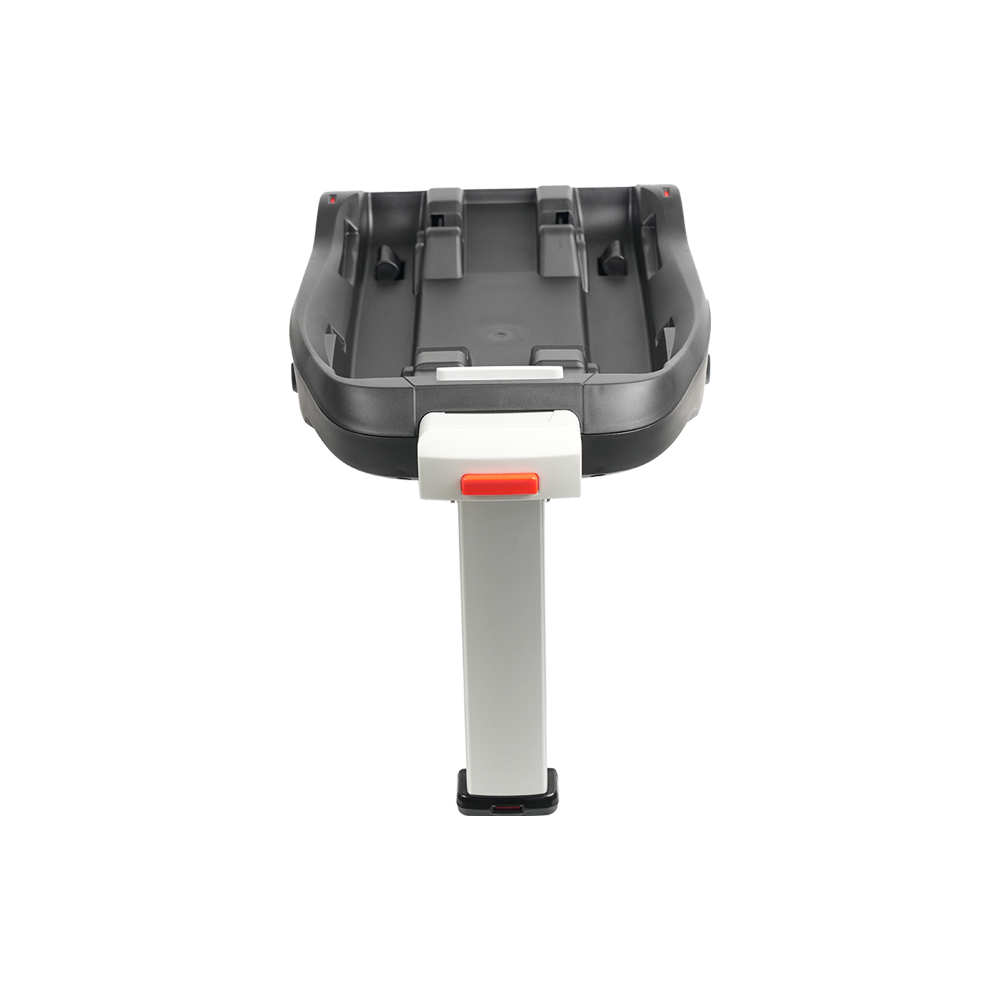
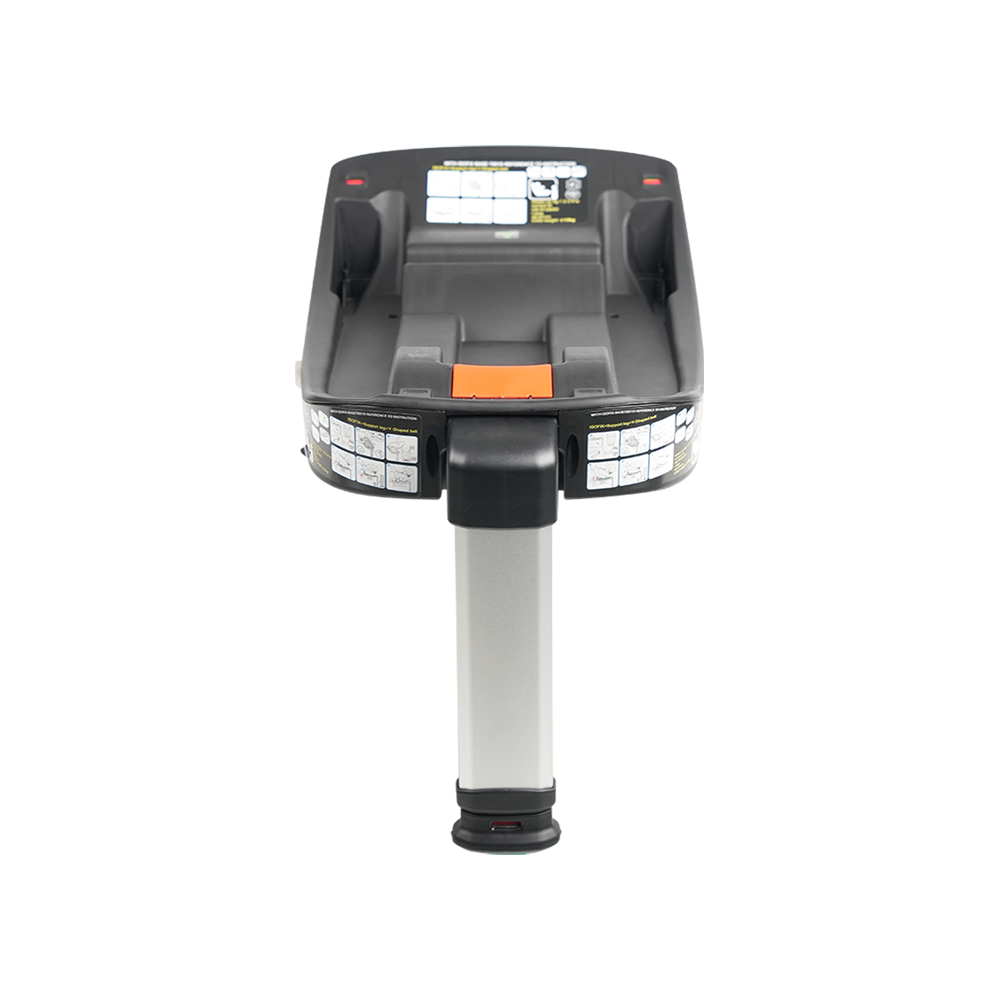
A load leg is a support component that extends from the base of an infant car seat to the vehicle floor. During a collision, the load leg helps transfer part of the impact force away from the seat structure and into the vehicle floor. This additional contact point reduces the rotation of the car seat and helps maintain a more controlled movement path.
When a vehicle experiences a sudden impact, the infant car seat may naturally move forward and rotate due to inertia. A properly designed load leg can help limit this forward and downward movement by creating a stronger connection between the car seat base and the vehicle structure. This is especially important for rear-facing infant car seats, where maintaining the correct seating angle is necessary for protecting a baby's head, neck, and upper body.
| Component | Main Function | Safety Consideration |
| Load Leg | Provides additional support between the car seat base and vehicle floor | Helps reduce rotation and improve installation stability |
| Anti-Rebound Bar | Controls backward movement after impact | Helps limit rebound travel and maintains seat positioning |
How Anti-Rebound Bars Help Control Seat Rebound
An anti-rebound bar is usually positioned on the rear side of a rear-facing infant car seat base. Its main function is to help manage the movement of the seat after the initial collision force has been absorbed. During a crash, the seat may move toward the vehicle seatback before rebounding in the opposite direction. The anti-rebound bar works as a contact point that helps reduce excessive backward movement.
By controlling rebound motion, this structure helps keep the infant car seat closer to its original installation position. This can contribute to a more stable protective environment, especially during repeated movement phases that occur during a collision event.
Why Stability Matters in Rear-Facing Infant Car Seats
Rear-facing installation is widely used for infants because it supports the child's body by distributing crash forces across the back of the seat. However, the seat structure must remain stable to provide consistent protection. Additional support systems such as load legs and anti-rebound bars are designed to work together with the main seat shell, harness system, and installation mechanism.
For manufacturers developing infant car seats for different global markets, structural stability is an important part of product engineering. Zhenjiang YKO Child Product Co., Ltd. focuses on the research, development, and manufacturing of child safety seats and strollers, with product designs developed around safety, comfort, and practical use requirements for families in different regions.
Integration of Load Legs and Anti-Rebound Bars in Product Design
The integration of these components requires careful consideration of vehicle compatibility, installation convenience, and product durability. A load leg needs to provide stable support while allowing adjustment for different vehicle floor heights. An anti-rebound bar needs to maintain reliable contact without affecting daily installation and removal operations.
Manufacturers also need to evaluate how these components interact with other parts of the car seat. The base structure, connection points, adjustment systems, and materials all influence the final performance of the product. Through engineering development and repeated testing, manufacturers can improve the reliability of these safety features in practical applications.
| Design Factor | Influence on Infant Car Seat Development |
| Vehicle Compatibility | Determines whether support components can fit different vehicle structures |
| Adjustment Mechanism | Allows proper positioning for different installation environments |
| Material Selection | Affects durability, strength, and long-term product performance |
| Testing Process | Verifies structural reliability under different usage conditions |
Testing Requirements for Load Legs and Anti-Rebound Structures
Before infant car seats enter international markets, manufacturers need to evaluate the performance of safety-related components through different testing procedures. These tests generally include impact simulations, durability assessments, and installation verification. The purpose is to confirm that the load leg and anti-rebound bar can maintain their intended function during different stress conditions.
In addition to safety testing, long-term durability is also an important consideration. Components used frequently by families need to maintain stable performance after repeated adjustments and daily use. Environmental factors, material aging, and mechanical wear should also be considered during product development.
The Importance of Materials and Manufacturing Control
The performance of load legs and anti-rebound bars depends not only on their design but also on the materials and manufacturing processes used. Structural parts require suitable strength and durability, while other components need to maintain smooth operation and user convenience.
With experience in OEM and ODM cooperation, YKO develops child safety seats and related products with attention to material selection, manufacturing consistency, and global market requirements. The company also emphasizes eco-friendly materials and energy-efficient production methods, balancing child safety requirements with environmental considerations.
FAQ
Q: What safety features should brands evaluate when sourcing an infant car seat for global markets?A: When selecting an infant car seat, brands should consider safety structures, impact protection design, harness systems, installation methods, material quality, and compliance with regional safety requirements. A reliable infant car seat should be developed through professional engineering and durability testing to ensure stable performance in different usage conditions. Zhenjiang YKO Child Product Co., Ltd. focuses on the research, development, and manufacturing of child safety seats, providing OEM and ODM solutions that combine safety, comfort, and practical design.
Q: How does an infant car seat design support comfort during long-distance travel?A: Comfort in an infant car seat depends on multiple design factors, including ergonomic support, adjustable headrests, breathable fabrics, cushioning materials, and suitable seating angles. Since infants spend extended periods in the seat during travel, manufacturers need to balance body support with ventilation and convenience. YKO develops child safety products with attention to both user experience and safety requirements, helping families achieve a more comfortable travel environment.
Q: What testing processes are important for ensuring the reliability of an infant car seat?A: The reliability of an infant car seat is evaluated through different testing procedures, including structural strength assessments, impact simulations, harness durability tests, and long-term usage evaluations. These processes help manufacturers verify that product components maintain consistent performance throughout their service life. With a professional team and manufacturing experience, Zhenjiang YKO Child Product Co., Ltd. applies strict quality control and testing procedures to support international product requirements.
Q: How do eco-friendly materials influence the development of modern infant car seats?A: Eco-friendly materials are becoming an important consideration in infant car seat manufacturing as brands and consumers pay more attention to sustainable product development. Suitable materials need to meet safety requirements while also supporting durability and reduced environmental impact. YKO integrates environmentally responsible concepts into child product manufacturing by using eco-friendly materials, improving production efficiency, and designing products with long-term usability in mind.
Q: What customization options can OEM partners request for infant car seat projects?A: OEM partners may customize infant car seat products based on market requirements, including appearance design, fabric selection, functional configurations, packaging solutions, and product specifications. Professional manufacturers need to provide support throughout product development, from concept design and engineering adjustments to production quality management. With ODM and OEM cooperation experience, Zhenjiang YKO Child Product Co., Ltd. works with partners to develop child safety seats and strollers suitable for different regions and customer needs.