English
  中文简体
中文简体  Español
  русский
  Deutsch


What Makes a Booster Seat Suitable for Long-Distance Travel?
Long-distance travel places higher requirements on child restraint systems compared with short daily trips. A booster seat used for extended journeys needs to provide stable support, comfortable seating, reliable safety performance, and practical features that help children remain properly positioned throughout the trip. For manufacturers and brand buyers, developing a suitable booster seat requires careful consideration of ergonomics, structural design, material selection, testing procedures, and user experience.
Ergonomic Design for Extended Sitting Comfort
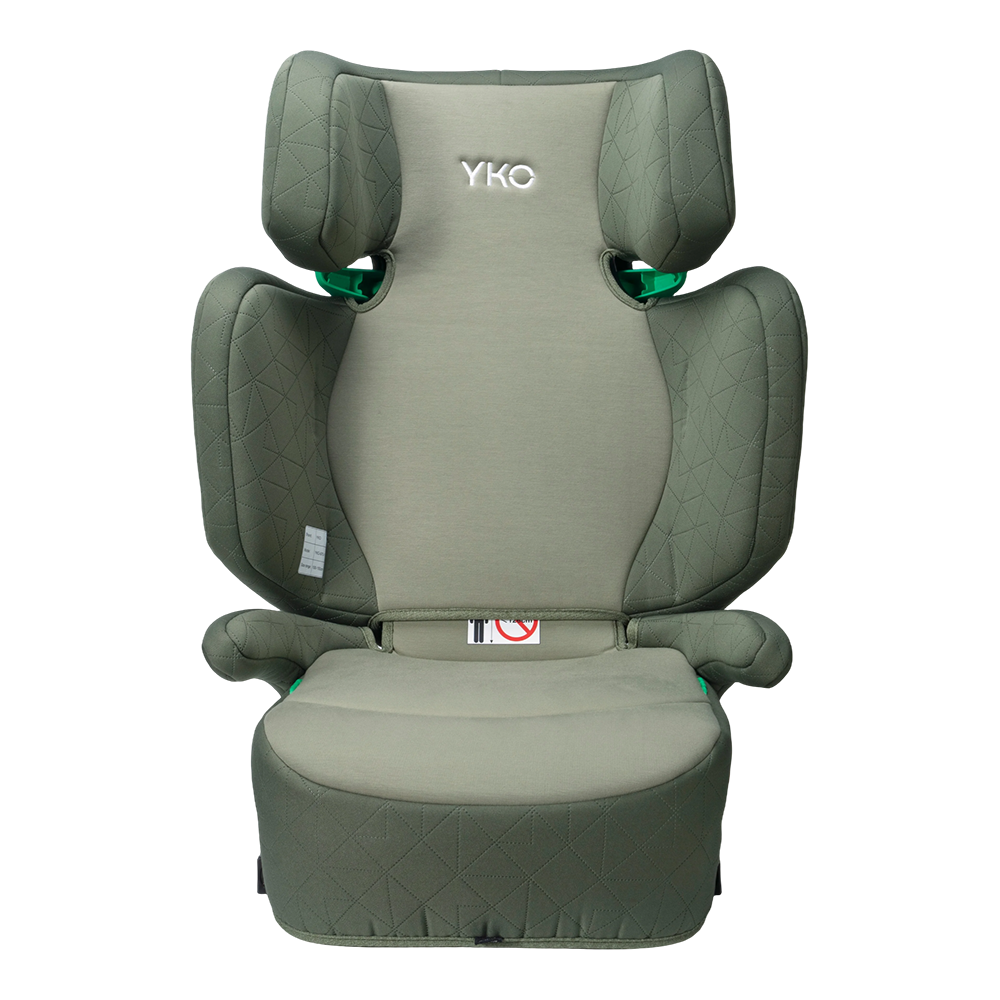
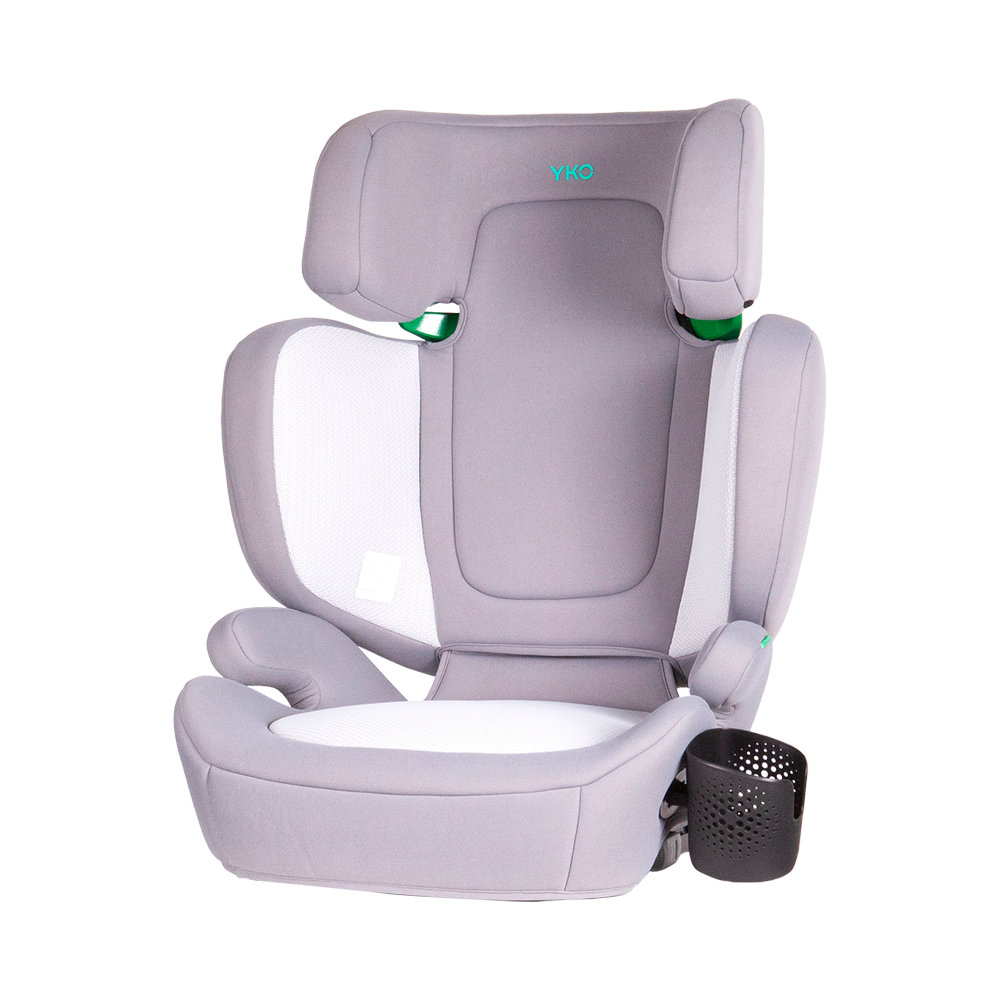
During long-distance travel, children may remain seated for several hours, making ergonomic design an important factor in booster seat development. A well-designed high back booster car seat should provide appropriate support for the child's back, shoulders, and head while helping maintain a natural sitting posture.
The seat cushion shape, backrest angle, and headrest structure all influence comfort during extended use. Proper support can help reduce pressure points and allow children to sit more comfortably during road trips. Adjustable components are also important because children grow quickly, and a flexible design allows the booster seat to adapt to different body sizes over time.
| Design Element | Function in Long-Distance Travel |
| Adjustable headrest | Provides head and neck support for children at different growth stages |
| Contoured seat cushion | Improves sitting stability and reduces discomfort during long periods of use |
| High back structure | Offers additional upper-body support and helps guide proper seating posture |
| Breathable fabrics | Helps improve comfort during extended journeys |
Safety Structure Designed for Real Driving Conditions
A booster seat suitable for long journeys must maintain stable protection during different driving situations, including sudden braking, turning, and changing road conditions. The structural design of a high back booster car seat plays an important role in supporting correct belt positioning and improving overall stability.
Professional booster seat factories focus on integrating safety considerations into every stage of product development. The shell structure, side protection design, belt guide position, and connection system all need to work together to support reliable performance. At Zhenjiang YKO Child Product Co., Ltd., product development combines engineering experience with safety requirements to create child safety products designed for daily transportation and longer travel scenarios.
The Importance of Proper Belt Positioning During Long Trips
One of the key functions of a booster seat is to help position the vehicle seat belt correctly according to the child's height and body structure. During long-distance travel, children may change their sitting posture because of fatigue or movement, so a well-designed belt guidance system becomes especially important.
A high back booster car seat usually includes shoulder belt guides and seat positioning features that help keep the belt located in the correct area. Manufacturers need to consider how different children interact with the seat and how the design supports consistent belt placement during real-world use.
| Feature | Consideration for Manufacturers |
| Shoulder belt guide | Helps maintain appropriate belt routing as children sit and move |
| Seat depth design | Supports stable sitting posture during longer journeys |
| Backrest support | Helps children maintain a more suitable position inside the vehicle |
Material Selection for Comfort, Safety, and Durability
Material selection directly affects the usability of a booster seat. For products designed for frequent and extended travel, manufacturers need to balance durability, comfort, environmental considerations, and production requirements.
The main structure commonly requires strong and lightweight materials, while cushioning materials and fabrics need to provide comfortable contact with children. Eco-friendly material selection is also becoming an important consideration for global markets, as customers increasingly focus on sustainable production practices.
With experience in child safety seat and stroller manufacturing, YKO integrates material evaluation, production management, and quality control processes to develop products that meet different market requirements while considering long-term usability.
Testing Procedures for Booster Seats Used in Long-Distance Travel
Before mass production, a professional booster seat factory needs to conduct multiple evaluations to verify product reliability. Long-distance travel products must be able to withstand repeated daily use, temperature changes, and different usage conditions.
Testing processes generally include structural durability checks, component inspections, safety performance evaluation, and product aging assessments. These procedures help manufacturers identify potential issues during product development and improve design reliability before shipment.
| Testing Area | Purpose |
| Structural durability testing | Checks whether the seat maintains its function after repeated use |
| Component inspection | Ensures parts such as adjustment mechanisms and connectors operate properly |
| Material evaluation | Assesses durability and suitability of selected materials |
| Safety performance testing | Verifies product design according to applicable market requirements |
How OEM Booster Seat Factories Support Different Market Requirements
Global buyers often require booster seats with different configurations depending on regional regulations, customer preferences, and market positioning. A capable OEM manufacturer needs to provide flexible solutions, including product customization, design adjustments, material selection, and packaging support.
For international brands, cooperation with an experienced booster seat factory can reduce development difficulties and improve supply chain efficiency. Manufacturers with ODM and OEM experience can support customers from initial concept development through production, helping create products suitable for different markets.
Eco-Friendly Manufacturing Considerations in Modern Booster Seat Production
Sustainability has become an important factor in child product manufacturing. Modern booster seat development not only focuses on child safety but also considers environmental impact throughout the production process.
Using recyclable materials where appropriate, improving production efficiency, and designing durable products that can be used for longer periods are approaches adopted by manufacturers to reduce waste. Companies involved in child safety products are increasingly combining safety engineering with responsible manufacturing practices to meet evolving customer expectations.
Key Factors Buyers Evaluate When Selecting a Booster Seat Supplier
When purchasing booster seats for retail or brand programs, buyers usually evaluate more than product appearance. They consider manufacturing capability, quality management, customization support, export experience, and the ability to meet different market requirements.
| Evaluation Factor | Why It Matters |
| Manufacturing experience | Reflects production capability and understanding of child safety products |
| OEM and ODM capability | Supports customized product development for different markets |
| Quality control system | Helps maintain consistency during large-scale production |
| Material and design capability | Supports safer and more comfortable product solutions |
FAQ
Q: How Does a High Back Booster Car Seat Improve Child Safety During Daily and Long-Distance Travel?
A: A high back booster car seat is designed to provide better support for children's upper body, head, and shoulder areas while helping maintain proper seat belt positioning. Its structure, side support design, and adjustable features can improve seating stability during different driving conditions. As a professional child safety seat manufacturer, Zhenjiang YKO Child Product Co., Ltd. focuses on combining safety engineering with ergonomic design to develop booster seats suitable for various travel scenarios.
Q: What Should Brands Consider When Choosing a Reliable Booster Seat Factory?A: Brands usually evaluate a booster seat factory based on manufacturing experience, quality control processes, customization capability, and compliance with international market requirements. A reliable supplier should have experience in product development, material selection, testing procedures, and OEM/ODM cooperation. Manufacturers with professional production systems can provide more flexible solutions for different markets and customer requirements.
Q: How Does Material Selection Affect the Performance of a High Back Booster Car Seat?A: Material selection influences the durability, comfort, weight, and overall usability of a high back booster car seat. The seat shell requires suitable strength and stability, while cushioning materials and fabrics need to support children's comfort during extended use. YKO considers eco-friendly materials, product durability, and production efficiency during the manufacturing process to create child safety products that balance user needs with environmental considerations.
Q: What Quality Control Processes Are Important for Booster Seat Manufacturing?A: Professional booster seat manufacturers need to conduct quality inspections throughout the production process, including material checks, component inspections, assembly verification, and durability evaluations. These procedures help ensure that each booster seat maintains consistent performance before delivery. With a team of over 120 professionals and experience in child safety products, YKO applies structured quality management practices to support stable production for global customers.
Q: How Can OEM Booster Seat Manufacturers Support Customized Product Development?A: OEM booster seat manufacturers can support brands through product customization, design adjustments, fabric selection, packaging solutions, and production management. Different markets may have specific requirements for appearance, functions, and product positioning, so manufacturers with ODM and OEM experience can help customers develop suitable booster seat solutions. YKO works with domestic and international partners to provide customized child safety seat and stroller manufacturing services.