English
  中文简体
中文简体  Español
  русский
  Deutsch
How Long Does an Infant Stay in an Infant Car Seat
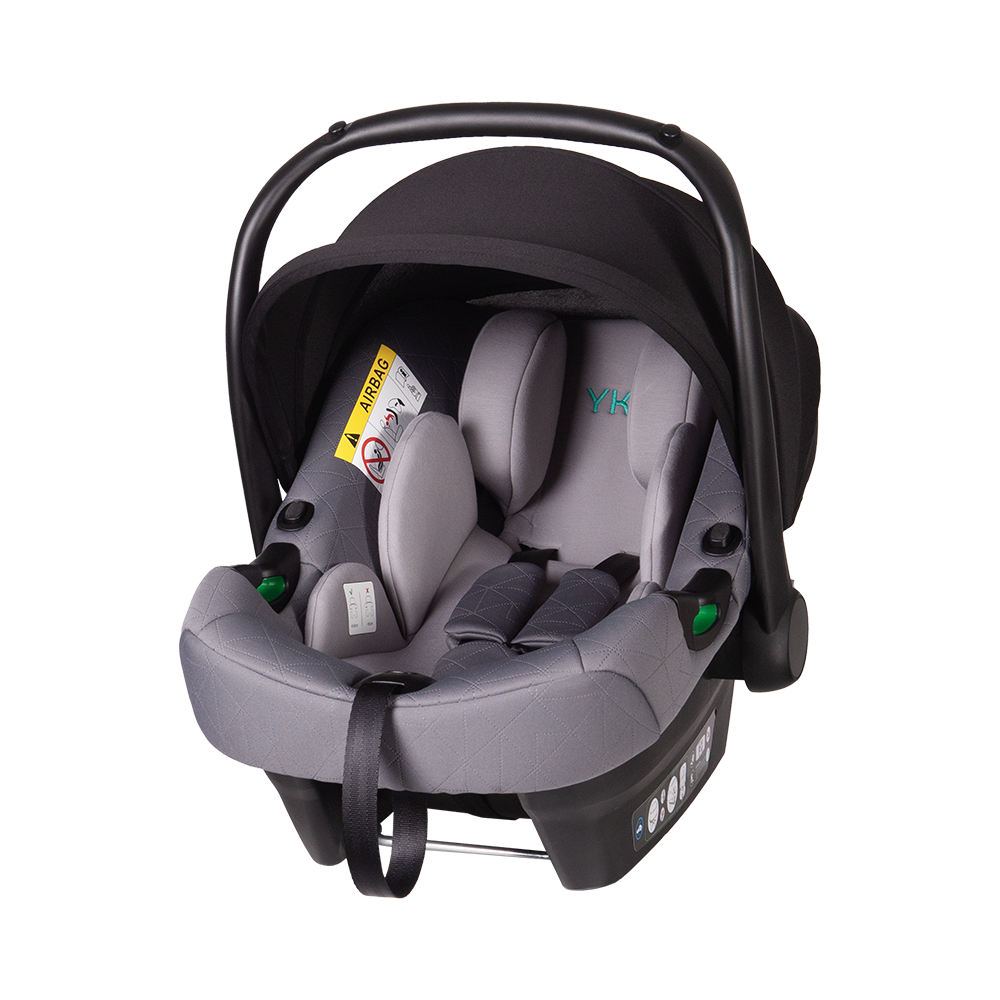
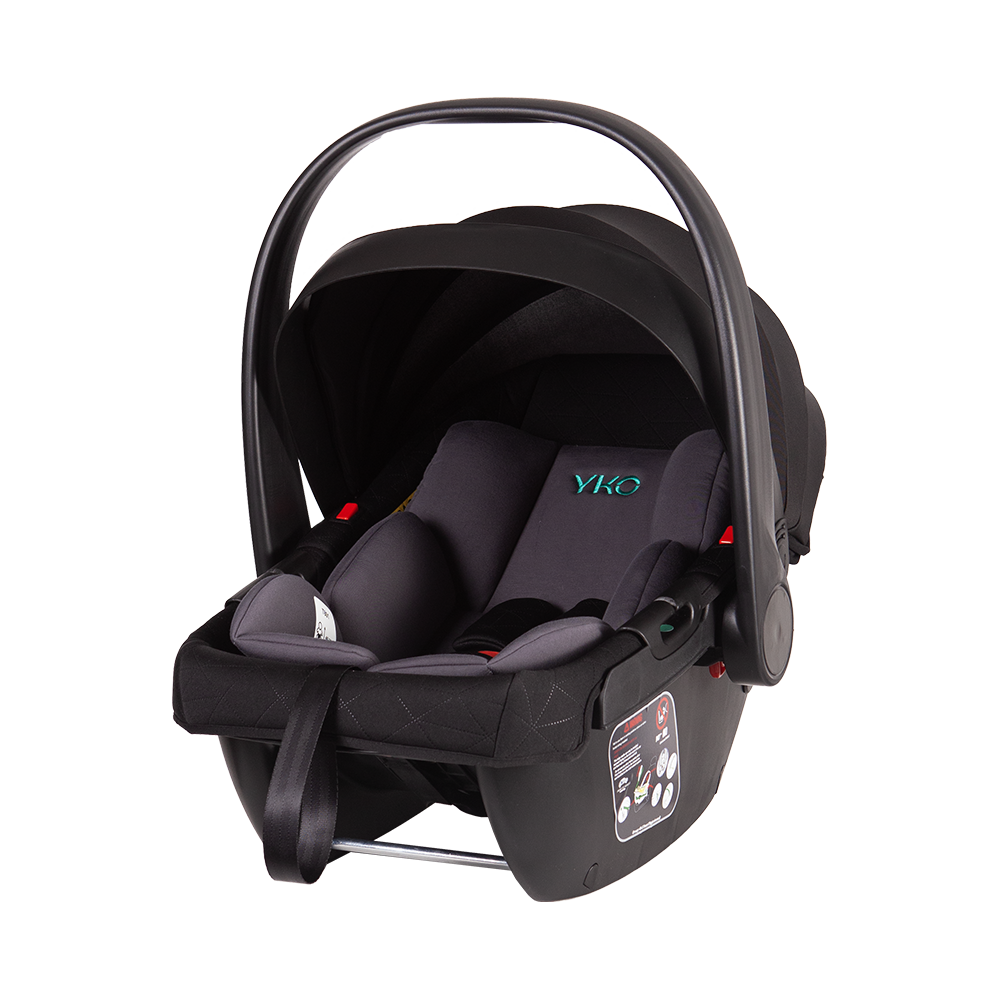
Most infant car seats are built for a child measuring roughly 40 to 87 centimeters in height and weighing up to 13 kilograms, which typically covers the period from birth until around 12 to 15 months of age. The exact timeframe depends less on a fixed calendar age and more on how quickly a baby grows, since some infants reach the height or weight ceiling earlier while others stay within the range a bit longer. Once a child's head reaches the top edge of the shell or their shoulders pass the highest harness slot, the seat has generally done its job and a switch to a convertible or forward stage seat becomes necessary.
Weight and Height Limits Explained
Infant car seats are engineered around a rear-facing shell shaped to cradle a newborn's proportionally larger head and shorter torso. The 0 to 13kg weight bracket corresponds to the period when a baby's neck muscles and spine are still developing the strength needed to withstand sudden stops or turns, so the seat's recline angle and side padding are designed to distribute force evenly across the back and shoulders rather than the neck. A baby born at an average weight of around 3.3kg will often stay within this range comfortably until well past the first birthday, though growth charts vary widely from one child to another.
| Height Range | Weight Range | Approximate Age |
|---|---|---|
| 40-60cm | 0-6kg | Newborn to 4 months |
| 60-75cm | 6-9kg | 4 to 9 months |
| 75-87cm | 9-13kg | 9 to 15 months |
Signs It Is Time to Move On
A few physical cues usually appear before a child outgrows the seat by calendar age alone. When the crown of the head sits within about two centimeters of the shell's upper rim, when the shoulder straps can no longer be adjusted below the shoulder line, or when the harness feels snug even at its loosest setting, these are practical signals rather than strict rules. Many caregivers also notice a baby's legs bending sharply against the seat back once height increases, which can be a comfort cue even if the weight limit has not yet been reached. Checking these markers every few weeks during the middle of the first year helps avoid a sudden need to replace the seat.
Materials and Construction
Shell and Structural Frame
The outer shell is commonly molded from high-strength polypropylene (PP), a thermoplastic chosen for its balance of rigidity and impact absorption. Injection molding allows the shell to be formed as a single continuous piece, which reduces weak seams and helps the structure flex slightly on impact before returning to shape, spreading crash energy across a wider surface rather than concentrating it at one point.
Lining and Padding
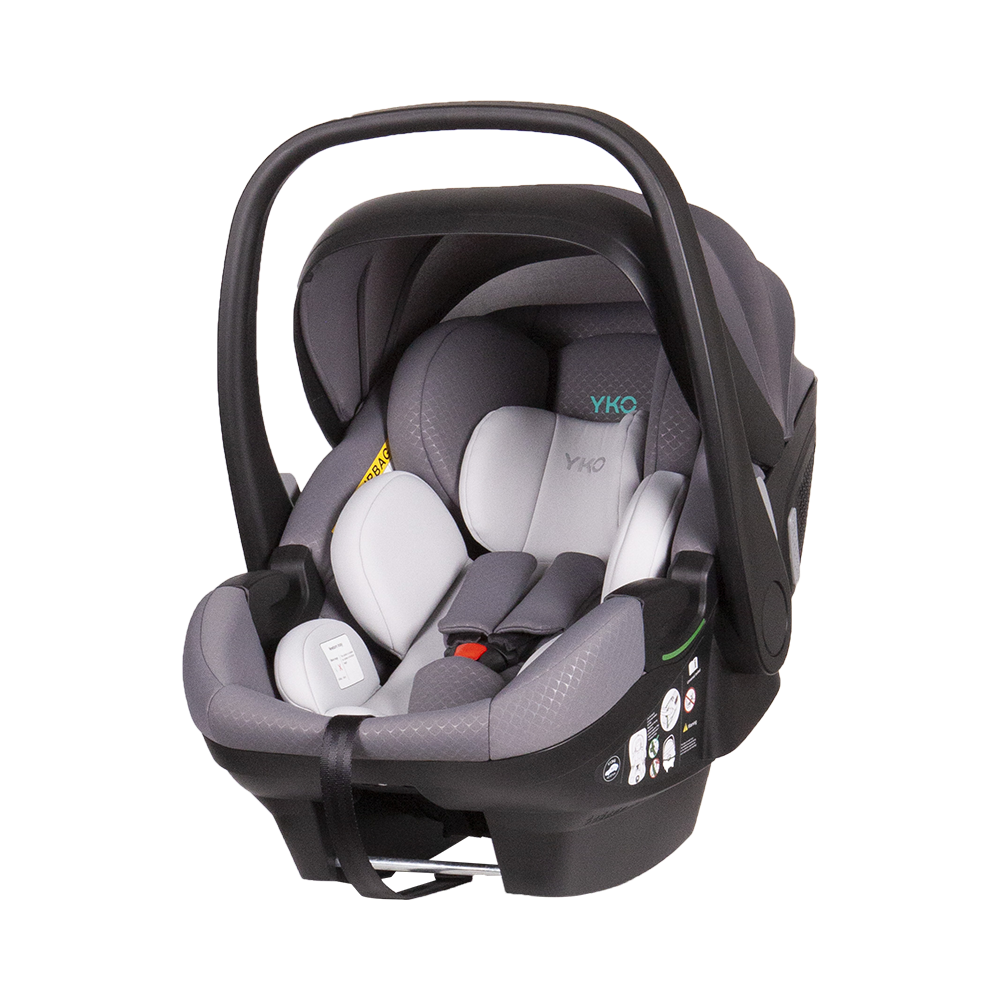
Interior linings are typically made from breathable, soft-touch fabric that is gentle against an infant's sensitive skin and formulated to be hypoallergenic, reducing the chance of irritation during longer rides. Padding around the head and torso is shaped to cradle a natural curve rather than force the spine flat, which supports the neck and lower back during the months when muscle control is still developing. Many cushions and inserts are detachable and machine washable, a practical detail given how often infants require quick cleanup.
Harness Systems and Safety Features
Infant car seats are generally fitted with either a three-point or five-point harness. A five-point system anchors at both shoulders, both hips, and between the legs, spreading restraint force across five contact points rather than two or three, which tends to keep a squirming infant more securely positioned during sudden braking. The recline angle, usually adjustable between 30 and 45 degrees, is set to keep an infant's airway open while resting, since an upright angle can cause a newborn's head to tip forward and restrict breathing during sleep.
Everyday Features and Common Uses
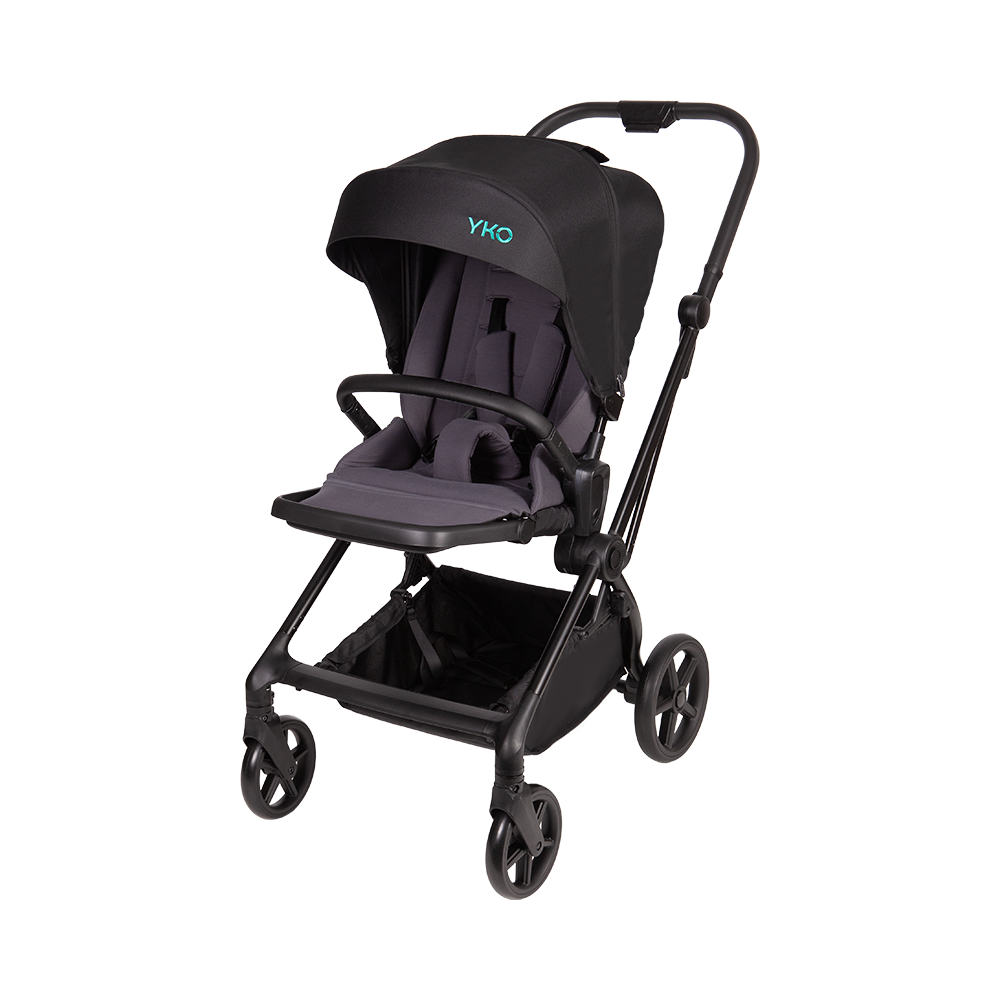
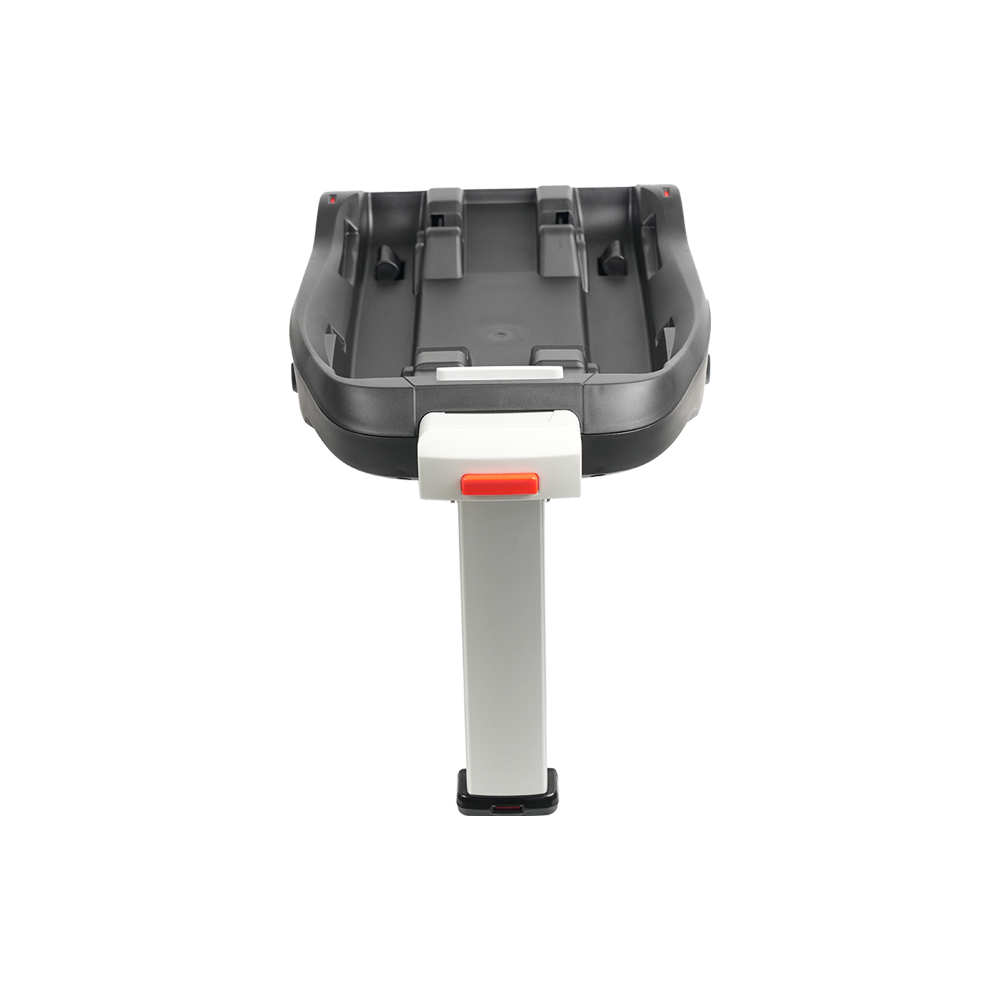
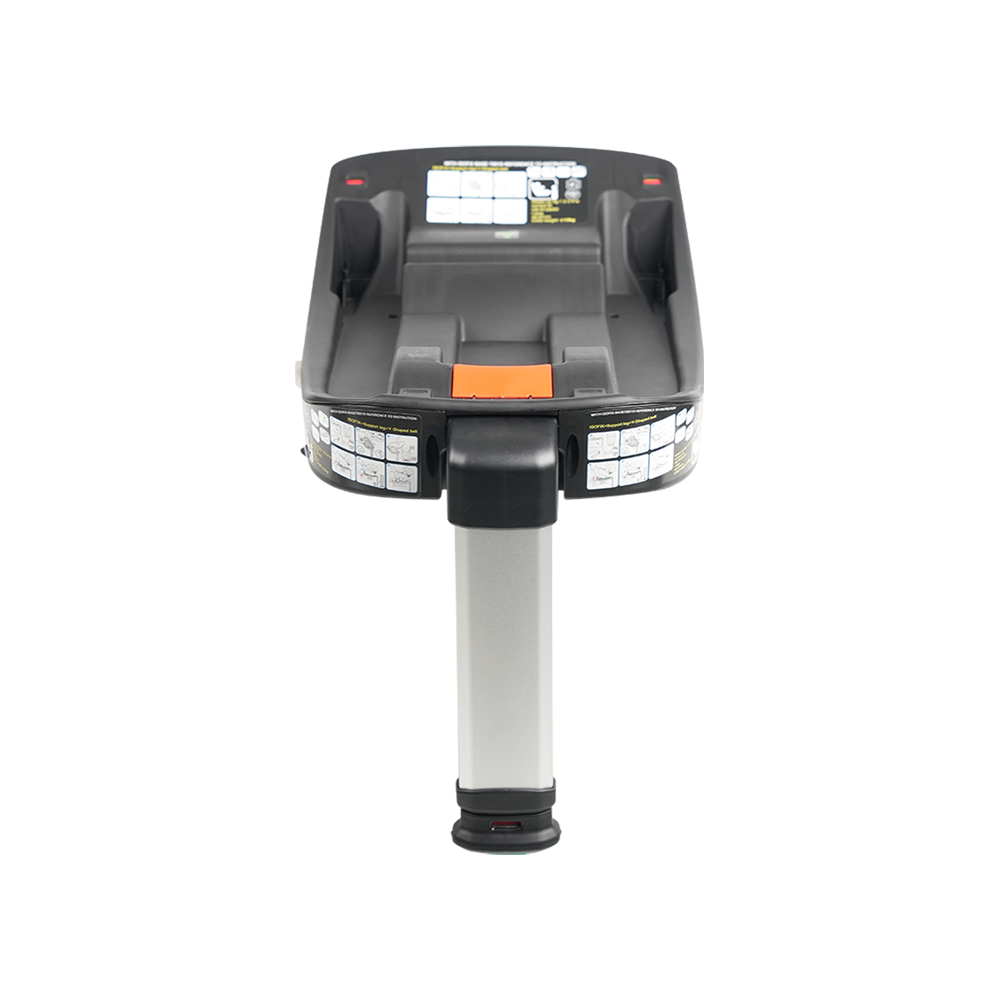
Beyond the core shell and harness, infant car seats often include a retractable sun canopy to shield delicate skin from direct light, a carrying handle that allows the seat to double as a portable carrier from vehicle to stroller frame, and compatibility clips that let the seat snap onto matching stroller bases for travel systems. These additions make the seat useful well beyond car rides, covering scenarios such as short errands, pediatrician visits, or naps at a relative's home without disturbing a sleeping baby. Some households also use the seat indoors briefly as a stationary rocker, though manufacturers generally note it should not replace a crib for extended sleep periods.
| Feature | Function |
|---|---|
| Sun canopy | Shields eyes and skin from glare and UV exposure |
| Carry handle | Allows transfer without waking a sleeping infant |
| Washable cushion | Simplifies cleaning after spills or leaks |
| Stroller click connectors | Converts the seat into part of a travel system |
Practical Tips for Getting the Most Use Out of the Seat
Adjusting the harness height every few weeks as an infant grows keeps the straps positioned at or slightly below shoulder level, which maintains proper restraint geometry throughout the seat's lifespan. Removing bulky winter clothing before buckling the harness helps the straps sit snugly against the body rather than compressed padding that could loosen in a collision. Regularly checking the recline angle against a level indicator, often built into the shell, also helps maintain the airway-friendly position recommended for early months. Following the specific height and weight figures printed on the seat's label, rather than relying only on age, remains the more reliable way to judge when a transition to the next seat type is appropriate.