English
  中文简体
中文简体  Español
  русский
  Deutsch
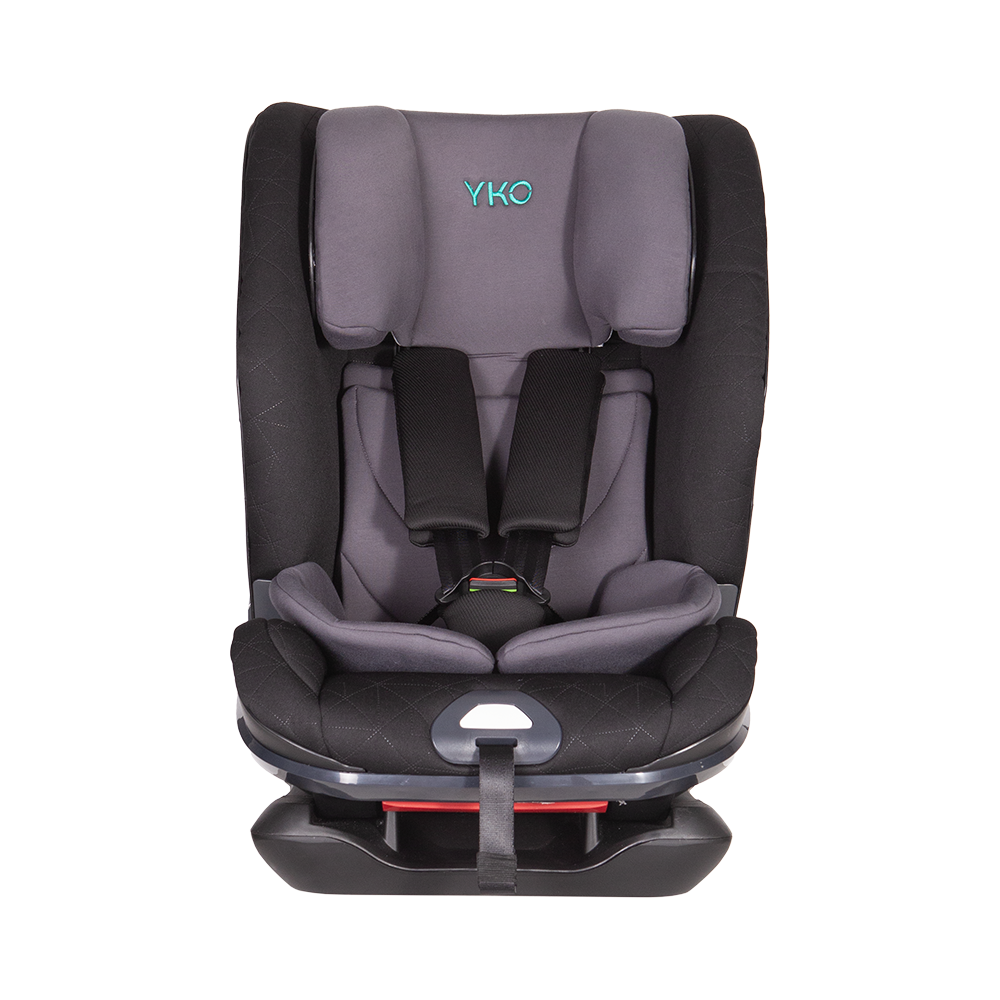


How Does a Combination Car Seat Balance Safety Performance Between Harness Mode and Booster Mode?
The Dual-Stage Design Concept of Combination Car Seats
A combination car seat is designed to support children through different growth stages by integrating harness mode and booster mode into one product structure. Unlike single-stage child restraints, this type of seat needs to maintain suitable protection when a child transitions from using an internal harness system to relying on the vehicle seat belt. For manufacturers, the challenge is to create a product that adapts to changing body sizes while maintaining consistent safety considerations throughout its service life.
As a professional combination seat factory, Zhenjiang YKO Child Product Co., Ltd. focuses on developing child safety seats that combine practical functionality with safety-oriented engineering. The company applies its experience in child restraint design, manufacturing processes, and OEM/ODM cooperation to develop products that meet the different requirements of global markets.
Balancing Protection in Harness Mode
In harness mode, the child is secured directly by the built-in five-point harness system. This stage is commonly used when children require additional support because their body structure is still developing. The harness system helps distribute restraint forces across stronger areas of the child's body, including the shoulders, hips, and chest area, while keeping the child positioned correctly inside the seat.
The design of the harness system involves multiple factors, including strap positioning, buckle structure, adjustment range, and connection strength. A properly designed harness should allow parents to adjust the restraint according to the child's height and body shape, ensuring that the belt remains correctly positioned during daily use and emergency situations.
| Design Element | Function in Harness Mode |
| Five-point harness system | Helps distribute restraint forces across multiple body areas |
| Adjustable shoulder straps | Allows the seat to adapt to children's growth |
| Reinforced internal structure | Supports stable performance during impact conditions |
| Headrest and harness adjustment linkage | Maintains suitable positioning as children become taller |
Transitioning from Harness Mode to Booster Mode
One of the key characteristics of a combination car seat is the ability to transform from a harness-based restraint system into a booster seat configuration. During this transition, the seat no longer uses its internal harness to secure the child. Instead, the vehicle seat belt becomes the main restraint method.
This change requires careful engineering because the safety requirements are different between the two modes. In booster mode, the main purpose of the seat is to raise the child's seating position so that the vehicle seat belt can fit across the stronger parts of the body. The booster structure needs to provide stable support while guiding the shoulder belt and lap belt into appropriate positions.
Structural Considerations for Booster Mode Performance
The structure of a combination car seat plays an important role after conversion to booster mode. Manufacturers need to consider seat base stability, belt guide positioning, side support design, and overall durability. A well-designed booster configuration helps reduce improper belt placement caused by differences in children's height and sitting posture.
For exported child safety products, manufacturers also need to consider different vehicle environments, user habits, and regulatory expectations in various regions. Through continuous product development and testing procedures, YKO integrates safety requirements into the entire manufacturing process, from material selection to final assembly inspection.
| Booster Mode Feature | Purpose |
| Vehicle belt guide design | Helps position the seat belt correctly on the child |
| Stable seat base structure | Improves seating stability during daily driving |
| Side protection components | Provides additional support around the child's seating area |
| Durable materials | Supports long-term product usage through multiple growth stages |
The Importance of Long-Term Usability in Combination Car Seat Development
A major reason customers choose combination car seats is their extended usability. A single product can serve children from toddler stages through booster stages, reducing the need for frequent replacements. However, achieving long-term usability requires manufacturers to consider both safety and comfort throughout the product lifecycle.
The seat needs to provide appropriate support when children are smaller and remain comfortable as they grow. Adjustable headrests, flexible harness systems, breathable fabrics, and ergonomic seat shapes are commonly considered during product development. These features help improve daily user experience while maintaining the functional requirements of a child restraint system.
Material Selection and Manufacturing Quality Control
Material selection directly influences the durability and reliability of combination car seats. Manufacturers usually evaluate materials based on factors such as strength, environmental requirements, comfort, and long-term usage performance. Eco-friendly materials are becoming increasingly important as global consumers pay more attention to sustainable product development.
Zhenjiang YKO Child Product Co., Ltd. emphasizes the combination of safety design and environmental responsibility during production. The company develops child safety seats and strollers with attention to material selection, production efficiency, and durability testing, supporting international customers through OEM and ODM manufacturing cooperation.
Meeting Different Market Requirements Through Product Development
Combination car seat manufacturers serving international markets need to understand that different regions may have different expectations regarding safety standards, product functions, and consumer preferences. European, Asian, and South American markets may vary in terms of vehicle types, purchasing behavior, and regulatory requirements.
For this reason, flexible product development capabilities are important for manufacturers working with global brands. OEM and ODM partners often require customized solutions, including product structure adjustments, appearance design, material options, and packaging requirements. A manufacturer with experience in international cooperation can better support different market applications.
Engineering Balance Between Safety, Comfort, and Convenience
The development of a combination car seat requires continuous balance between safety performance, comfort, and ease of use. A seat that supports only one function may not satisfy the needs of growing families, while a multi-stage product requires more detailed engineering and quality management.
Manufacturers need to evaluate every component, from the internal frame and restraint system to adjustment mechanisms and fabrics. By integrating research, manufacturing experience, and quality control processes, combination car seats can provide practical solutions for families seeking long-term child travel protection.
FAQ
Q: What Safety Design Factors Should Be Considered When Developing a Combination Car Seat for Growing Children?A: A Combination Car Seat requires a flexible design approach because it needs to support children through different growth stages. Manufacturers need to consider harness adjustment systems, headrest height range, side protection structure, seat stability, and material durability. Zhenjiang YKO Child Product Co., Ltd. focuses on integrating safety, comfort, and practical usability into child restraint product development, helping global partners create reliable solutions for different market requirements.
Q: How Does a Combination Seat Maintain Comfort During Long-Term Use?A: Comfort is an important consideration for a Combination Seat because children may use the product for several years. Manufacturers usually evaluate factors such as ergonomic seat support, breathable fabrics, adjustable components, and cushioning materials. By combining user-focused design with durable materials, a well-developed Combination Car Seat can provide suitable support throughout different childhood stages while meeting daily travel needs.
Q: What Manufacturing Capabilities Are Important When Choosing a Combination Seat Supplier?A: Selecting a suitable Combination Seat supplier requires evaluating factors such as product development experience, quality control procedures, customization capability, and production management. Companies with OEM and ODM experience can support brands with product design, material selection, functional adjustments, and market-specific requirements. With over 120 professionals and years of child safety product manufacturing experience, Zhenjiang YKO Child Product Co., Ltd. provides integrated production support for international customers.
Q: How Do Eco-Friendly Materials Influence the Development of Modern Combination Car Seat Products?A: Eco-friendly materials are becoming increasingly important in the development of modern Combination Car Seat products. Manufacturers are paying more attention to material safety, durability, production efficiency, and environmental impact. YKO combines child safety considerations with green manufacturing practices by selecting suitable materials and applying durability testing processes to create products that support both family safety and environmental responsibility.
Q: How Can Combination Car Seat Manufacturers Customize Products for Different Global Markets?A: Combination Car Seat manufacturers often need to adapt products according to regional safety requirements, consumer preferences, vehicle compatibility, and brand positioning. Customization may involve seat structure, appearance design, fabrics, functions, packaging, and certification support. Through ODM and OEM cooperation, manufacturers can work with brands worldwide to develop child safety seats that match specific market expectations and application scenarios.