English
  中文简体
中文简体  Español
  русский
  Deutsch
Direct Answer
An infant car seat protects a newborn only when three conditions are all met at the same time: the seat is installed rear-facing, the harness fits snugly at the correct height, and the seat is installed tightly enough that it moves less than one inch at the belt path. The single most common cause of reduced crash protection is not a defective seat but incorrect installation, and studies consistently show that a large share of car seats in everyday use have at least one meaningful installation or harness error.
4 to 35 lbs Typical weight range covered by rear-facing infant car seats
Under 1 inch Maximum allowable movement at the belt path for a correctly installed seat
At Or Below Ears Correct harness strap height for a rear-facing infant car seat
6 to 10 years Typical manufacturer expiration window from date of manufacture
What An Infant Car Seat Is Designed To Do
Understanding the specific engineering purpose behind rear-facing design
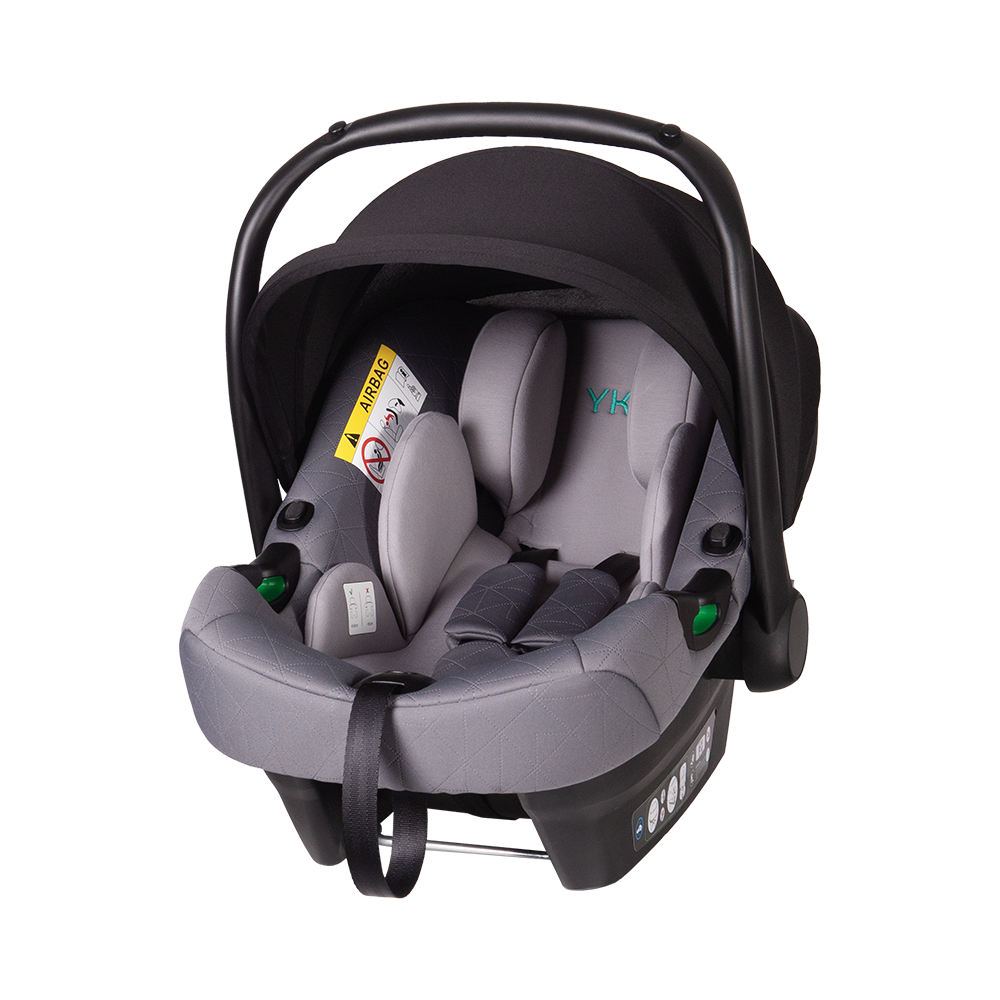
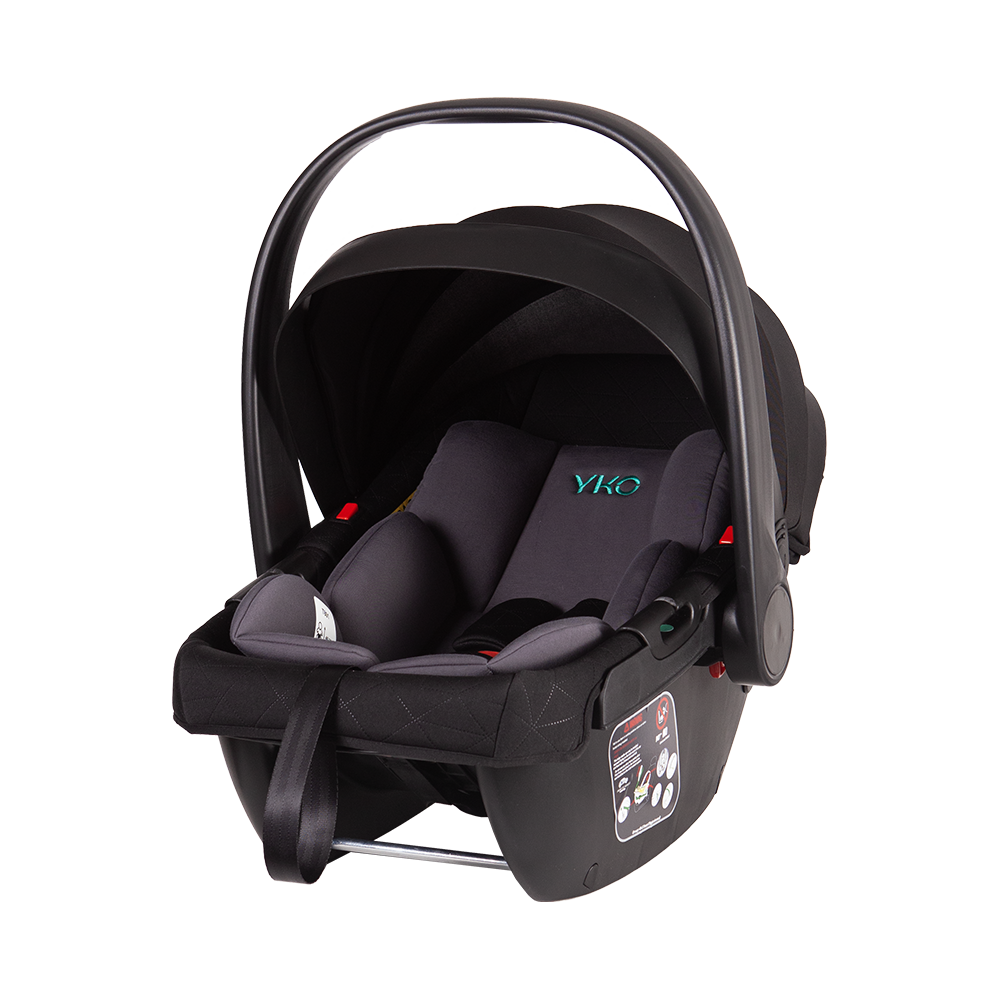
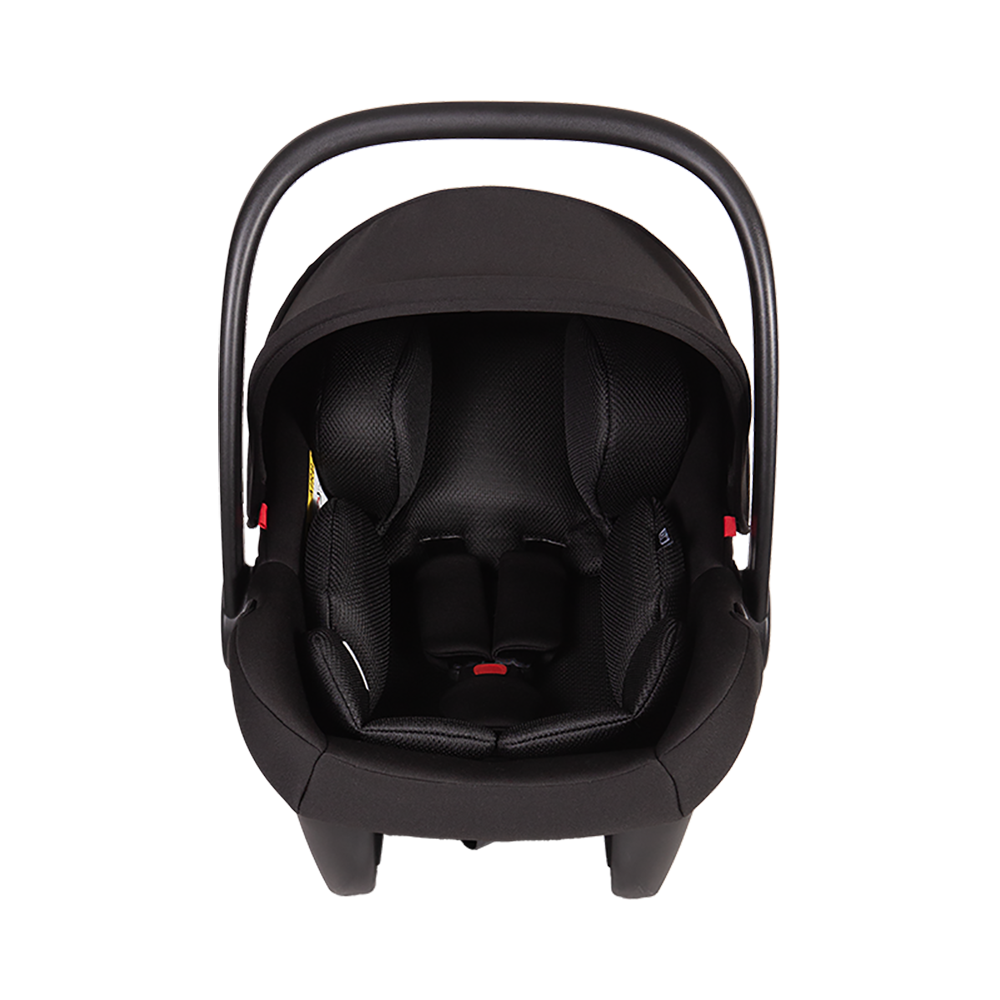
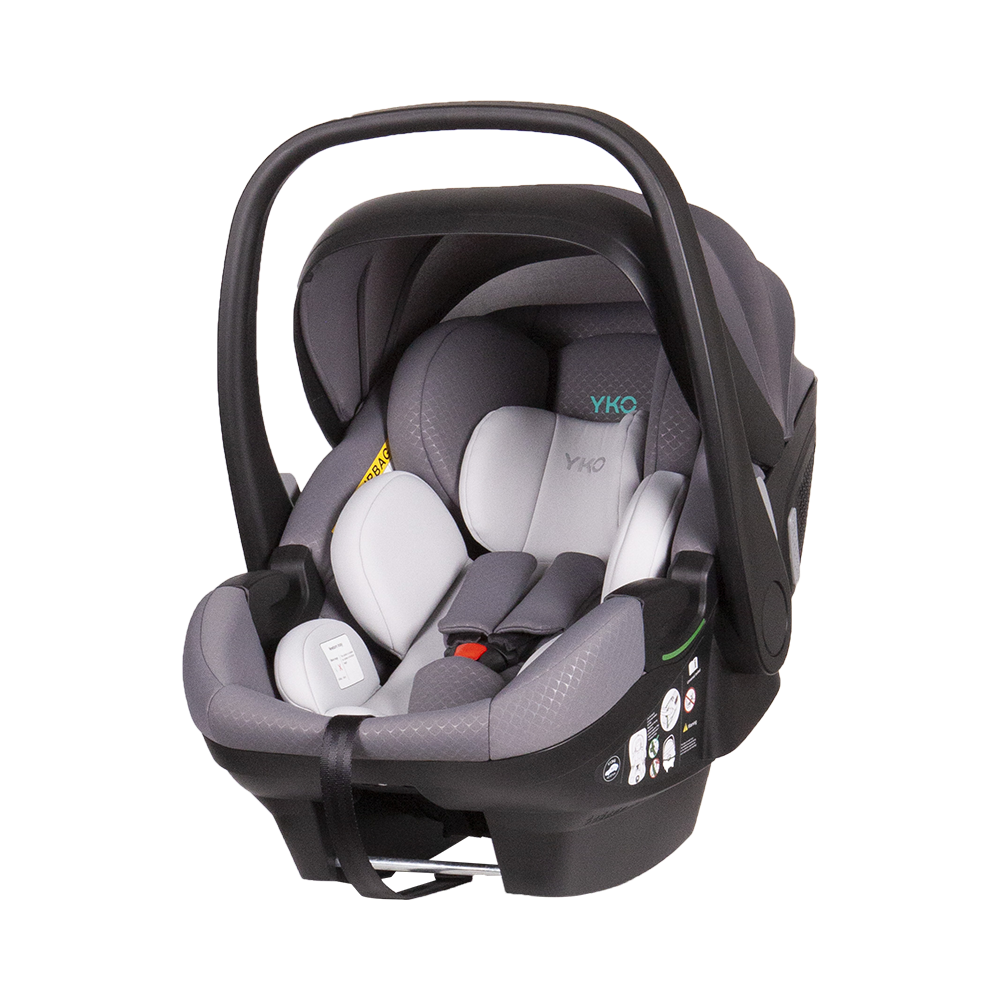
An infant car seat is a rear-facing only restraint built specifically for newborns and young infants, typically usable from birth up to a weight or height limit set by the manufacturer, most commonly somewhere between twenty two and thirty five pounds depending on the model. Unlike convertible seats, which can face forward once a child outgrows the rear-facing limit, infant car seats are designed around a single orientation because that orientation is what actually protects a young child in a crash.
The reasoning is anatomical rather than arbitrary. An infant has a proportionally large and heavy head relative to body size, and the neck and spine are not yet strong enough to withstand the forward forces generated in a frontal crash if the child is facing forward. In a rear-facing seat, a crash spreads the force of impact across the entire back, neck, and head at once, since the child moves into the shell of the seat rather than being thrown forward against a harness. This is the same basic principle that leads safety organizations worldwide to recommend keeping children rear-facing for as long as the seat and child's size allow, not just for the newborn stage.
Infant car seats also typically detach from a base that stays installed in the vehicle, allowing a sleeping baby to be moved without being removed from the seat itself. This convenience feature does not change the safety requirements, and a base left loosely installed is just as dangerous as no base at all, so the detachable design should never be treated as a shortcut around correct installation checks.
It is also worth understanding what an infant car seat is not designed to do. It is not designed to be a general purpose carrier for extended periods outside the vehicle, and pediatric guidance generally recommends limiting continuous time in a car seat outside of actual travel, since the semi upright position is not ideal for a newborn's developing spine and hips over long stretches. It is also not designed to replace supervised tummy time or flat sleep surfaces at home, both of which remain important for healthy development regardless of how much time is spent traveling. Recognizing the seat as a travel safety device rather than a default resting place helps parents use it for its intended purpose without over relying on it in situations it was never engineered for.
Core Components And Their Safety Function
Every part of the seat contributes to how crash force is managed
1
Shell And Foam Liner
The rigid outer shell and internal energy absorbing foam work together to manage crash force and keep the seat structure from collapsing around the child.
2
Five Point Harness
Straps over both shoulders, both hips, and between the legs distribute crash force across the strongest parts of a child's body rather than concentrating it at one point.
3
Chest Clip
Positioned at armpit level, the chest clip keeps the shoulder straps in place on the shoulders so they cannot slip off during a crash.
4
Base With Recline Adjustment
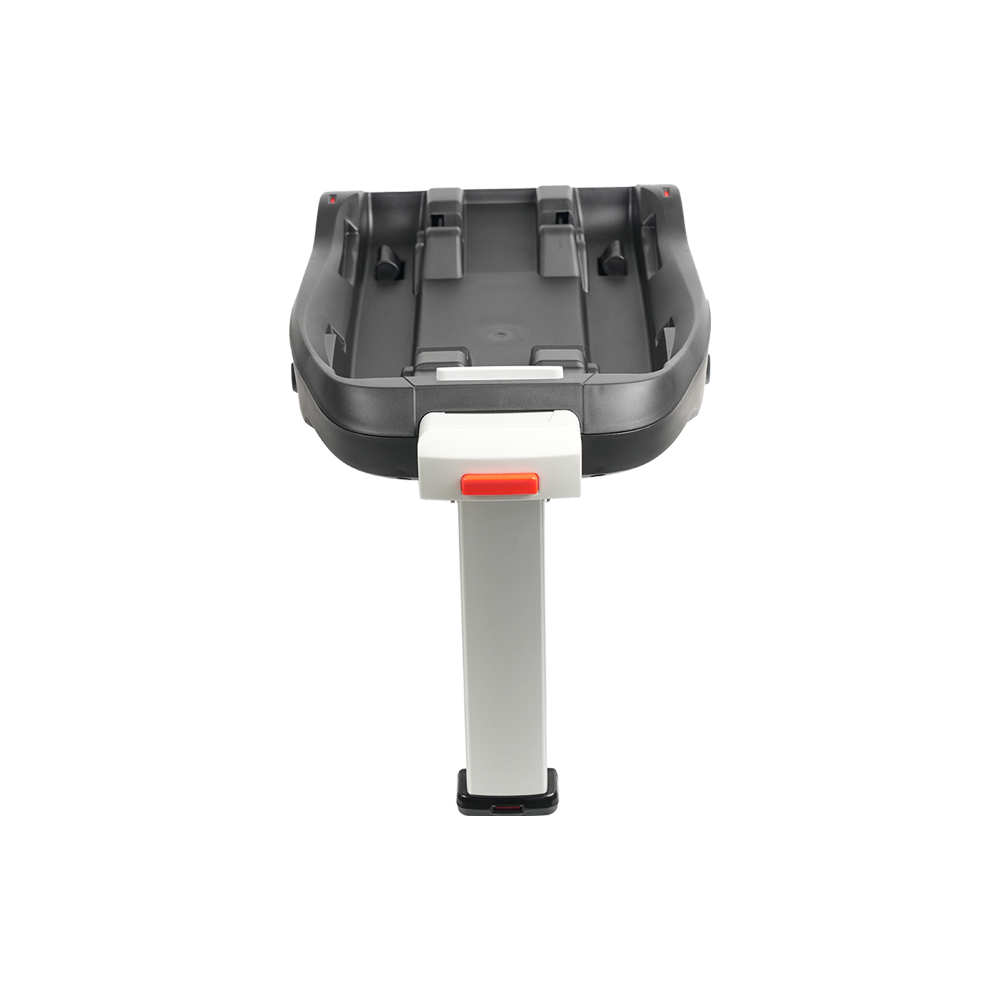
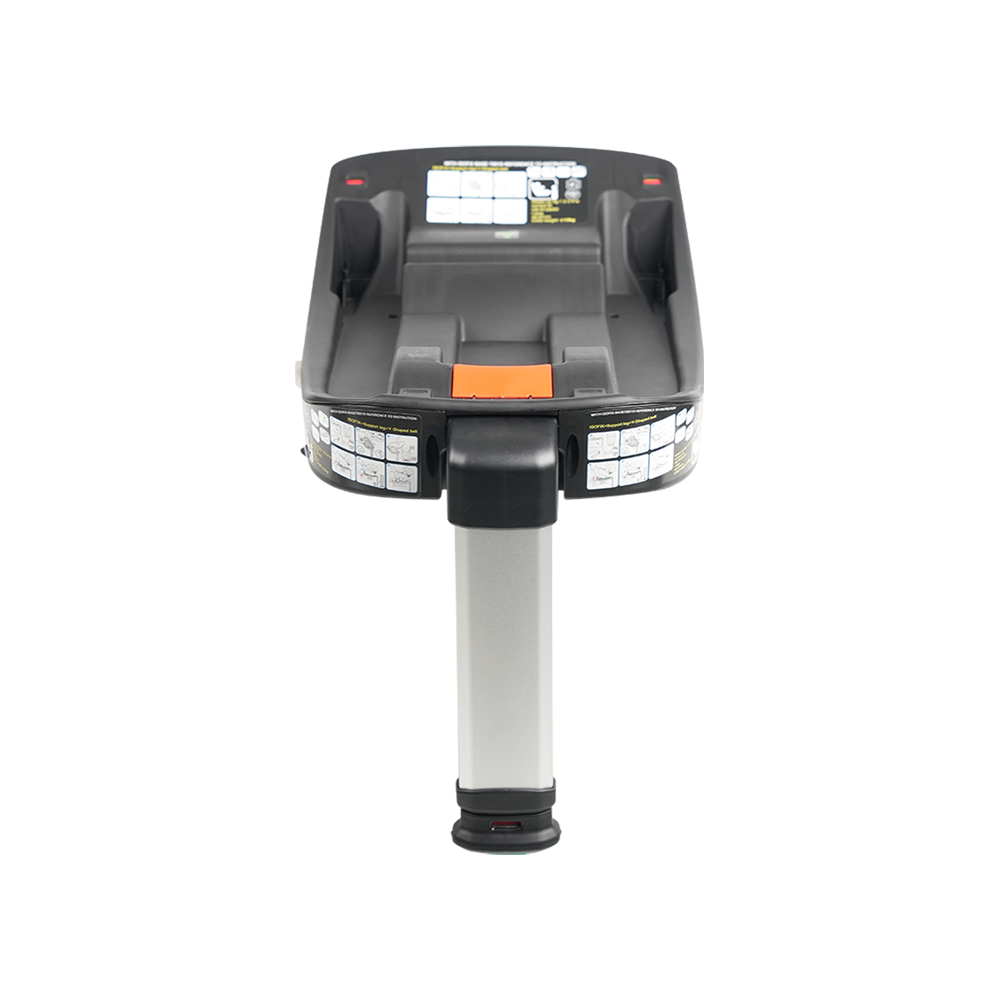
The base sets the correct recline angle for a newborn's airway and anchors the seat to the vehicle through the lower anchor system or the seatbelt.
5
Lower Anchor Connectors Or Belt Path
These attachment points transfer crash force from the seat into the vehicle structure, which is why a loose connection undermines every other safety feature of the seat.
6
Newborn Insert
A removable positioning insert supports a small newborn's head and body so the harness can still fit correctly before the child grows into the seat's full size range.
Safety Standards And Certification Requirements
What testing a car seat actually undergoes before it reaches a store shelf
In the United States, every infant car seat sold must meet Federal Motor Vehicle Safety Standard 213, which requires the seat to be tested in a simulated frontal crash at a specified speed while measuring forces on a test dummy representing an infant. Seats that pass are certified for sale, but passing the minimum standard does not mean all seats perform identically above that minimum, which is why independent testing organizations often publish additional comparative crash performance data beyond the baseline government requirement.
Comparable frameworks exist in other regions, including ECE R129, commonly referred to as i-Size, used across much of Europe, which adds side impact testing and height based rather than purely weight based sizing to the certification process. A seat certified under one regional standard is not automatically certified under another, so parents purchasing or importing a seat across regions should confirm it meets the standard that applies in the country where it will actually be used.
Rear-Facing Weight And Height Limits By Seat Type
Matching seat category to a child's current size rather than age alone
| Seat Type | Typical Rear-Facing Range | Best Suited For |
| Infant only seat | 4 to 35 lbs, up to about 32 inches | Newborns through early toddlerhood, with a detachable base for stroller use |
| Convertible seat, rear-facing mode | 5 to 40 or 50 lbs depending on model | Extending rear-facing use well beyond the limits of an infant only seat |
| All in one seat, rear-facing mode | 5 to 40 lbs depending on model | Families wanting one seat that later converts to forward-facing and booster modes |
How To Install An Infant Car Seat Correctly
A step by step outline of the two approved installation methods
Every infant car seat can be installed using one of two approved methods, either the lower anchor system, commonly called LATCH, or the vehicle seatbelt routed through the seat's built in belt path. Both methods are equally safe when done correctly, and using both at the same time is not permitted on most seats because the systems are not designed to work together, and combining them can affect how the seat is meant to move during a crash.
- Choose one method. Read the seat manual and vehicle manual to confirm whether LATCH or seatbelt installation is recommended for the specific seating position being used.
- Set the correct recline angle. Use the built in angle indicator on the base to match the recline range specified for a newborn, since too upright an angle can allow the head to fall forward and obstruct the airway.
- Route the belt or lower anchors through the correct path. Follow the manual exactly, since the rear-facing belt path is often different from the forward-facing path on convertible seats.
- Remove slack completely. Push down firmly on the base while tightening the belt or anchor straps, since a base that looks secure with the seat empty can still have too much slack once weight is added.
- Perform the inch test. Grab the base at the belt path and confirm it does not move more than one inch side to side or front to back.
- Attach the carrier and check the recline again. Snap the infant carrier onto the base and confirm the recline angle is still correct once the carrier is attached.
- Get a certified check if unsure. Certified child passenger safety technicians are available in many communities specifically to verify installations at no cost.
Fitting The Harness Correctly For A Newborn
The details that determine whether the harness can actually do its job
The pinch test matters more than the strap being tight looking. After buckling the harness, pinch the strap at the shoulder. If you can pinch excess webbing, the harness is too loose, even if it appears snug when simply looking at the child.
| Fit Check | What Correct Looks Like |
| Strap height | At or slightly below the shoulders in rear-facing mode, not above them |
| Chest clip position | Level with the armpits, not on the stomach or near the neck |
| Harness tightness | No excess webbing can be pinched at the shoulder once buckled |
| Crotch strap | Positioned at the correct slot setting so the harness cannot ride up over the hips |
| Bulky clothing | Removed before buckling, with blankets placed over the harness rather than under it |
Common Mistakes That Reduce Crash Protection
The errors that appear most often during real world installation checks
Child passenger safety technicians who conduct free installation checks at community events routinely report that the majority of seats they inspect have at least one meaningful error, and in many cases several errors are present at once. The reassuring finding across this work is that nearly all of these errors are easy to correct once identified, which is exactly why free inspection events exist in the first place. Understanding the most frequent mistakes in advance is one of the simplest ways for a parent to avoid them entirely.
- Installing too loosely. A base that shifts more than an inch at the belt path cannot manage crash force the way it was designed to, regardless of how new or well rated the seat is.
- Incorrect recline angle. Too upright a recline can compromise a newborn's airway, while too reclined an angle can affect how the harness performs during a crash.
- Bulky winter coats under the harness. Thick padding compresses in a crash, leaving the harness effectively loose at the moment of impact even though it looked snug before the crash.
- Add-on products not tested with the seat. Aftermarket head supports, strap covers, or mirrors not sold by the seat manufacturer can interfere with how the seat performs in the exact crash conditions it was tested under.
- Using an expired or previously crashed seat. Materials degrade over time and a seat involved in even a moderate crash may have hidden structural damage not visible from the outside.
- Moving to forward-facing too early. Switching orientation based on age alone rather than the seat's actual rear-facing weight and height limit removes protection a child could still be receiving.
How Long An Infant Car Seat Can Be Used
Understanding expiration dates and why they exist
Every car seat has an expiration date set by the manufacturer, generally somewhere between six and ten years from the date of manufacture, printed directly on the seat shell or base. Expiration exists for several concrete reasons rather than being a marketing driven policy. Plastic components can degrade from years of temperature cycling inside a vehicle, safety standards and crash testing methods improve over time, and older seats may be missing recall updates or replacement parts that are no longer manufactured.
Parents should also treat any car seat involved in a moderate to severe crash as needing replacement, even if no damage is visible, since internal structural stress from an impact is not always apparent from the outside. Many vehicle insurance policies specifically cover car seat replacement after an accident for exactly this reason. A seat that has only been in a very minor incident, generally defined by criteria such as the vehicle being driveable afterward and no visible seat damage, may not require replacement, but manufacturer guidance should always be checked directly rather than assumed.
How To Choose The Right Infant Car Seat
A practical framework for comparing models before purchase
- Confirm the weight and height range covers your child from birth through the age you plan to use it
- Check that the seat fits your specific vehicle, since not every seat installs equally well in every car
- Verify the recline range is adequate for a newborn if you are buying before birth
- Compare harness adjustment range so the seat can grow with your child without needing to be replaced early
- Look for compatibility with a stroller frame if travel system use is a priority
- Review independent crash test data in addition to the minimum certification standard
- Check the manufacture date to ensure you are not buying a seat close to its expiration
Weight And Height Fit Vehicle Compatibility Recline Range Harness Adjustability Stroller Compatibility Independent Crash Data
Travel Systems, Air Travel, And Rideshare Use
How the seat performs beyond everyday vehicle trips
Many infant car seats are sold as part of a travel system, meaning the carrier clicks directly into a matching stroller frame without waking a sleeping child. This convenience is genuinely useful, but compatibility should be verified carefully if the stroller and car seat are purchased from different brands, since not every carrier fits every stroller frame even when adapters are advertised as universal. A mismatched connection that does not lock securely is a fall hazard even though it has nothing to do with vehicle crash safety.
Most infant car seats are also certified for use on aircraft, identified by a label stating the seat is approved for use in motor vehicles and aircraft. Bringing a car seat on a flight and installing it in a purchased seat is widely recommended by pediatric and aviation safety organizations over holding an infant on a lap, since turbulence and unexpected movement can make it very difficult to keep hold of an infant during an in flight incident. Airlines vary in their specific policies for gate checking versus cabin use, so checking the exact requirements with the airline in advance avoids complications at the gate.
Rideshare and taxi use presents a separate challenge, since most rideshare vehicles do not arrive with a car seat installed, and installing an unfamiliar seat correctly in a few minutes at the curb is difficult even for experienced parents. A lightweight infant car seat that a parent already knows how to install quickly, carried along for rideshare trips, is a more reliable option than relying on a rideshare specific child seat service, which is not available in all areas and does not guarantee the installer is a certified technician.
Buying New Versus Buying Used
Why car seats are treated differently from most other baby gear
Unlike strollers or cribs, car seats are generally not recommended as secondhand purchases unless the full history of the seat is known with certainty. A seat with unknown crash history, unknown age, or missing parts cannot be verified as safe, and recalled seats that have not been fixed or replaced can remain in circulation through resale without any way for a new owner to know. If a seat is accepted from a trusted family member or friend, confirming the manufacture date, requesting the original crash history, and checking the model against current recall databases are all reasonable steps before use.
Buying new removes this uncertainty entirely and also ensures the seat includes its full original instruction manual, all original parts, and the most current safety design for that model line. Given that an infant car seat is used for a relatively short window of a child's life compared with other gear, many safety organizations recommend treating it as one purchase where cost savings from buying used carry meaningfully higher risk than in most other categories of baby equipment.
Registering And Monitoring Recalls
A simple step that is skipped far more often than it should be
Every new car seat comes with a registration card, and completing registration, whether by mail or online through the manufacturer, is what allows the manufacturer to contact the owner directly if a recall or safety notice is issued later. Recalls on car seats are not rare, and many involve issues that are not visible during normal use, such as a chest clip that can crack under certain conditions or a harness buckle that can be difficult to release. Registration is free, takes only a few minutes, and is one of the few safety steps in car seat ownership that requires no ongoing effort after it is completed once.
Key Takeaways
An infant car seat only delivers the protection it was engineered for when selection, installation, and harness fit are all handled correctly, not just when the seat itself is a good model.
- Orientation: keep the seat rear-facing for as long as the weight and height limit allow, since this is the single largest factor in crash protection for young children.
- Installation: the base should move less than one inch at the belt path, checked using either LATCH or the seatbelt, never both at once unless the manual specifically allows it.
- Harness fit: straps at or below shoulder height, chest clip at armpit level, and no pinchable slack once buckled.
- Lifespan: respect the manufacturer expiration date and replace the seat after any moderate to severe crash, regardless of visible damage.
- Purchase decision: buy new when possible, register the seat immediately, and check independent crash data alongside the minimum required certification.
The most protective infant car seat is not necessarily the most expensive one on the shelf, but the one that fits the vehicle correctly, fits the child correctly at every stage of growth, and is installed with the same care every single time it is used. Consistency in these details, more than any single product feature, is what actually determines how well an infant car seat performs when it matters most. A five minute installation check repeated at every trip, rather than assumed correct after the first setup, is the habit that separates a seat that looks safe from a seat that actually performs the way it was engineered to.