English
  中文简体
中文简体  Español
  русский
  Deutsch
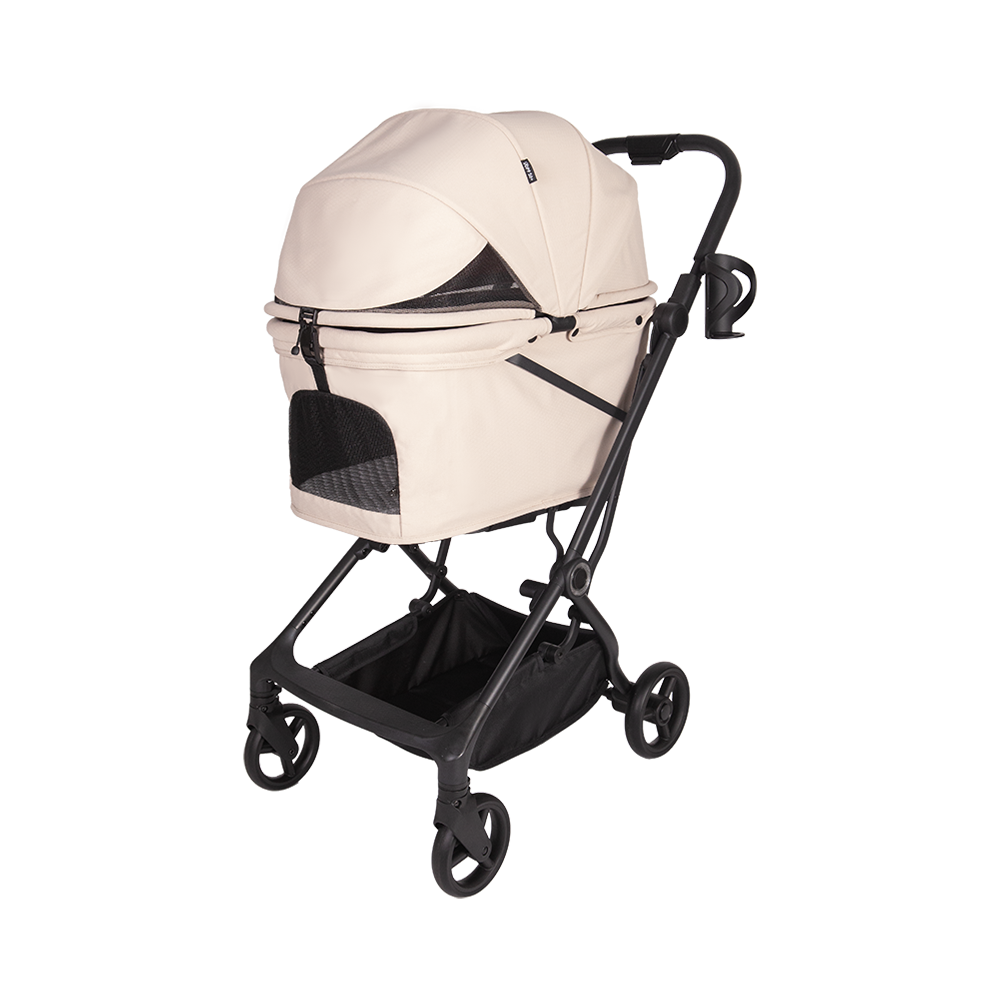
A 3-wheel outdoor pet stroller handles uneven trails, gravel paths, and rougher terrain better than a 4-wheel model, while a 4-wheel pet stroller offers steadier balance and easier storage for everyday city sidewalks and mall visits. Neither design is universally "better" — the right choice comes down to where the stroller will actually be used most often, and matching wheel type, suspension, and weight capacity to that environment prevents the most common buyer regret: a stroller that struggles the moment it leaves smooth pavement.
15–30 lb typical weight capacity for standard pet strollers
50+ lb capacity on heavy-duty outdoor models
8–10 in wheel diameter needed for reliable off-pavement rolling
3 sec typical one-hand fold time on well-designed frames
3-Wheel vs 4-Wheel Outdoor Pet Stroller Designs
The wheel configuration is the single biggest factor separating one outdoor pet stroller from another in terms of real-world handling. A 3-wheel layout, with a single swiveling or fixed front wheel, turns tighter and tracks straighter over roots, gravel, and uneven dirt trails. A 4-wheel layout distributes weight more evenly across a wider base, which improves stability when parked and makes the stroller easier to push in a straight line on flat, predictable surfaces like sidewalks and shopping center floors.
3-Wheel Pet Stroller
- Better maneuverability on trails, grass, and gravel
- Tighter turning radius in crowded spaces
- Often lighter overall frame weight
- Can feel less stable when fully stopped on a slope
4-Wheel Pet Stroller
- More stable footprint for city sidewalks and flat paths
- Easier to leave standing without tipping
- Wider turning radius, less nimble in tight aisles
- Generally simpler to store upright when folded
Wheel Size and Suspension: What Actually Handles Rough Ground
Wheel diameter matters more than most first-time buyers expect. Small casters under 6 inches tend to catch on cracks, curbs, and loose gravel, forcing constant course correction. Wheels in the 8 to 10 inch range roll over small obstacles smoothly and require noticeably less pushing effort on uneven ground, which matters over a 30-to-60-minute walk.
| Wheel Size | Best Suited Terrain | Rolling Effort |
| Under 6 inches | Smooth indoor floors, flat sidewalks only | High effort on any bump or crack |
| 6–8 inches | Paved paths, light gravel, park trails | Moderate effort, manageable on mixed terrain |
| 8–10 inches | Dirt trails, grass, uneven gravel | Low effort, smooth rolling over obstacles |
| 10+ inches with air/foam tires | Hiking trails, beach sand, rough outdoor terrain | Lowest effort, best shock absorption |
Suspension systems, typically shock-absorbing springs mounted near the axle, reduce jostling for pets riding over bumps and cracks. This isn't a cosmetic feature — for senior dogs, pets recovering from surgery, or animals with joint sensitivity, a stroller without suspension can make even short outdoor walks physically uncomfortable, defeating the entire purpose of taking them along.
Weight Capacity: Matching the Frame to the Pet, Not Just the Breed
Weight ratings vary dramatically across the outdoor pet stroller category, and choosing based on breed assumptions alone is a common mistake. A frame rated for 15 pounds may technically hold a 20-pound dog, but the frame will flex, wheels will wear faster, and steering becomes noticeably harder to control.
- Small pet strollers (under 15 lb capacity): built for toy breeds, cats, and small mixed-breed dogs, typically with lighter aluminum frames.
- Standard pet strollers (15–30 lb capacity): the most common range, suited to medium dogs and multi-pet households with two smaller animals.
- Heavy-duty pet strollers (30–50+ lb capacity): reinforced steel frames and wider wheelbases designed for larger dogs, senior pets needing mobility support, or two medium-sized pets riding together.
Practical tip: Choose a stroller rated for at least 10 to 15 pounds above your pet's actual weight. This buffer accounts for added weight from a carrier pad, water bowl, leash, and any items stored in the undercarriage basket, all of which add up faster than most owners expect.
Terrain-Specific Features Worth Prioritizing
Beyond wheel size, several design details determine how well an outdoor pet stroller performs once it leaves flat pavement. These features matter most for owners who regularly walk trails, parks, or mixed urban-to-nature routes.
All-Terrain Tire Tread
Deeper tread patterns grip loose dirt and gravel far better than smooth plastic wheels, reducing slippage on inclines or wet grass.
Locking Front Swivel Wheel
A lockable front wheel keeps the stroller tracking straight on rough or uneven terrain, switching back to swivel mode for tight indoor turns.
Weatherproof Canopy and Base
A water-resistant canopy and washable liner matter significantly more for owners using the stroller on dirt trails or during light rain than for strictly indoor or mall use.
Reinforced Mesh Windows
Ventilated mesh panels keep airflow steady during warmer outdoor walks while still containing pets securely on bumpier ground.
Safety Features That Matter More Outdoors Than Indoors
An outdoor pet stroller faces risks that an indoor or mall-only stroller rarely encounters — hills, curbs, sudden stops, and unpredictable ground. A few safety details make a measurable difference in outdoor use specifically.
| Safety Feature | Why It Matters Outdoors |
| Internal safety leash/tether clip | Prevents a startled pet from jumping out on uneven or sloped ground |
| Parking brake on rear wheels | Keeps the stroller stationary on inclines, at crosswalks, or on grassy slopes |
| Reinforced zippers and stitching | Resists wear from repeated outdoor use, dirt, and moisture exposure |
| Low center of gravity frame design | Reduces tipping risk on uneven trails or when a pet shifts weight suddenly |
Storage, Portability, and What High-Value Buyers Actually Prioritize
Owners investing in a higher-end outdoor pet stroller tend to weigh a different set of priorities than budget buyers, focusing less on price alone and more on long-term convenience and durability.
- One-hand fold mechanisms: Strollers that fold in under 5 seconds with a single latch or lever save real time when loading a car trunk or navigating a doorway with a pet in one arm.
- Compact folded footprint: Matters significantly for apartment dwellers, frequent travelers, and anyone storing the stroller in a car trunk alongside other gear.
- Storage basket capacity: A larger under-seat basket accommodates water, treats, waste bags, and a light jacket without needing a separate bag on longer outdoor outings.
- Detachable carrier compatibility: Some frames allow the pet carrier bassinet to detach and double as a standalone carrier, adding flexibility for multi-modal trips involving both walking and car travel.
Real-world consideration: A stroller that folds compactly but weighs over 20 pounds itself can become a burden when lifting it in and out of a vehicle repeatedly. Frame material — aluminum versus steel — has a direct impact on this trade-off between durability and portability.
Frame Materials: Aluminum vs Steel
The frame material behind an outdoor pet stroller affects weight, durability, and price in ways that aren't always obvious from a product listing photo.
| Material | Typical Frame Weight | Durability | Best Fit |
| Aluminum | Lighter, easier to lift and carry | Good, resists rust well | Frequent travelers, smaller pets, city walking |
| Steel | Heavier, more effort to lift | Excellent, handles heavier loads and rough terrain | Larger pets, daily trail use, heavy-duty needs |
Multi-Pet Households and Larger Stroller Configurations
Owners with more than one small pet face a different set of considerations when shopping for an outdoor pet stroller, since capacity and interior space need to accommodate two animals without overcrowding either one.
- Look for a wider interior cabin rather than simply a higher weight rating, since two pets need shoulder room, not just combined weight support.
- Divider panels, sold separately or built into some models, help reduce squabbling between pets that don't naturally sit calmly side by side.
- A wider wheelbase is typically necessary to keep the stroller stable with two pets shifting weight independently during a walk.
Maintenance Habits That Extend an Outdoor Stroller's Lifespan
Regular outdoor use exposes a pet stroller to dirt, moisture, and mechanical wear that indoor-only strollers rarely experience, making a few maintenance habits particularly worthwhile for owners who use theirs frequently.
| Maintenance Task | Recommended Frequency |
| Wipe down wheels and axles after muddy or wet walks | After each outdoor use in wet conditions |
| Check tire pressure on air-filled tires | Monthly, or before longer trail outings |
| Inspect fabric liner and zippers for wear | Every few weeks with regular use |
| Lubricate folding hinges and wheel joints | Every 2–3 months, or if folding becomes stiff |
An outdoor pet stroller that receives basic upkeep along these lines routinely outlasts one that's simply hosed off occasionally and left to sit between uses, particularly around the wheel bearings and folding mechanism, which see the most repeated mechanical stress over time.