English
  中文简体
中文简体  Español
  русский
  Deutsch
By September 2026, the child car seat industry is operating under a stricter compliance regime, and the window for clearing old-standard retail inventory has closed. Products certified only under China's previous GB 27887-2011 can no longer be newly listed for sale: the new national standard GB 27887-2024 took effect on July 1, 2025, and from July 1, 2026 it is the sole basis for new market entry. The ban targets new sales, not seats already fitted in family cars, but it still forces every brand, distributor, and retailer to clean the channel. In Vietnam, enforcement has moved from paperwork to the roadside: since August 15, 2026, drivers of children under 10 years old and shorter than 1.35 meters who travel without an approved restraint face penalties under Decree 238. The conclusion for buyers is straightforward: compliance is now a multi-market exercise, and supplier capability, not price alone, determines whether your inventory stays sellable.
Global Standards Are Converging on Stricter Crash Performance
Three regulatory frameworks now define the design floor for any serious supplier: China's GB 27887-2024, the UN R129 (i-Size) framework, and the newer UN R170 for buses and coaches. They are not identical, but they share the same direction, and that direction matters more than any single clause.
The most visible change is side-impact protection. GB 27887-2024 requires head-containment evaluation and side-impact dummy injury limits, a clear advance over the frontal-only thinking of older weight-based rules. Buyers should understand the move toward mandatory side-impact protection because it directly affects shell width, head wings, and energy-absorbing foam, all of which are difficult to retrofit into an existing mould.
The second major change is test hardware. Both the Chinese standard and UN R129 rely on Q-series dummies, which respond more realistically in oblique and side collisions than the P-series dummies used under earlier rules. A design that passed the previous standard will not automatically pass the new one, even if the test speed is unchanged.
The third change is grouping. Height-based groups replace weight-based groups, and children under 15 months must ride rear-facing. Under UN R129, a rear-facing seat must accommodate a child up to 83 cm, and a forward-facing seat cannot be used for a child shorter than 76 cm. For distributors, this changes how products are displayed, explained, and matched to vehicles.
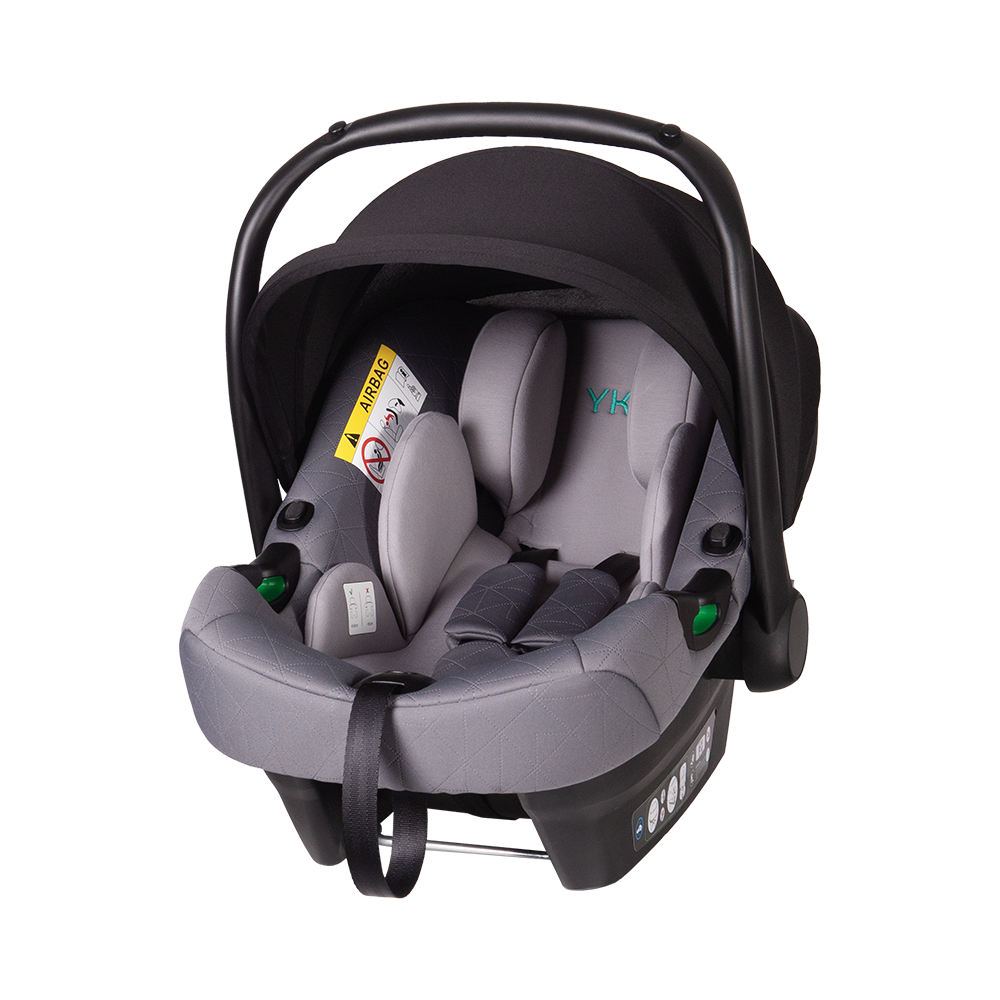
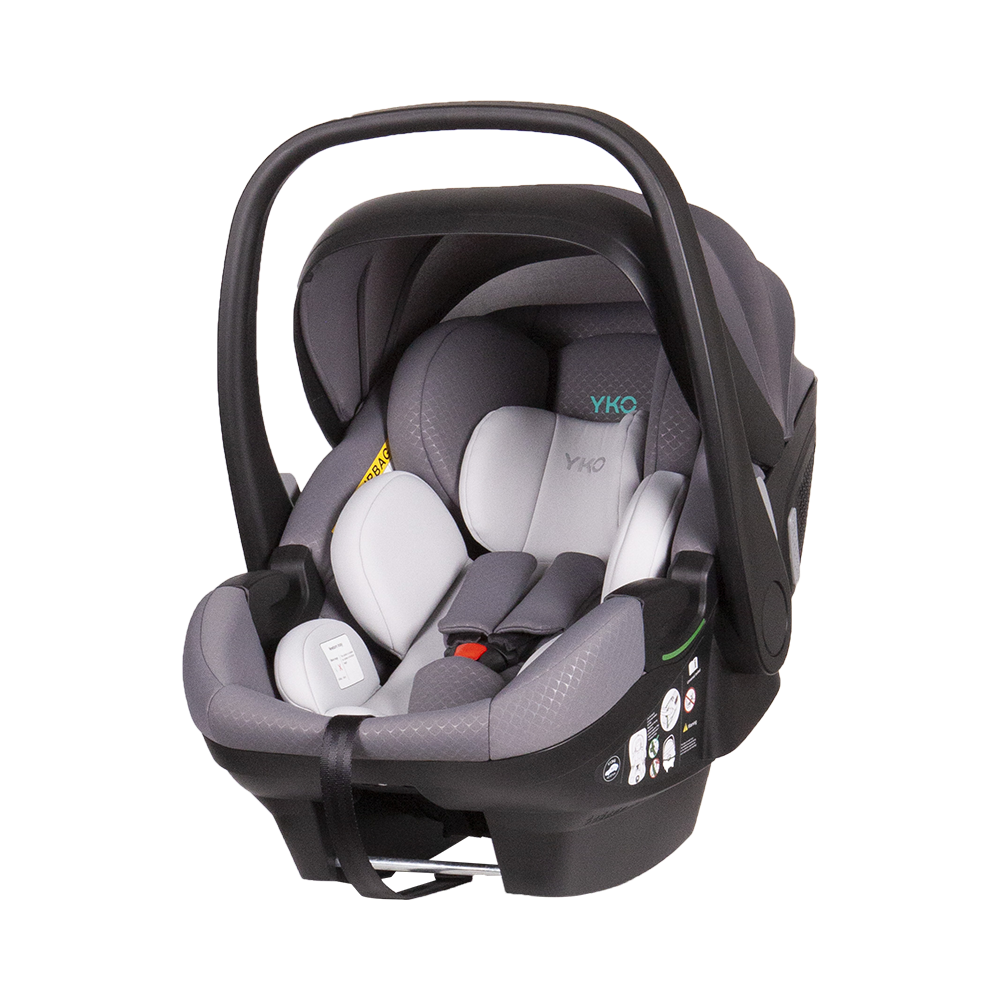
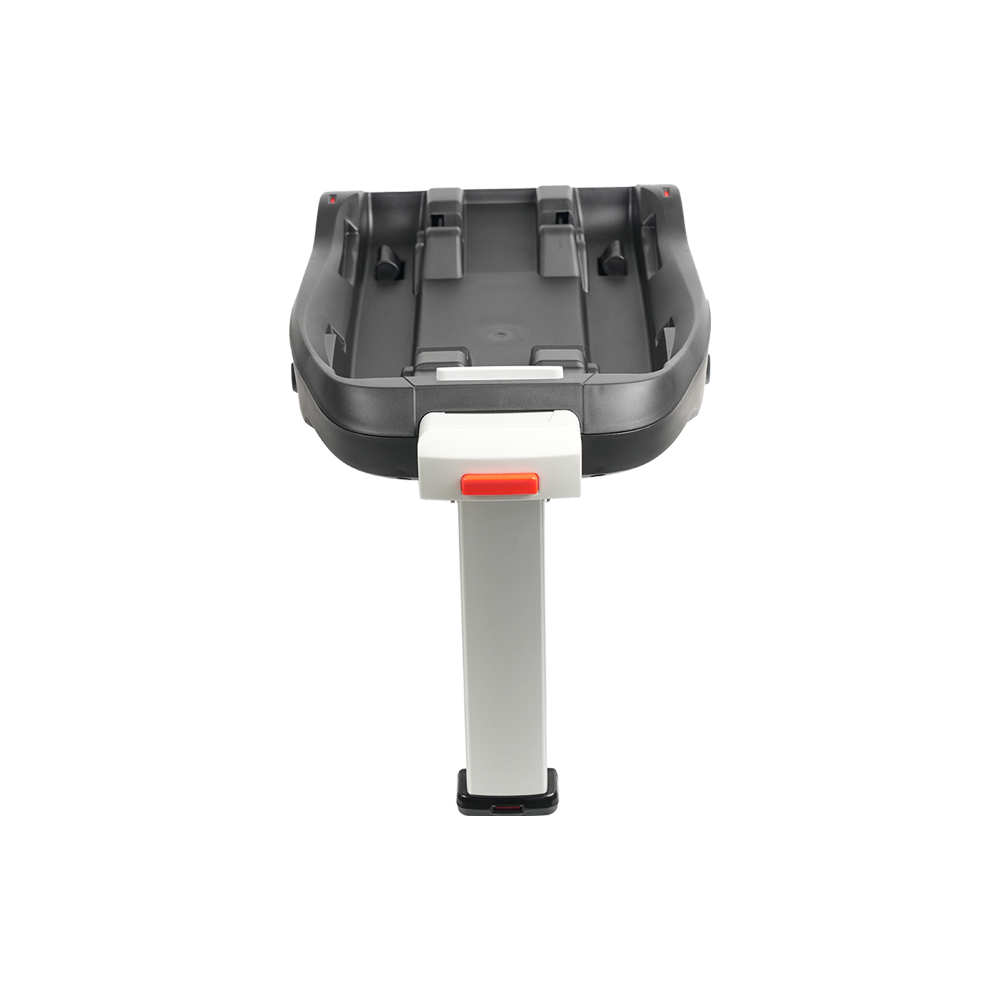
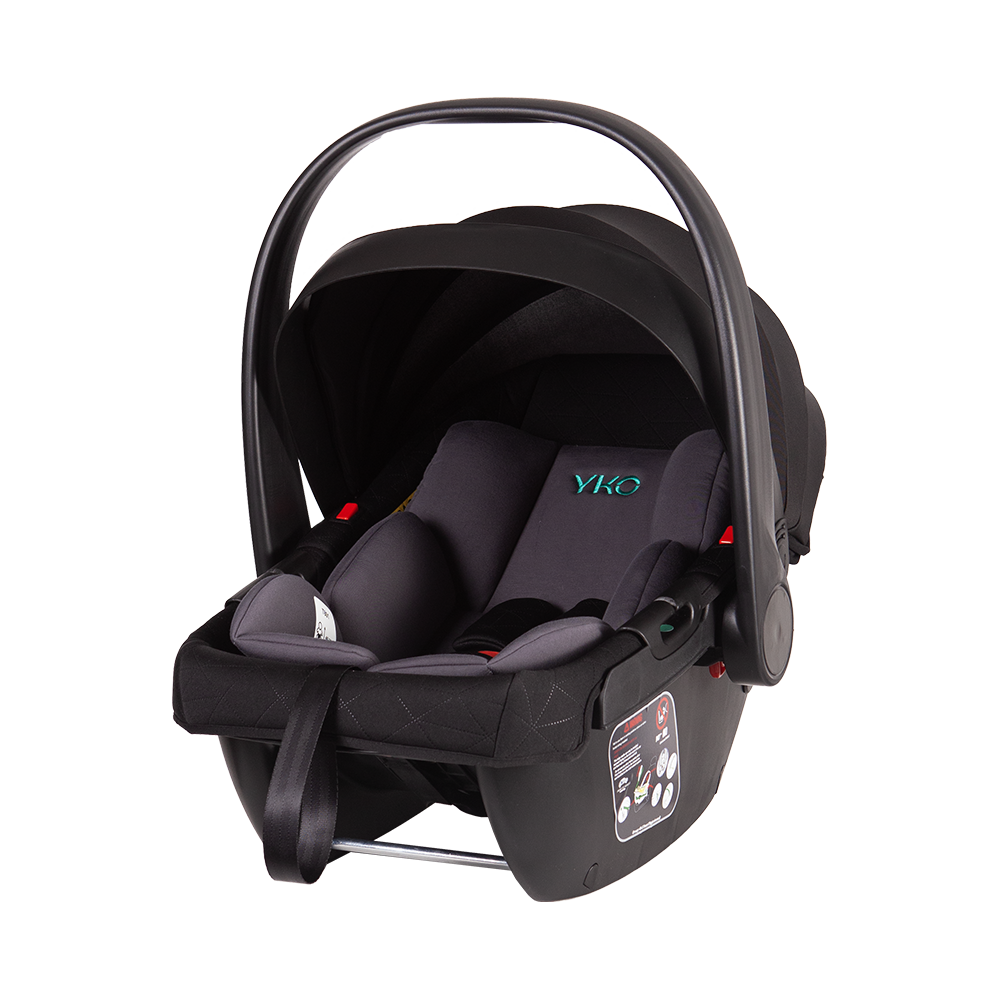
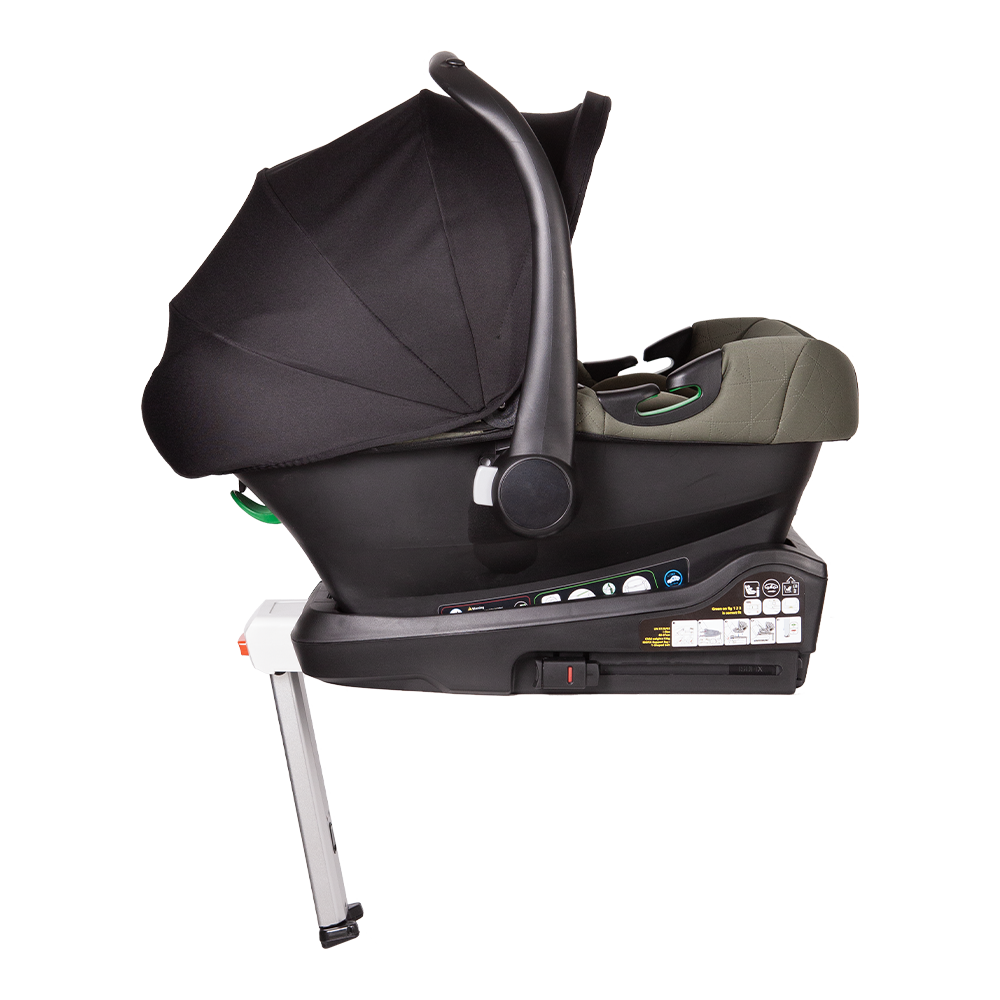 Rearward Facing Infant Car Seat for i-Size ComplianceThis rear-facing infant seat meets ECE R129 for children 40–85 cm, aligning with height-based regulations. Its adjustable headrest and stroller compatibility make it a practical choice for families adapting to new UN R129 rules.View Product →
A separate development, UN R170, now applies type-approval requirements to child restraint systems used in M2 and M3 buses and coaches. Covering children from 40 to 150 cm, it closes a gap left by R44 and R129, and it creates a new sales channel for suppliers who can document restraints for coach seating.
In Southeast Asia, Vietnam's QCVN 123:2024/BGTVT became mandatory on January 1, 2026, with penalties of 800,000 to 1,000,000 VND for violations. Enforcement has been phased in: Decree 238 introduces warning-level roadside penalties from August 15, 2026, and the debate over ride-hailing vehicles shows a market still deciding how far to push.
| Standard | Primary market | Status | Most consequential design requirement |
|---|---|---|---|
| GB 27887-2024 | China | Exclusive basis for new market entry since July 2026 | Side-impact testing, Q dummies, height-based groups, rear-facing under 15 months |
| UN R129 (i-Size) | ECE member markets | In force | Rear-facing under 15 months, 83 cm rear-facing capacity, mandatory side-impact test |
| UN R170 | EU buses and coaches (M2/M3) | Applied from around January 2026 | Type approval for restraints used by children 40-150 cm in coach seating |
| QCVN 123:2024/BGTVT | Vietnam | Mandatory since January 2026; roadside enforcement since August 2026 | Approved restraint required for children under 10 and under 1.35 m |
Recent Recalls Read Like a Factory Audit Manual
If you read the recalls announced over the past year as a quality manual, three failure modes stand out. All three appeared in mainstream products sold in North America, and all three are verifiable during a factory audit.
The first is a missing top tether strap. One US recall covered more than 64,000 convertible seats because some units left production without the strap that anchors the top of the seat to the vehicle. Without it, the seat rotates too far forward in a frontal crash and raises head-injury risk. The cause was an assembly-line omission, not a design flaw, which makes it a process-control problem that batch inspection can catch.
The second is a recline mechanism defect. Nearly 75,000 convertible seats were recalled because, in a rear-facing crash, the recline mechanism could slide from one angle to another, changing the seat's protective geometry mid-impact. Recline locks look simple, but they depend on tight tolerance in the locking teeth, spring force, and the structural bracket that carries the load.
The third is an adapter latch failure. About 3,840 adapters in the United States and 148 in Canada were recalled because the adapter did not reliably engage with the spring pins on a stroller frame, allowing an infant seat to tip forward and fall. The relevant test is not a one-time static pull; it is repeated engagement and retention cycling under realistic use.
| Recall pattern | Failure observed | Inspection point on the line |
|---|---|---|
| Missing top tether strap | Seat top anchorage absent on shipped units | Verify tether presence, routing, and hook pull strength on every batch |
| Recline mechanism slippage | Seat angle shifted under rear-facing crash load | Cycle-test the recline lock and simulate load transfer on the rear-facing configuration |
| Adapter latch release | Spring pins failed to engage with the stroller frame | Fit-check adapters against reference frames; measure click-in engagement and pull-out force |
For buyers, the lesson is concrete: ask the supplier for batch records behind these three checkpoints, not only for a type-approval certificate.
Evaluating Supplier Capability Beyond the Certificate
Certificates prove that one design performed well in a specific laboratory configuration. They do not prove that every production unit repeats that performance, nor that a factory can respond when a regulation changes. Quality evaluation should therefore focus on three layers.
Test ownership comes first. Ask whether the supplier operates its own Q-series dummy fleet and side-impact sled, or at least has stable access to them. A manufacturer that tests during development, rather than only at final certification, can catch a head-injury limit problem while the mould is still open. That speed matters when a national standard changes.
Change control and traceability come second. GB 27887-2024 and R129 put pressure on every component: harness buckles, webbing, foam density, ISOFIX connectors. If a component changes, is the change documented and retested? Can the factory trace a shell part back to its production date and material lot? Without batch traceability, a single quality incident becomes a market-wide problem.
Engineering depth comes third. A supplier that offers ODM services can adapt a certified base platform to several standards at once, which shortens the time between a regulation change and a marketable product. Design adaptation, prototype building, and market analysis are what turn compliance from a cost into an advantage.
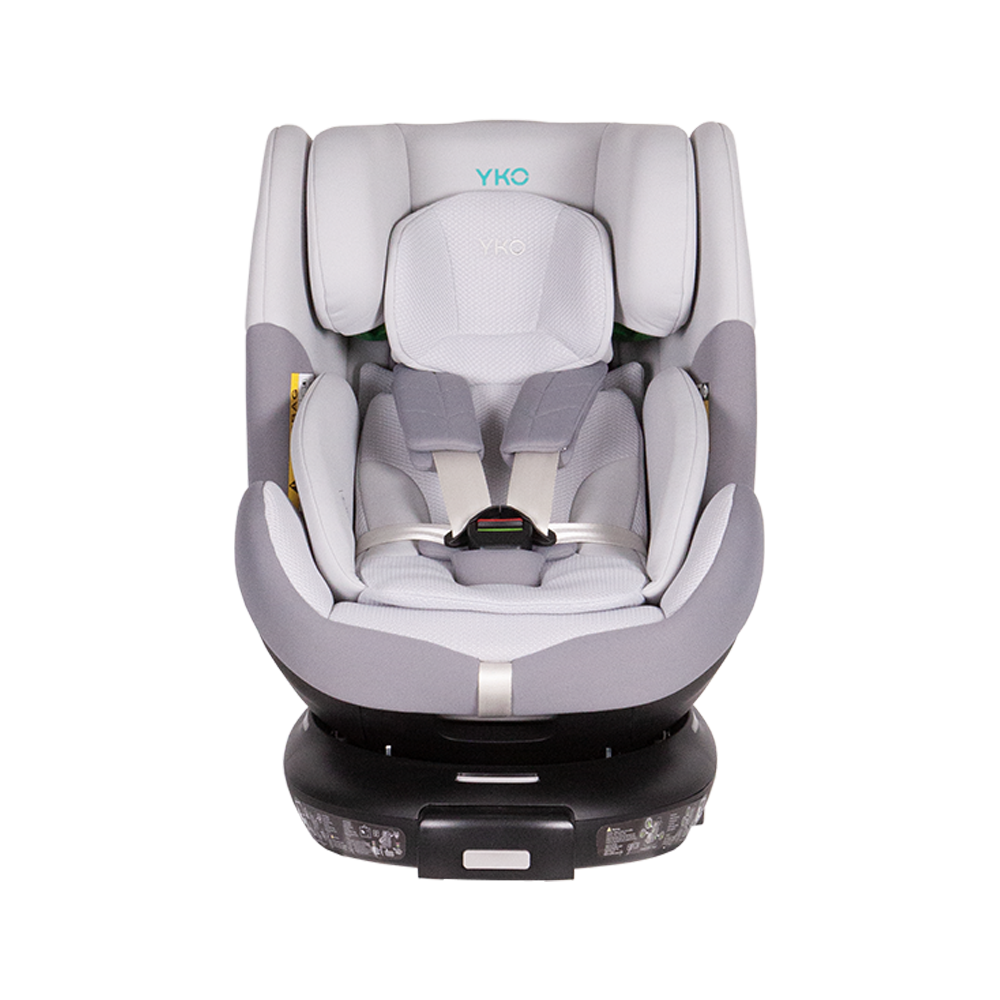
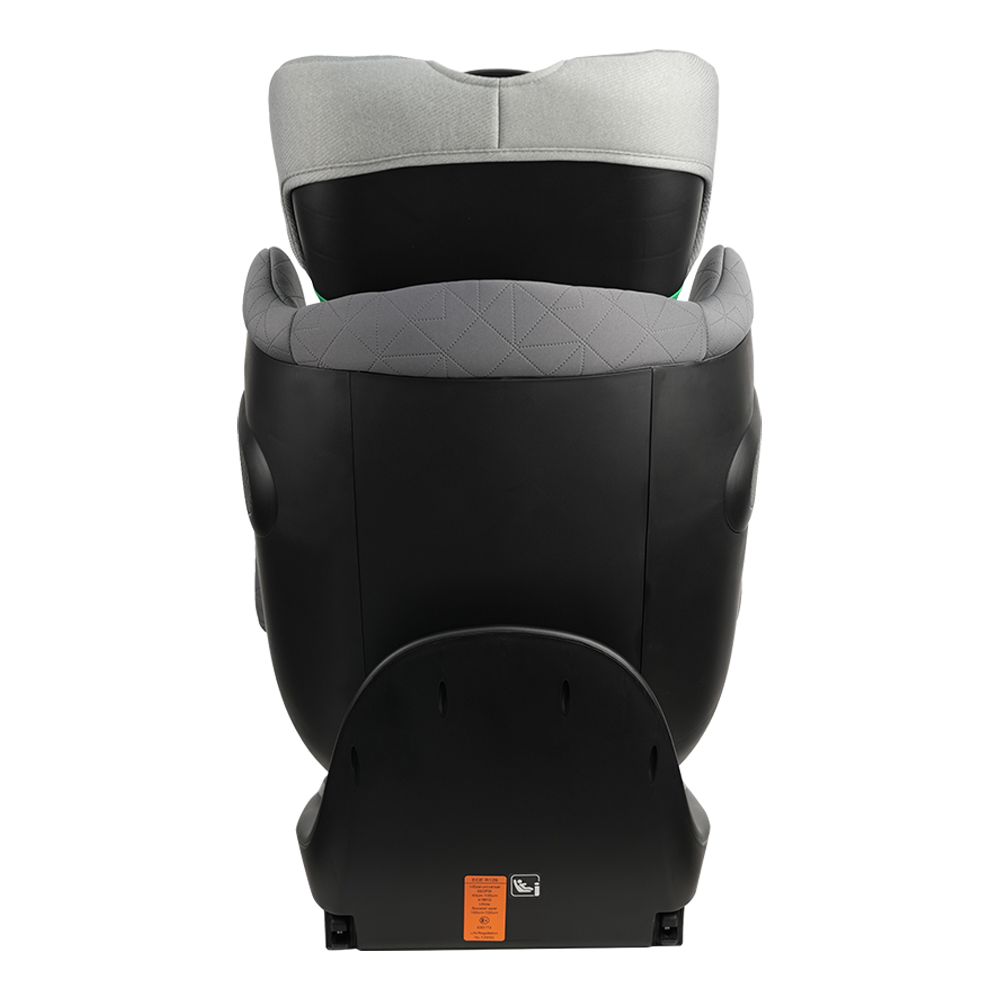 Convertible Toddler Car Seat with 360 Rotation and ISOFIXDesigned for children 40–135 cm, this convertible seat offers 360-degree rotation, one-click ISOFIX, and a retractable support leg. It supports extended rear-facing use, matching the latest height-based safety standards for growing toddlers.View Product →
Sourcing Implications for 2026 and Beyond
These regulatory shifts change sourcing decisions in four concrete ways.
SKU planning must follow height, not weight. Because children under 15 months must ride rear-facing, convertible seats with generous rear-facing height capacity will grow as a share of the mix. Distributors should reorganize displays and staff training around height charts, and confirm that the label on each unit matches the standard in force in the destination country.
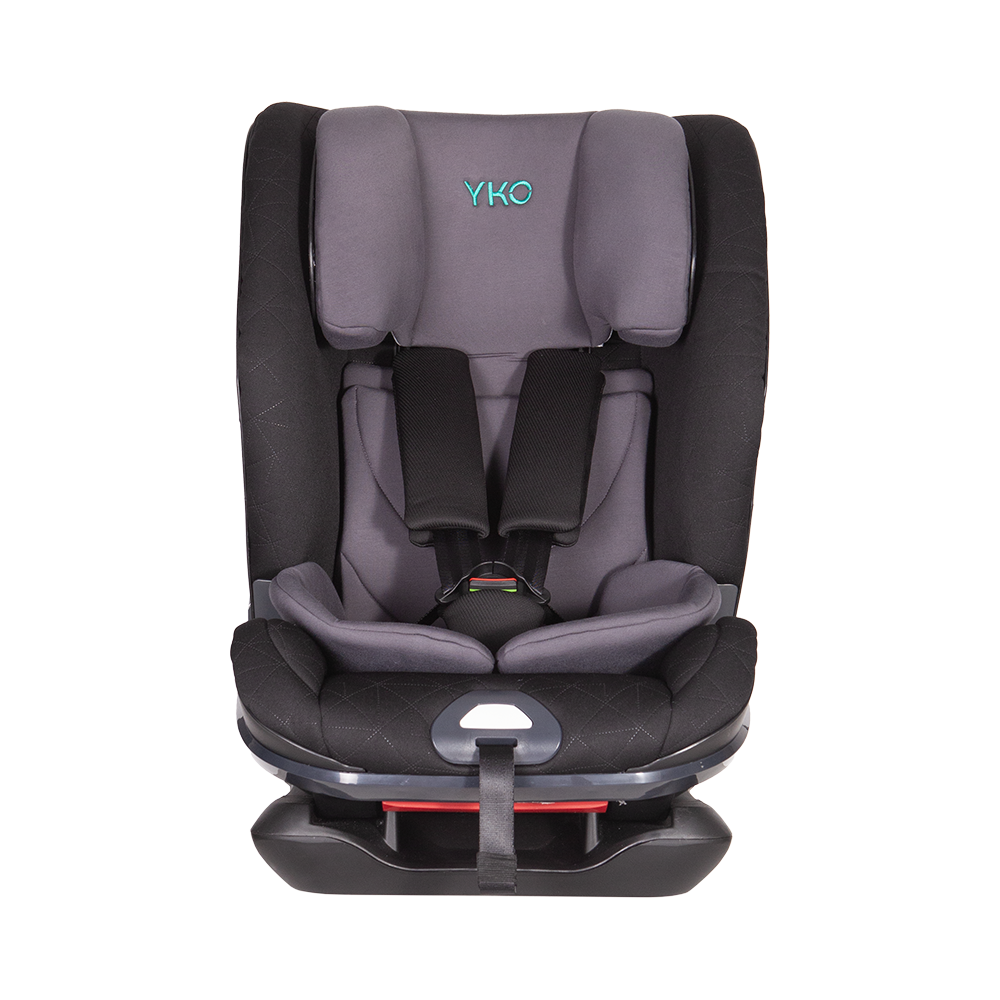
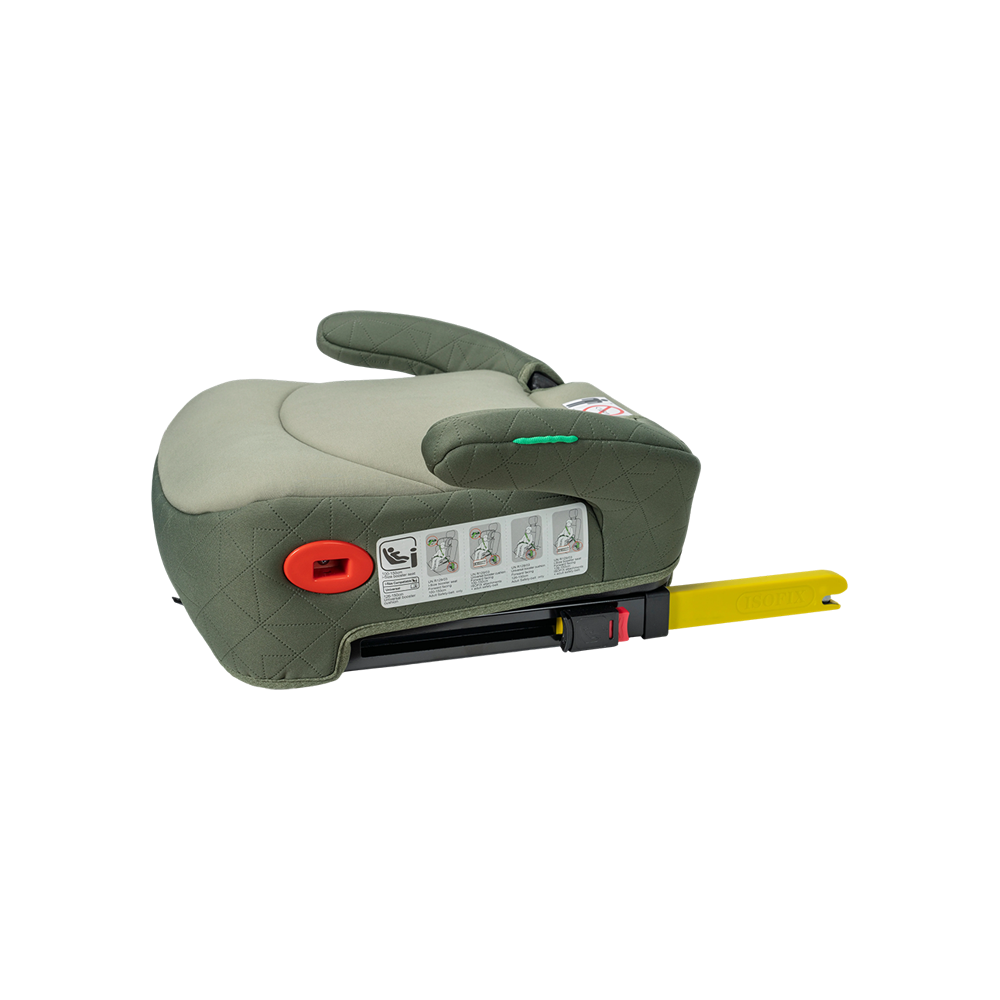 High-Back Booster Car Seat for Children 100–150 cmThis ECE R129-approved high-back booster fits children 100–150 cm using the vehicle's three-point belt. A detachable backrest and adjustable headrest simplify size adaptation, making it a versatile option for older kids under new height-based regulations.View Product →
Market entry in Southeast Asia is accelerating. Vietnam's enforcement timeline gives importers a clear schedule for bringing compliant inventory into the country. The same forces are visible across the region as urbanization and car ownership rise, so documentation aligned with QCVN 123 is becoming a practical entry requirement.
Product trends favor lightweight, modular, and smart designs. Ventilation and temperature control are moving from premium options toward mainstream expectations, and parents increasingly pay for measurable safety performance. Suppliers that integrate these features without adding weight are the ones to prioritize.
Inventory risk must be managed in the contract. Old-standard stock loses value quickly once market surveillance begins. Purchase agreements should require current certificate numbers, production-date marks on each unit, and a clause that makes the supplier responsible for non-conforming units.
- Confirm the standard printed on the seat label matches the destination regulation.
- Require batch records for tether assembly, recline locks, and adapter fit.
- Verify that the certificate covers the specific model and the production site.
- Lock compliance clauses into the contract so non-conforming stock is returnable.
The direction of global regulation is now clear: side-impact protection, rear-facing travel for the youngest children, height-based sizing, and traceable production quality. The same direction appears in China, Europe, and increasingly Southeast Asia. For brands and importers, that convergence is an opportunity. A supplier with certified platforms, disciplined factory checks, and ODM flexibility can turn compliance from a burden into a faster route to new markets.